
Essential Guide to Chemical Anchor Bolt Sizes for Secure Fastening
Understanding Chemical Anchor Bolt Sizes for Optimal Performance
Chemical anchor bolts are essential for secure fastening in concrete and other masonry materials, offering superior hold compared to traditional mechanical anchors. Choosing the right chemical anchor bolt sizes is crucial for ensuring the integrity and longevity of any construction project. This article will guide you through the various sizes available, factors to consider when selecting the appropriate size, and the benefits of using chemical anchors. We'll explore the importance of accurate calculations and understanding load requirements to ensure a safe and reliable installation.
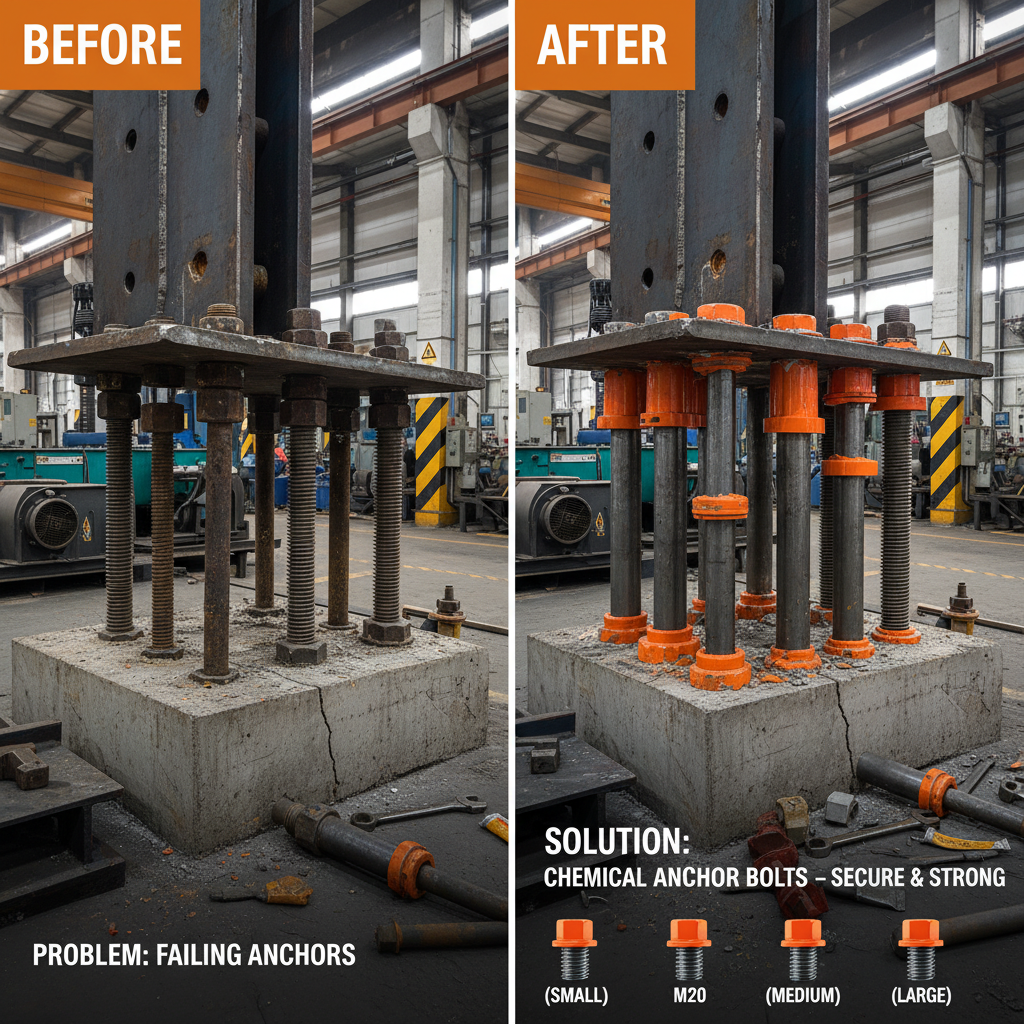
The Importance of Correct Sizing
Selecting the correct chemical anchor bolt size isn't merely about finding a bolt that fits the hole; it’s about ensuring sufficient load capacity and preventing premature failure. Undersized bolts can be ripped out under stress, compromising structural integrity. Oversized bolts may overstress the concrete, leading to cracking and weakening. Factors like the type of concrete, the depth of the embedment, and the applied load all influence the ideal size. Proper sizing guarantees a secure and lasting connection, minimizing risks and maximizing the investment in your project. It's critical to consult with a structural engineer or experienced fastener specialist to determine the appropriate size for your specific application.
Key Considerations: Concrete type, embedment depth, applied load, and project-specific requirements all play a vital role in determining the optimal chemical anchor bolt size.
Common Chemical Anchor Bolt Sizes
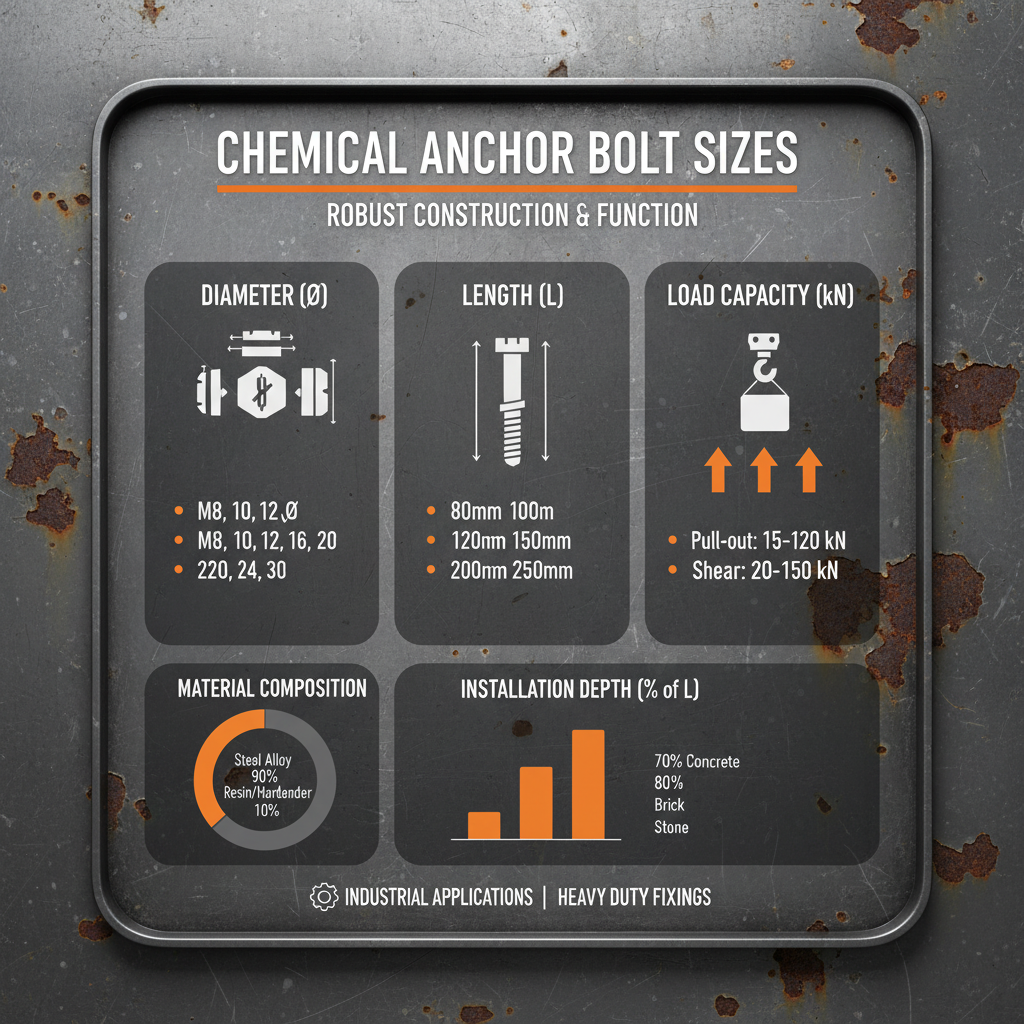
Chemical anchor bolts come in a variety of diameters and lengths to accommodate diverse applications. Common sizes include M8, M10, M12, M16, M20, and M24. The diameter refers to the bolt's thickness, while the length determines its embedment depth. Different lengths are available within each diameter to suit varying concrete thicknesses and load requirements. Understanding the typical applications for each size is crucial for making the right selection. For example, M8 and M10 bolts are often used for lighter-duty applications, while M16, M20 and M24 are typically reserved for heavier loads and critical structural connections. For more details and specific options, explore HBXZ Fastener's range of chemical anchor bolts.
Size Guide:
• M8: Light-duty applications, securing fixtures
• M10: Medium-duty applications, handrails, brackets
• M12: General structural applications
• M16, M20, M24: Heavy-duty applications, structural steel connections
Chemical Anchor Bolt Sizes Comparison
Choosing the right size also involves understanding the load-bearing capacity of each option. The following table provides a comparative overview of common sizes and their approximate tensile strength. Note that these values can vary based on the specific chemical adhesive used and the concrete's quality. Always consult product datasheets and conduct proper calculations for your application. The tensile strength is a critical factor in determining whether a bolt can withstand the forces applied to it.
Factors Influencing Size Selection
Several factors influence the selection of appropriate chemical anchor bolt sizes. These include the load type (static or dynamic), the concrete's compressive strength, and the presence of any cracks or voids. Dynamic loads, like those from machinery, require larger safety factors and therefore larger bolt sizes. Lower concrete strength necessitates larger embedment depths and potentially larger diameters. Proper surface preparation of the hole is also crucial for ensuring a strong bond between the adhesive and the concrete. HBXZ Fastener provides expert guidance on selecting the optimal chemical anchor solution for your project.
Technical Specifications and Standards Compliance
Chemical anchor bolts must adhere to relevant industry standards, such as ICC-ES and EOTA guidelines. These standards define testing procedures and performance requirements to ensure safety and reliability. Always verify that the chemical anchor system you choose is certified and approved for your specific application. Understanding these standards is essential for ensuring compliance and minimizing the risk of failure. Using non-compliant products can lead to catastrophic consequences. HBXZ Fastener offers products that meet and exceed industry standards.
Conclusion: Choosing the Right Chemical Anchor Bolt Size
Selecting the appropriate chemical anchor bolt sizes is paramount for ensuring the safety and longevity of any construction project. Careful consideration of load requirements, concrete conditions, and industry standards is essential. By partnering with a reputable supplier like HBXZ Fastener and consulting with a structural engineer, you can confidently choose the optimal solution for your specific needs. Investing in the right fasteners protects your investment and ensures peace of mind.
Frequently Asked Questions (FAQs)
What is the minimum embedment depth for chemical anchor bolts?
The minimum embedment depth depends on the bolt diameter, the concrete's compressive strength, and the applied load. Generally, embedment depths range from 5 to 10 times the bolt diameter. However, it's crucial to consult the manufacturer's specifications and relevant building codes for precise requirements. Insufficient embedment depth can significantly reduce the anchor's load capacity and compromise its performance. Accurate calculations based on project-specific factors are vital.
Can chemical anchor bolts be used in cracked concrete?
Yes, certain chemical anchor systems are specifically designed for use in cracked concrete. These systems typically require a higher-performance adhesive and may have specific installation requirements. It's essential to choose a system that is approved for cracked concrete applications and follow the manufacturer's instructions carefully. Using a standard chemical anchor in cracked concrete can lead to premature failure and structural instability.
What is the difference between static and dynamic loads?
Static loads are constant and unchanging forces, like the weight of a structure or fixed equipment. Dynamic loads are variable and fluctuating forces, such as those caused by wind, vibrations, or moving machinery. Chemical anchor bolt sizing must account for the type of load being applied. Dynamic loads require larger safety factors and potentially larger bolts to withstand the varying stresses. A thorough load analysis is crucial for selecting the appropriate anchor system.
-
Guide to High Quality Stainless Steel Expansion FastenersNewsApr.16,2026
-
Plastic Expanding Nut Guide for Applications and BenefitsNewsApr.16,2026
-
High Efficiency Fastening Guide for Plastic Expansion RivetsNewsApr.16,2026
-
Ultimate Guide to Industrial Sheet Metal Expansion AnchorsNewsApr.16,2026
-
Guide to Choosing and Installing the Right Metal Expansion ScrewNewsApr.16,2026
-
Metal Expansion Nut Guide for Industrial Strength and StabilityNewsApr.16,2026