
Comprehensive Guide to Chemical Anchor Fastener Price and Selection
Chemical Anchor Fastener Price: A Comprehensive Guide
Understanding the pricing of chemical anchor fasteners is crucial for project budgeting and ensuring structural integrity. This article dives into the factors influencing chemical anchor fastener price, explores different types, and provides a realistic price range. We’ll also cover where to source quality fasteners at competitive rates. Ensuring the correct anchor for your application, and getting a fair price, is paramount for a successful and safe project.
Factors Influencing Chemical Anchor Fastener Price
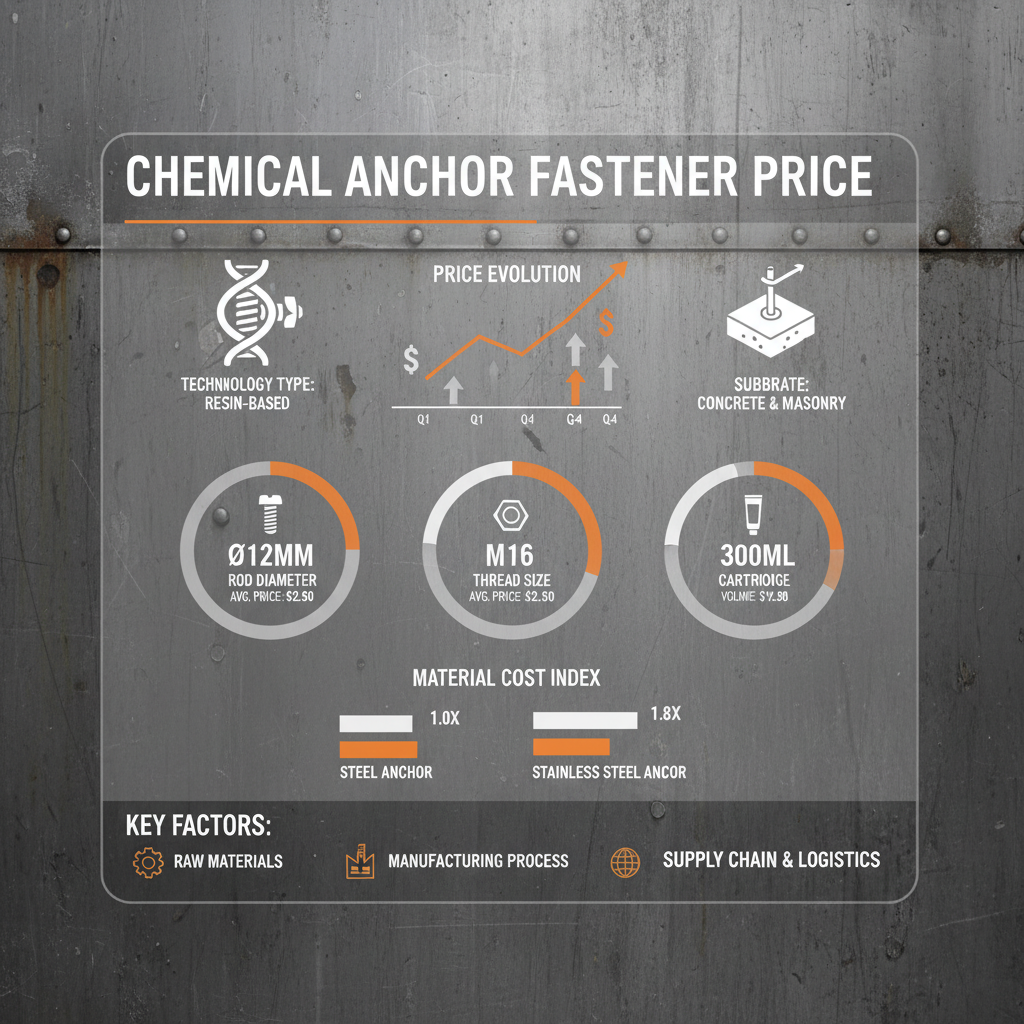
Several key factors contribute to the chemical anchor fastener price. These include the material of construction (stainless steel, galvanized steel, etc.), the diameter and length of the fastener, the type of resin used in the anchor, and the quantity purchased. Larger diameters and longer lengths naturally command higher prices. Furthermore, premium resins offering superior bonding strength will increase the cost. Supply and demand, manufacturer reputation, and geographical location also play a role. Finally, the level of certification and testing the fastener undergoes (e.g., ETA approval) can impact its price.
Key Price Drivers: Material, Diameter, Length, Resin Type, Quantity, Certifications.
Types of Chemical Anchors and Their Price Ranges
Different types of chemical anchors exist, each suited for specific applications and carrying different price tags. Epoxy anchors are known for their high strength and excellent performance in cracked concrete, making them typically more expensive. Vinylester anchors offer good chemical resistance and are often a more cost-effective alternative. Polyester anchors are the least expensive option but have lower strength and resistance to certain chemicals. Hybrid systems, combining different resin types, are also available to optimize performance and cost.
Comparing Chemical Anchors to Traditional Mechanical Anchors
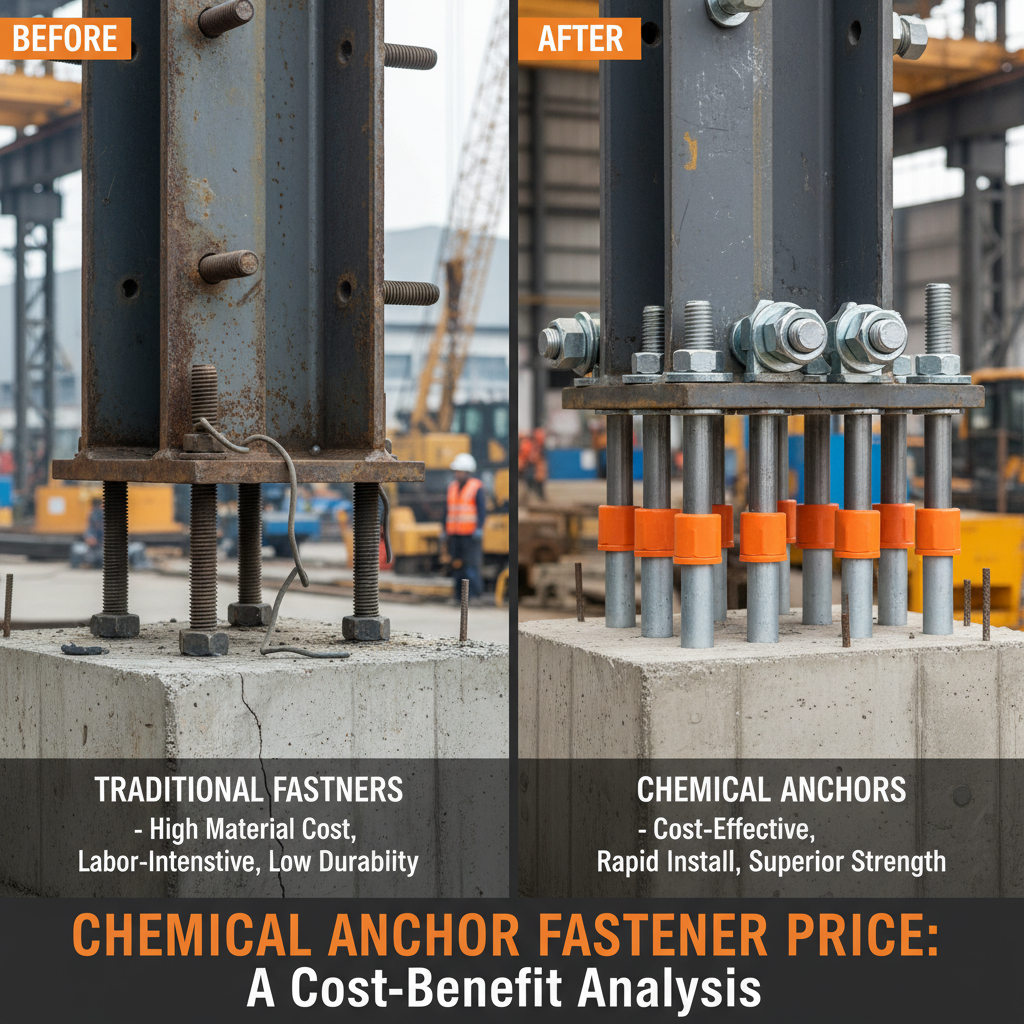
Compared to traditional mechanical anchors (wedge anchors, sleeve anchors), chemical anchors often offer superior performance in cracked concrete and provide higher load-bearing capacities. While mechanical anchors are generally cheaper upfront, the total cost – considering installation time and potential long-term maintenance – can sometimes exceed that of chemical anchors. Chemical anchors distribute stress more evenly throughout the concrete, reducing the risk of concrete spalling. However, they require proper installation to ensure optimal performance, including thorough cleaning of the borehole.
Where to Buy Chemical Anchor Fasteners at Competitive Prices
Sourcing from reputable suppliers is vital to ensure you receive high-quality chemical anchor fasteners at competitive prices. Directly contacting manufacturers like HBXZ Fastener can often yield significant cost savings, especially for large-volume orders. Online marketplaces and local distributors are also options, but verifying the supplier's credentials and product certifications is crucial. Look for suppliers offering ETA-approved anchors to guarantee compliance with European safety standards.
Maximizing Value: Tips for Reducing Chemical Anchor Costs
Several strategies can help reduce the overall cost of your chemical anchor project. Accurate load calculations are essential to avoid over-specifying fasteners. Choosing the appropriate anchor type for the specific application can prevent unnecessary expense. Negotiating bulk discounts with suppliers can significantly lower per-unit costs. Finally, proper installation techniques minimize the risk of failure and costly rework. Always prioritize quality and safety over the lowest possible price.
Conclusion: Selecting the Right Chemical Anchor for Your Budget
Choosing the right chemical anchor involves balancing performance, safety, and cost. Understanding the factors influencing price, comparing different types, and sourcing from reputable suppliers are essential steps. By considering your specific application requirements and following best practices, you can ensure a secure and cost-effective installation. HBXZ Fastener is a trusted partner for all your chemical anchoring needs.
Frequently Asked Questions (FAQs)
What is the minimum shelf life of chemical anchor resin?
The minimum shelf life of chemical anchor resin typically ranges from 12 to 24 months, depending on the specific product and storage conditions. It's crucial to check the expiration date printed on the packaging before use. Using expired resin can significantly reduce its bonding strength and compromise the integrity of the anchor. Store the resin in a cool, dry place, away from direct sunlight and extreme temperatures, to maximize its shelf life. Always follow the manufacturer's storage recommendations.
What borehole cleaning procedures are necessary before installing a chemical anchor?
Proper borehole cleaning is paramount for optimal chemical anchor performance. First, remove dust and debris using compressed air. Then, brush the borehole walls thoroughly to remove loose particles. For deeper holes, use a specialized borehole brush attached to a drill. Finally, thoroughly clean the borehole with a wire brush and compressed air immediately before inserting the anchor. Avoiding contamination with water or oil is crucial. Following these steps ensures a clean surface for the resin to bond to effectively.
How does temperature affect the curing time of chemical anchor resin?
Temperature significantly impacts the curing time of chemical anchor resin. Lower temperatures slow down the curing process, while higher temperatures accelerate it. Most resins have an optimal temperature range specified by the manufacturer (typically between 5°C and 30°C). Below the minimum temperature, the resin may not cure properly, leading to reduced strength. Above the maximum temperature, the resin may cure too quickly, causing bubbling or reduced adhesion. Always refer to the manufacturer's data sheet for specific curing times at different temperatures.
Can chemical anchors be used in wet concrete?
Generally, chemical anchors are not recommended for use in wet concrete. The presence of water can significantly weaken the bond between the resin and the concrete. While some specialized epoxy formulations are designed for damp concrete conditions, they require specific application procedures and are typically more expensive. It’s best to ensure the borehole is dry before installing a chemical anchor. If you must install in a damp environment, consult with the anchor manufacturer to determine if a suitable product is available and follow their instructions carefully.
-
Guide to High Quality Stainless Steel Expansion FastenersNewsApr.16,2026
-
Plastic Expanding Nut Guide for Applications and BenefitsNewsApr.16,2026
-
High Efficiency Fastening Guide for Plastic Expansion RivetsNewsApr.16,2026
-
Ultimate Guide to Industrial Sheet Metal Expansion AnchorsNewsApr.16,2026
-
Guide to Choosing and Installing the Right Metal Expansion ScrewNewsApr.16,2026
-
Metal Expansion Nut Guide for Industrial Strength and StabilityNewsApr.16,2026