
Comprehensive Guide to Chemical Bolt Specification and Selection
Chemical Bolt Specification: A Comprehensive Guide
Understanding chemical bolt specifications is crucial for ensuring the integrity and longevity of structures and equipment in corrosive environments. These specialized fasteners are designed to resist degradation from harsh chemicals, making them essential in industries like oil and gas, water treatment, and chemical processing. This article will delve into the key considerations when selecting chemical bolts, covering materials, coatings, standards, and applications. Proper specification is vital for preventing costly failures and maintaining safety.
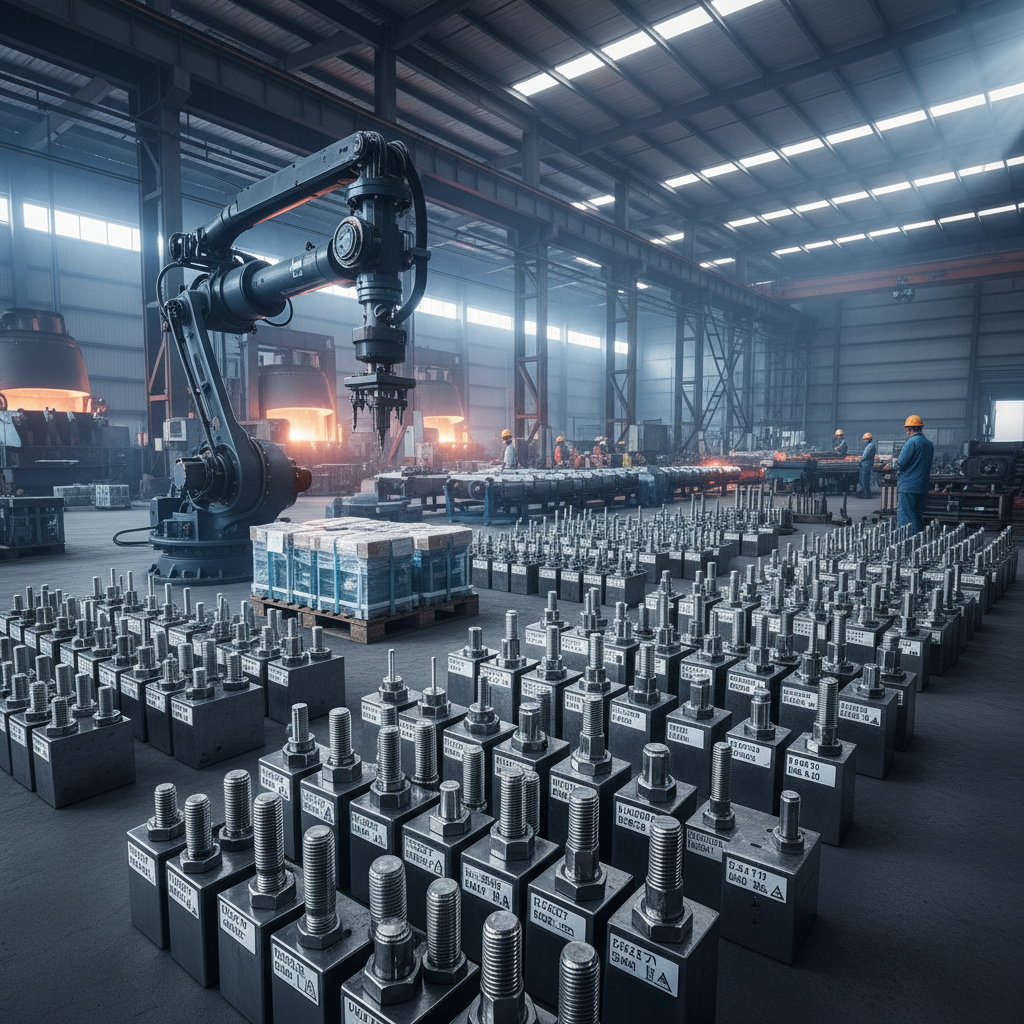
Key Materials Used in Chemical Bolt Manufacturing
The choice of material is paramount when specifying chemical bolts. Common materials include stainless steels (like 316, A4, and duplex stainless steels), high-alloy steels, and specialized nickel alloys. Each material offers different levels of resistance to various chemicals. For instance, 316 stainless steel is widely used for its excellent corrosion resistance in many environments, while duplex stainless steels provide even greater resistance to chloride stress corrosion cracking. Nickel alloys, such as Alloy 20 and Inconel, offer superior performance in extremely corrosive conditions, but at a higher cost. Understanding the specific chemical exposure is crucial in selecting the appropriate material.
Key Material Considerations: The choice of material is the most important factor to consider when working in a chemically corrosive environment.
Understanding Bolt Coatings for Enhanced Chemical Resistance
While material selection is crucial, coatings can further enhance the chemical resistance of bolts. Common coatings include PTFE (Teflon), ceramic coatings, and specialized polymers. PTFE coatings provide excellent resistance to a wide range of chemicals, while ceramic coatings offer superior protection in high-temperature and abrasive environments. The coating process and its adherence to the bolt surface are critical for ensuring long-term effectiveness. Incorrectly applied coatings can actually create pathways for corrosion. Visit HBXZ Fastener to learn more about coating options.
Coating Benefits:
• Enhances corrosion resistance
• Provides protection against specific chemicals
• Extends the lifespan of the bolt
• Improves performance in harsh environments
Chemical Bolt Specification: Comparing Common Materials
Choosing the right material for your application requires a careful comparison of their properties and cost-effectiveness. The following table illustrates a comparison of common materials used in chemical bolts.
Relevant Standards and Specifications
Several standards govern the specification of chemical bolts. ASTM standards (like ASTM A193, ASTM A307, and ASTM A320) define material requirements and mechanical properties. ISO standards, such as ISO 898-1, provide specifications for fasteners. Additionally, specific industries may have their own standards and requirements. Adhering to these standards ensures the quality, reliability, and safety of the fasteners. For specific details on compliance with various standards, contact our experts at HBXZ Fastener.
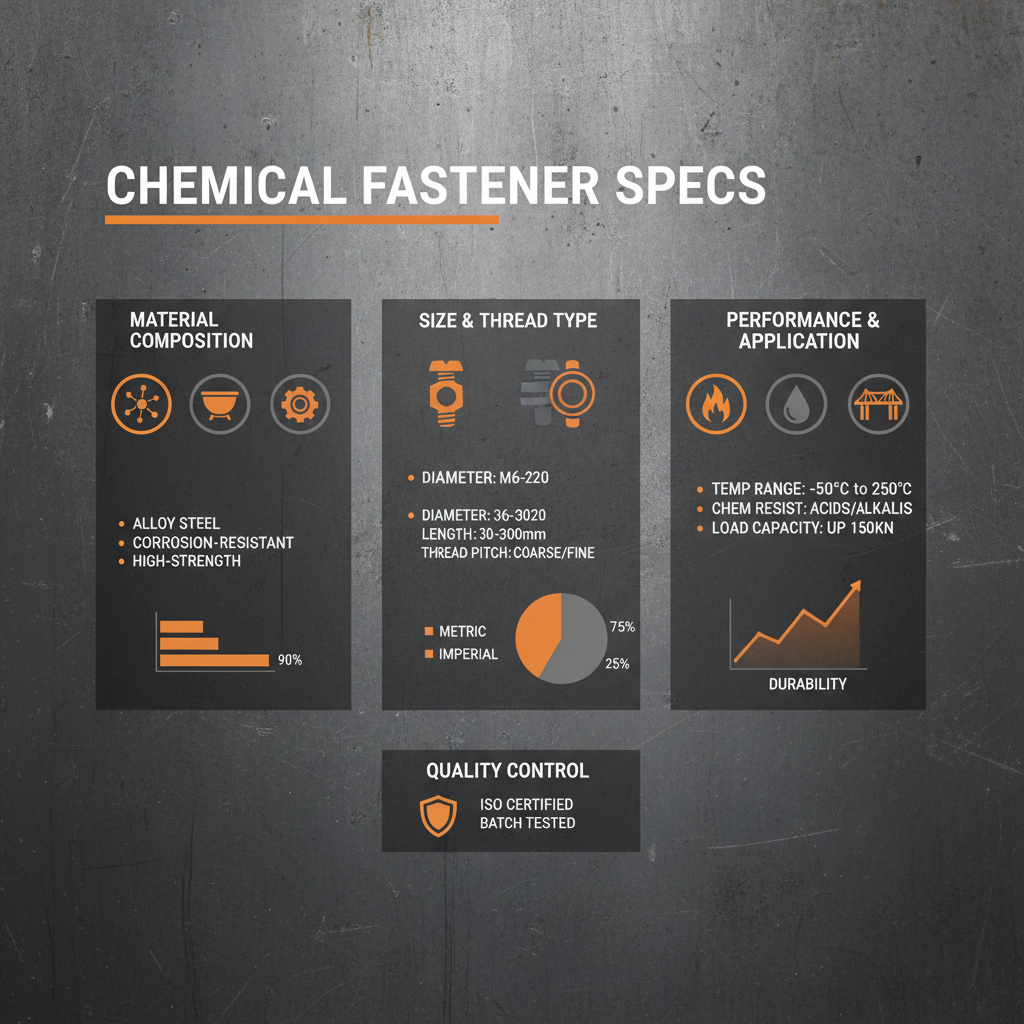
Applications of Chemical Bolts
Chemical bolts find applications in numerous industries. In the oil and gas sector, they are used in offshore platforms, pipelines, and refineries. Water treatment facilities utilize them in pumps, valves, and filtration systems. Chemical processing plants rely on them in reactors, tanks, and piping. Pharmaceutical and food processing industries also employ these bolts to maintain hygiene and prevent contamination. Selecting the appropriate chemical bolt for each specific application is critical for ensuring long-term performance and safety.
Conclusion: Ensuring Reliability with the Right Chemical Bolts
Choosing the correct chemical bolt specifications is vital for the longevity and safety of any application in a corrosive environment. Careful consideration of materials, coatings, standards, and the specific chemical exposure will ensure reliable performance and prevent costly failures. HBXZ Fastener provides high-quality chemical bolts and expert guidance to help you select the best solution for your needs.
Frequently Asked Questions (FAQs)
What is the difference between 316 and duplex stainless steel for chemical bolts?
While both 316 and duplex stainless steel offer excellent corrosion resistance, duplex stainless steel provides superior resistance to chloride stress corrosion cracking, a common issue in marine and chemical processing environments. Duplex stainless steel also boasts higher strength than 316. However, it is generally more expensive and can be more challenging to fabricate. 316 is a good all-around choice for many applications, while duplex is preferred when enhanced resistance to chloride cracking is essential.
How do I determine the specific chemical resistance needed for my application?
The first step is to identify all the chemicals the bolts will be exposed to, including their concentration and temperature. Consult chemical resistance charts for various materials to determine their suitability. It’s also crucial to consider the duration of exposure and any potential synergistic effects of multiple chemicals. If you're unsure, consult with a materials engineer or corrosion expert to ensure you select the appropriate bolt material and coating.
Are there any special considerations for installing chemical bolts?
Yes, proper installation is crucial to maintaining the corrosion resistance of chemical bolts. Avoid using dissimilar metals that can cause galvanic corrosion. Use compatible lubricants and sealants. Ensure the bolts are tightened to the correct torque specifications to prevent loosening and corrosion under the bolt head. Avoid damaging the coating during installation.
What is the role of coatings in preventing corrosion?
Coatings act as a barrier between the bolt material and the corrosive environment, preventing direct contact. They can also provide sacrificial protection, meaning the coating corrodes instead of the bolt material. The effectiveness of a coating depends on its adhesion, thickness, and resistance to the specific chemicals involved. Regular inspection of the coating is essential to ensure it remains intact.
-
Guide to High Quality Stainless Steel Expansion FastenersNewsApr.16,2026
-
Plastic Expanding Nut Guide for Applications and BenefitsNewsApr.16,2026
-
High Efficiency Fastening Guide for Plastic Expansion RivetsNewsApr.16,2026
-
Ultimate Guide to Industrial Sheet Metal Expansion AnchorsNewsApr.16,2026
-
Guide to Choosing and Installing the Right Metal Expansion ScrewNewsApr.16,2026
-
Metal Expansion Nut Guide for Industrial Strength and StabilityNewsApr.16,2026