
Comprehensive Guide to Concrete Shear Studs for Robust Structural Connections
Understanding Concrete Shear Studs: A Comprehensive Guide
Concrete shear studs are crucial components in composite construction, facilitating a strong connection between concrete and steel elements. They are widely used in bridge decks, buildings, and other structures requiring robust load transfer. This article provides a detailed overview of concrete shear studs, covering their function, types, installation, and key considerations for optimal performance. Choosing the right shear studs and ensuring proper installation are vital for structural integrity and safety. Explore the world of shear studs and learn how HBXZ Fastener can provide high-quality solutions for your project.
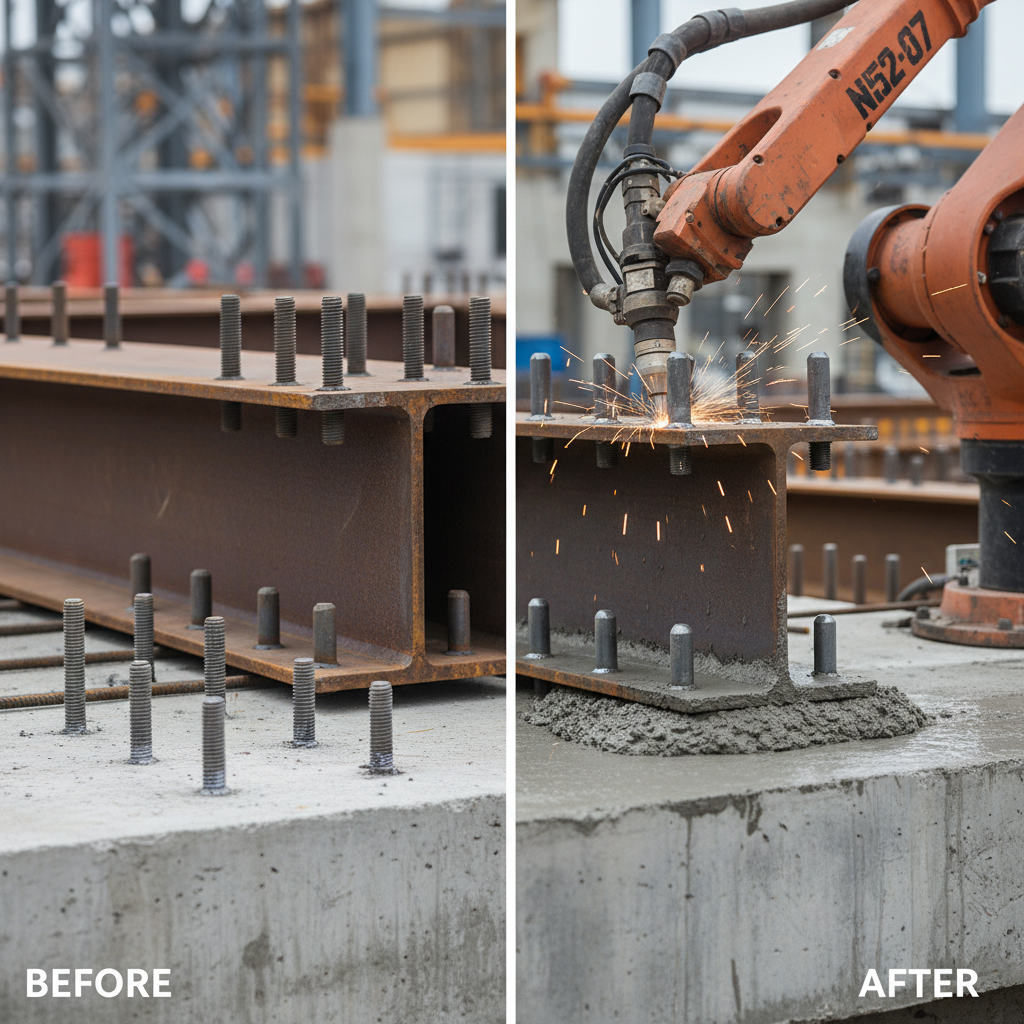
What are Concrete Shear Studs and Why are They Important?
Concrete shear studs, also known as headed studs, are steel fasteners welded onto a steel plate which are then embedded in concrete. Their primary function is to resist shear forces – forces that cause layers of material to slide over each other. In composite construction, they create a mechanical interlock between the concrete slab and the steel beam, allowing them to act as a single unit. This increases the structural capacity, reduces deflection, and improves the overall efficiency of the structure. Without shear studs, the concrete and steel would act independently, significantly limiting the load-carrying capability.
Key Benefit: Shear studs significantly increase the load-carrying capacity and efficiency of composite structures.
Types of Concrete Shear Studs
There are several types of concrete shear studs available, each designed for specific applications and load requirements. The most common types include:
- Welded Shear Studs: These are the most frequently used type, manufactured by welding a headed stud to a steel plate.
- Cast-in-Place Shear Studs: These are embedded directly into the concrete during the pouring process.
- Grouted Shear Connectors: Used when retrofitting or applying shear connection to existing structures.
The choice of shear stud type depends on factors such as the project's design, concrete strength, steel grade, and desired level of connection. HBXZ Fastener offers a comprehensive range of shear studs to meet diverse project needs.
Shear Stud Type Overview:
• Welded: Most common, high strength.
• Cast-in-Place: Integrated during concrete pouring.
• Grouted: For retrofit applications.
Concrete Shear Studs: Specifications and Standards
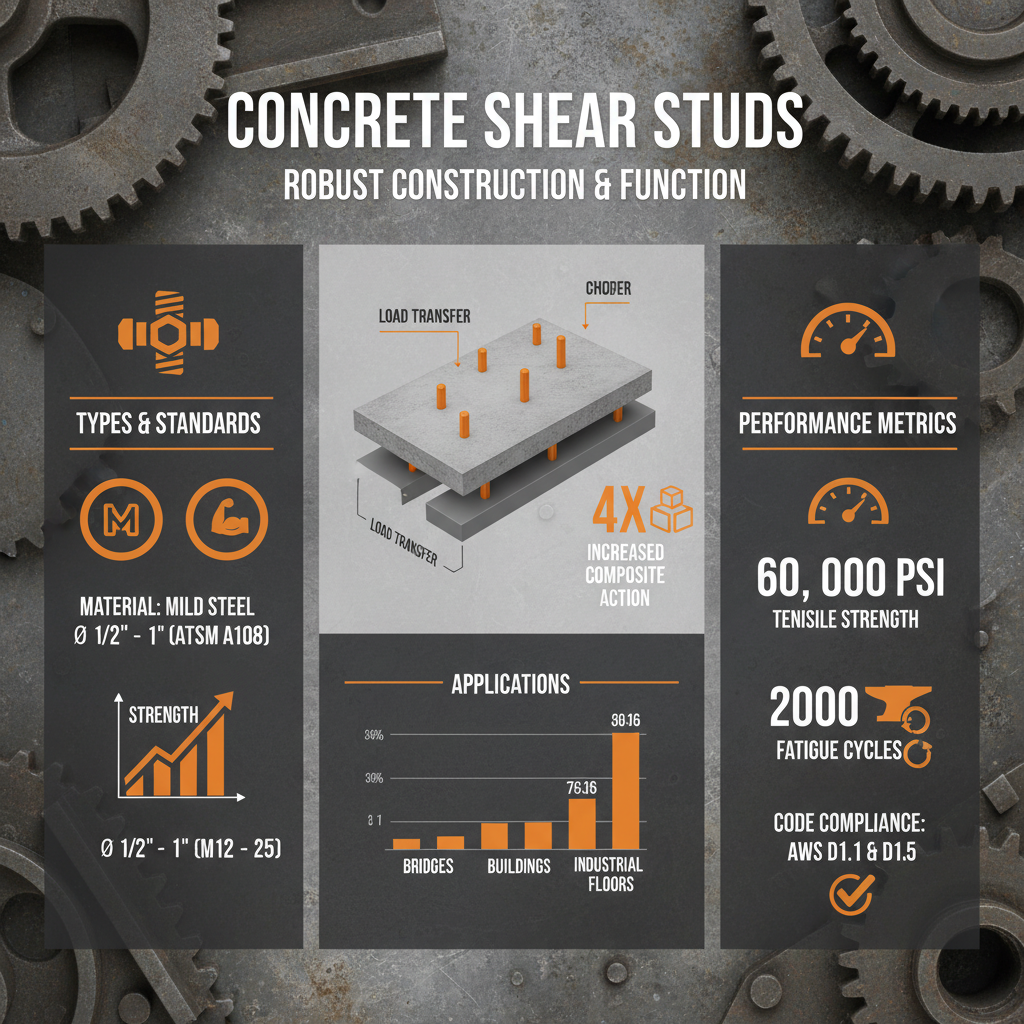
Shear studs are manufactured according to specific standards to ensure consistent quality and performance. Common standards include AWS D1.1 (Structural Welding Code – Steel) and ASTM A108 (Steel Studs and Fabricated Connectors). Here’s a table outlining typical specifications:
Installation Best Practices for Concrete Shear Studs
Proper installation is critical for ensuring the shear studs function effectively. Key considerations include:
- Surface Preparation: The steel plate must be clean and free of rust, mill scale, and other contaminants.
- Welding Technique: Utilize the correct welding procedure (typically flux-cored arc welding) and qualified welders.
- Stud Spacing and Placement: Follow the structural engineer’s specifications for stud spacing and placement.
- Inspection: Thoroughly inspect all welds for defects and ensure adequate penetration.
Improperly installed shear studs can significantly reduce the structural capacity and lead to failure. Partnering with an experienced contractor and utilizing high-quality studs from a reputable supplier, like HBXZ Fastener, is crucial for a successful outcome.
Factors Affecting Shear Stud Performance
Several factors can impact the performance of concrete shear studs. These include concrete strength, steel grade, stud geometry (diameter and height), weld quality, and environmental conditions. Higher concrete strength and steel grade generally result in increased shear capacity. Careful consideration of these factors during design and installation is essential for ensuring long-term structural reliability. HBXZ Fastener can provide expert advice and guidance to help you select the optimal shear studs for your specific application.
Conclusion: Ensuring Structural Integrity with Quality Shear Studs
Concrete shear studs are essential components in modern construction, providing a crucial connection between concrete and steel. Selecting high-quality studs from a reliable supplier like HBXZ Fastener, coupled with proper installation techniques, is vital for ensuring the structural integrity and longevity of your project. Investing in quality shear studs is a smart investment in safety and durability.
Frequently Asked Questions (FAQs)
What is the typical shear capacity of a 22mm shear stud?
The shear capacity of a 22mm shear stud varies depending on the concrete strength, steel grade, and weld quality. However, a typical value ranges from 80kN to 120kN. It is crucial to consult the relevant design codes and standards (e.g., Eurocode 4, AISC 360) and perform accurate calculations based on the specific project parameters. A qualified structural engineer should always determine the required shear capacity for a given application.
What type of welding process is recommended for shear stud installation?
Flux-Cored Arc Welding (FCAW) is the most commonly recommended welding process for shear stud installation. FCAW offers excellent weld quality, high deposition rates, and good penetration, which are critical for ensuring a strong and reliable connection. The welding procedure must be qualified according to AWS D1.1 and performed by certified welders. Other welding processes may be suitable in certain cases, but they require careful consideration and thorough testing.
How often should shear studs be inspected after installation?
Shear studs should be inspected thoroughly immediately after installation and periodically throughout the structure’s lifespan. Visual inspection should focus on weld quality, stud straightness, and any signs of damage. Non-destructive testing methods, such as ultrasonic testing or radiographic testing, can be used to verify weld integrity and detect subsurface defects. The frequency of inspections depends on the structure’s exposure to environmental factors and the level of risk associated with failure.
Can shear studs be used in corrosive environments?
Yes, shear studs can be used in corrosive environments, but special considerations must be taken. Using corrosion-resistant steel grades, such as stainless steel, or applying protective coatings (e.g., galvanizing, epoxy coating) can significantly extend the service life of the studs. The choice of material or coating depends on the severity of the corrosion risk and the specific environmental conditions. Regular inspection and maintenance are also crucial for identifying and addressing any signs of corrosion.
-
Guide to High Quality Stainless Steel Expansion FastenersNewsApr.16,2026
-
Plastic Expanding Nut Guide for Applications and BenefitsNewsApr.16,2026
-
High Efficiency Fastening Guide for Plastic Expansion RivetsNewsApr.16,2026
-
Ultimate Guide to Industrial Sheet Metal Expansion AnchorsNewsApr.16,2026
-
Guide to Choosing and Installing the Right Metal Expansion ScrewNewsApr.16,2026
-
Metal Expansion Nut Guide for Industrial Strength and StabilityNewsApr.16,2026