Self fastening screws: they’re the unsung heroes of modern construction, and frankly, a lot more than just construction. I've spent the last 15 years bouncing between job sites – from sprawling infrastructure projects to small-scale renovations – and you quickly realize how much everything relies on these little guys. It's not glamorous, but understanding the nuances of self fastening screws, their applications, and their impact is absolutely critical for delivering projects on time, within budget, and, most importantly, safely. We’re talking about a global industry, quietly holding things together, and constantly evolving to meet new demands.
The sheer scale of self fastening screw usage is staggering. According to data from the World Steel Association, global steel demand – a direct indicator for fastener needs – is consistently above 1.8 billion tonnes annually. And within that, self fastening screws represent a significant, growing segment. The challenge is ensuring consistent quality and availability, especially in rapidly developing regions and during periods of global supply chain disruption. A delay in screw delivery can bring an entire project to a standstill, and that’s a situation nobody wants to be in.
What’s often overlooked is that a quality self fastening screw isn’t just about tightening two pieces of material together. It's about reliability, preventing future issues, reducing maintenance, and ensuring structural integrity. We’ve moved beyond just basic threading; it's about optimized designs for specific materials, corrosion resistance, and ease of installation. That's why understanding these factors, and choosing the right screw for the job, is paramount.
The Core Principles of self fastening screws
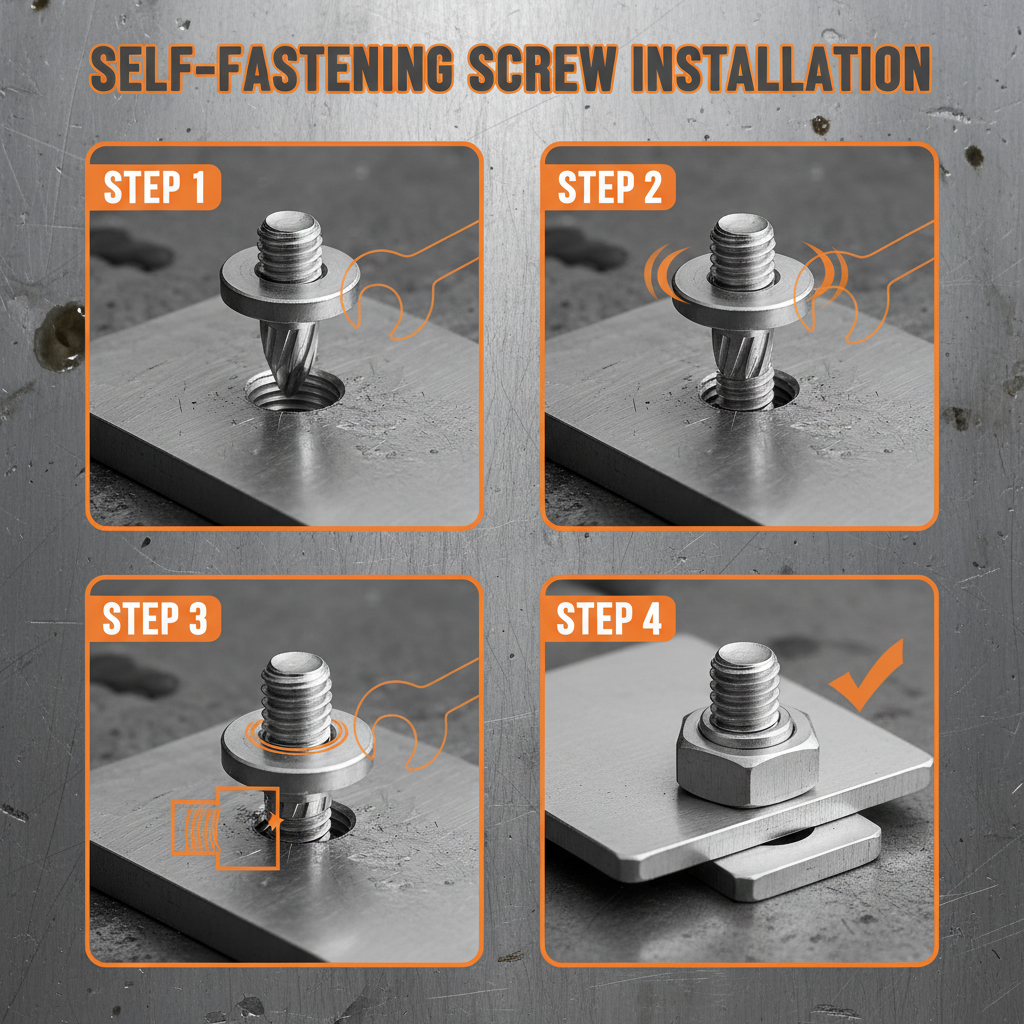
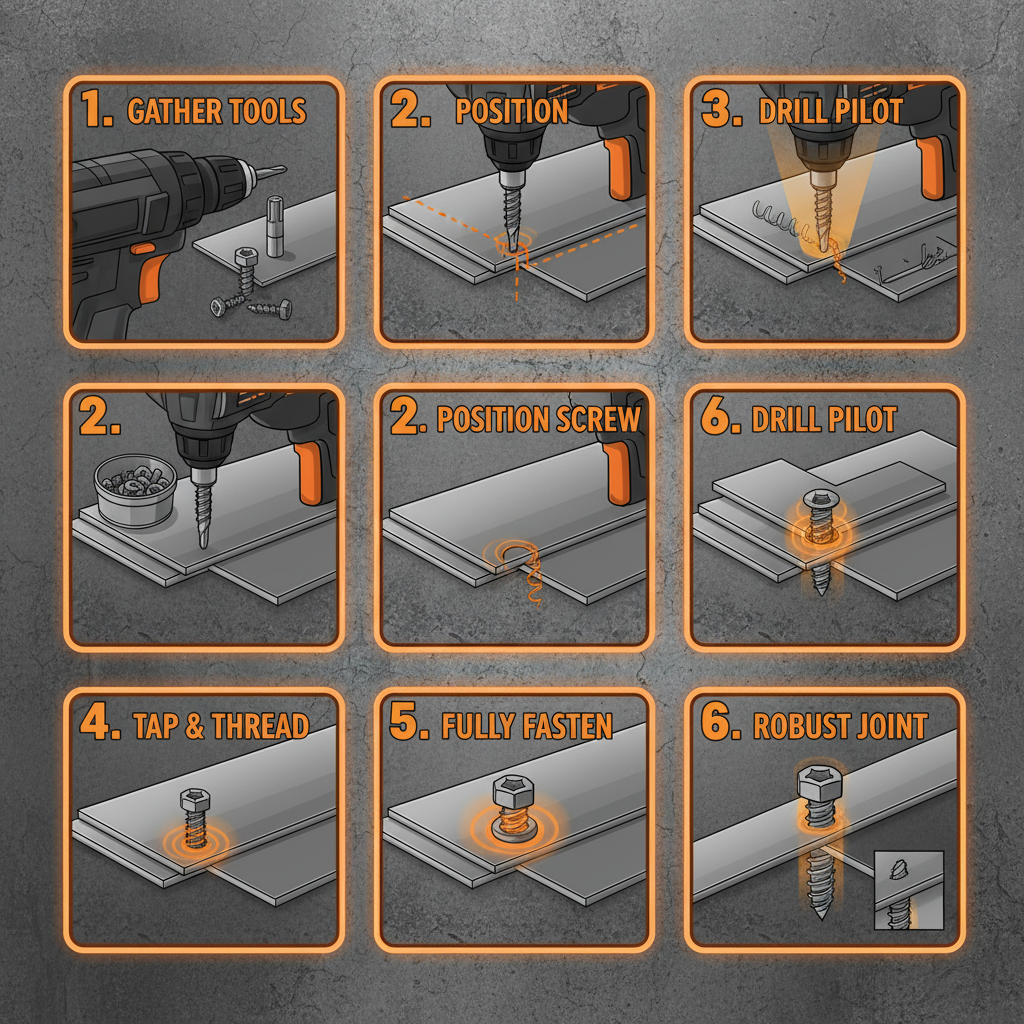
At their heart, self fastening screws are all about efficiency. The ability to create a secure joint without the need for pre-tapped holes or separate nuts dramatically speeds up assembly times. I’ve seen crews cut installation times by 30-40% simply by switching to the right self fastening screw. But it's not just speed; it’s the reduction in skilled labor required. Anyone can learn to drive a screw, making it a cost-effective solution, particularly in regions with labor shortages.
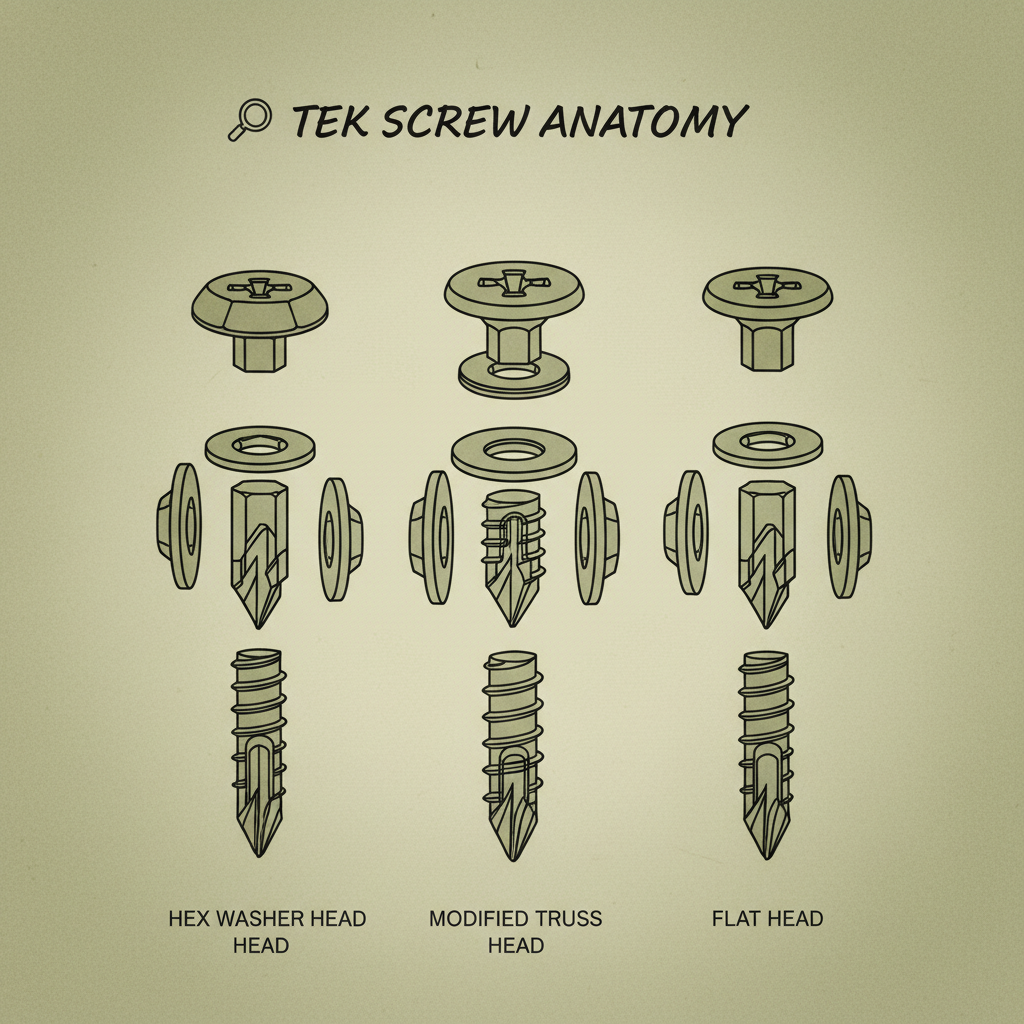
The design is crucial. The thread pitch, screw point style, and head type all play a role in how well a screw performs in a given material. A screw that works beautifully in softwood will fail miserably in steel, and vice versa. Understanding these design principles – and choosing accordingly – is what separates a solid build from a potential disaster.
Global Relevance and Market Dynamics
The demand for self fastening screws is inextricably linked to global construction and manufacturing activity. Emerging economies in Asia, Africa, and South America are driving huge growth in the fastener market, fueled by infrastructure development and urbanization. But this growth also presents challenges - maintaining quality control across diverse manufacturing locations and ensuring consistent supply chains are paramount. We’re seeing increased pressure for localized production to reduce transportation costs and lead times.
The industry is also becoming more sophisticated, with a growing emphasis on specialized fasteners for niche applications – think aerospace, medical devices, or automotive manufacturing. These sectors demand exceptionally high precision, material quality, and traceability. Companies that can meet these demands are positioned for long-term success.
Geopolitical factors also play a role. Tariffs, trade wars, and global events can all disrupt supply chains and impact pricing. Staying agile and diversifying sourcing options is critical for navigating these uncertainties.
Defining Self Fastening Screw Technology
Simply put, self fastening screws are threaded fasteners designed to tap their own hole as they are driven into the material. Unlike traditional screws that require a pre-tapped hole, self fastening screws create the threads themselves, streamlining the assembly process. This seemingly small difference has huge implications for efficiency and cost savings.
The core technology lies in the screw’s thread design and point style. Different thread patterns are optimized for different materials – coarse threads for softer materials like wood and drywall, fine threads for harder materials like metal and plastic. The point style (e.g., drill point, blunt point, cutting point) determines how the screw initiates and forms the hole.
This technology directly addresses a fundamental need in modern industry: rapid, reliable assembly. Whether it's mass-producing appliances, building prefabricated structures, or assembling complex machinery, self fastening screws play a vital role in accelerating the manufacturing process and reducing labor costs.
Key Performance Characteristics of self fastening screws
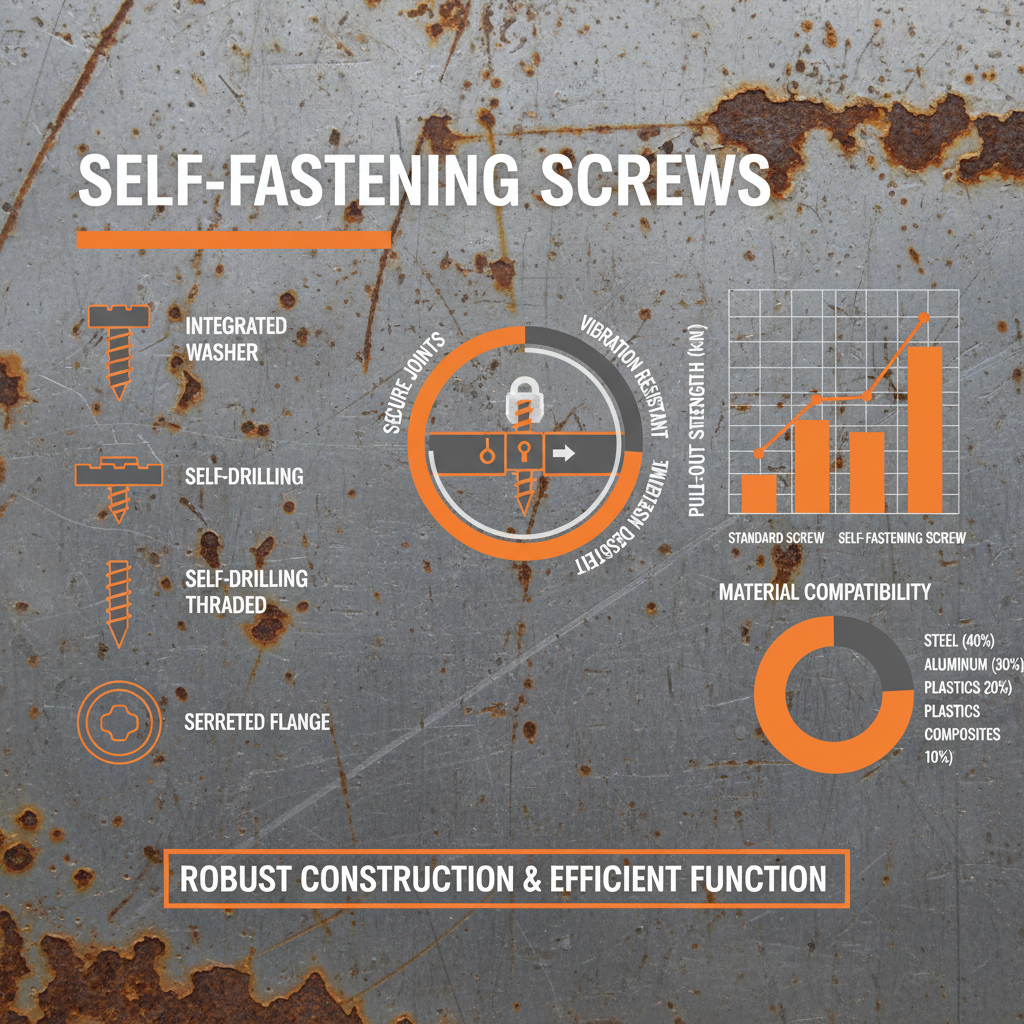
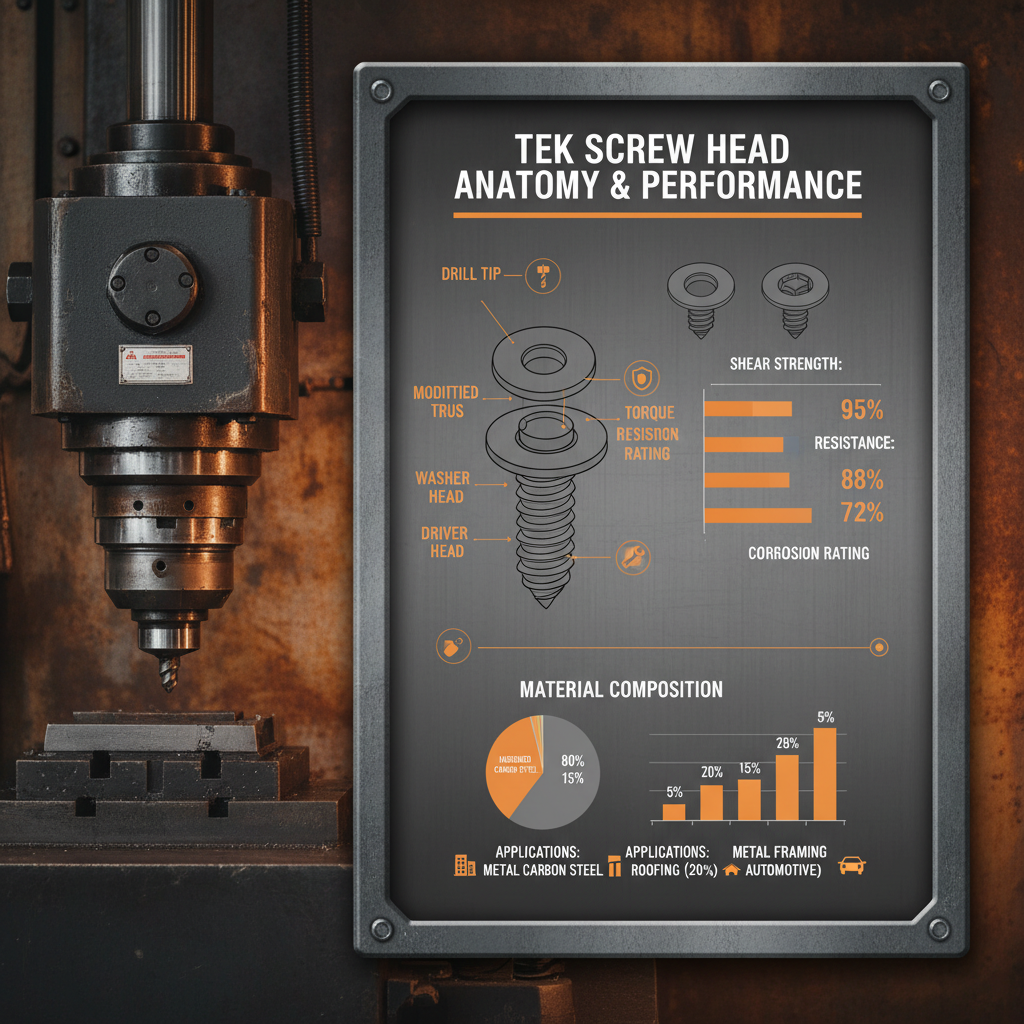
There are several critical factors to consider when evaluating a self fastening screw. First is Shear Strength: the screw's ability to resist forces applied parallel to its axis. Crucial for load-bearing applications. Second, Tensile Strength: its resistance to being pulled apart. Equally important for structural integrity.
Then there's Corrosion Resistance: vital for outdoor applications or environments exposed to moisture and chemicals. Stainless steel and specialized coatings are commonly used to address this. Finally, Driving Torque: how much force is required to drive the screw – too much can strip the head, too little can lead to inadequate clamping force.
Self Fastening Screw Performance Metrics
Real-World Applications Across Industries
You name it, self fastening screws are probably holding it together. In construction, they’re used for everything from framing and roofing to drywall and flooring. In automotive manufacturing, they’re critical for assembling body panels, interior components, and engine parts. Even in the medical field, specialized self fastening screws are used in surgical implants and orthopedic devices.
I’ve seen them used extensively in prefabricated housing projects, where speed and efficiency are paramount. They’re also crucial for assembling modular furniture, appliances, and electronic devices. In remote industrial zones, where access to skilled labor is limited, self fastening screws can be a lifesaver.
Long-Term Value and Cost Analysis
While the initial cost of a self fastening screw might be slightly higher than a traditional screw and nut combination, the long-term value is often significantly greater. The reduced labor costs, faster assembly times, and decreased risk of errors all contribute to significant savings over the life of a project.
From a sustainability perspective, the reduced material usage and waste associated with self fastening screws are also beneficial. And from a safety standpoint, the secure joints they create minimize the risk of structural failures and potential accidents. Ultimately, investing in quality self fastening screws is an investment in reliability, durability, and peace of mind.
Emerging Trends and Future Innovations
We’re seeing a lot of innovation in the materials used to manufacture self fastening screws. Bioplastics, recycled metals, and corrosion-resistant alloys are all gaining traction. Digital integration is also playing a role, with the development of “smart” screws that can monitor stress levels and provide real-time data on structural integrity.
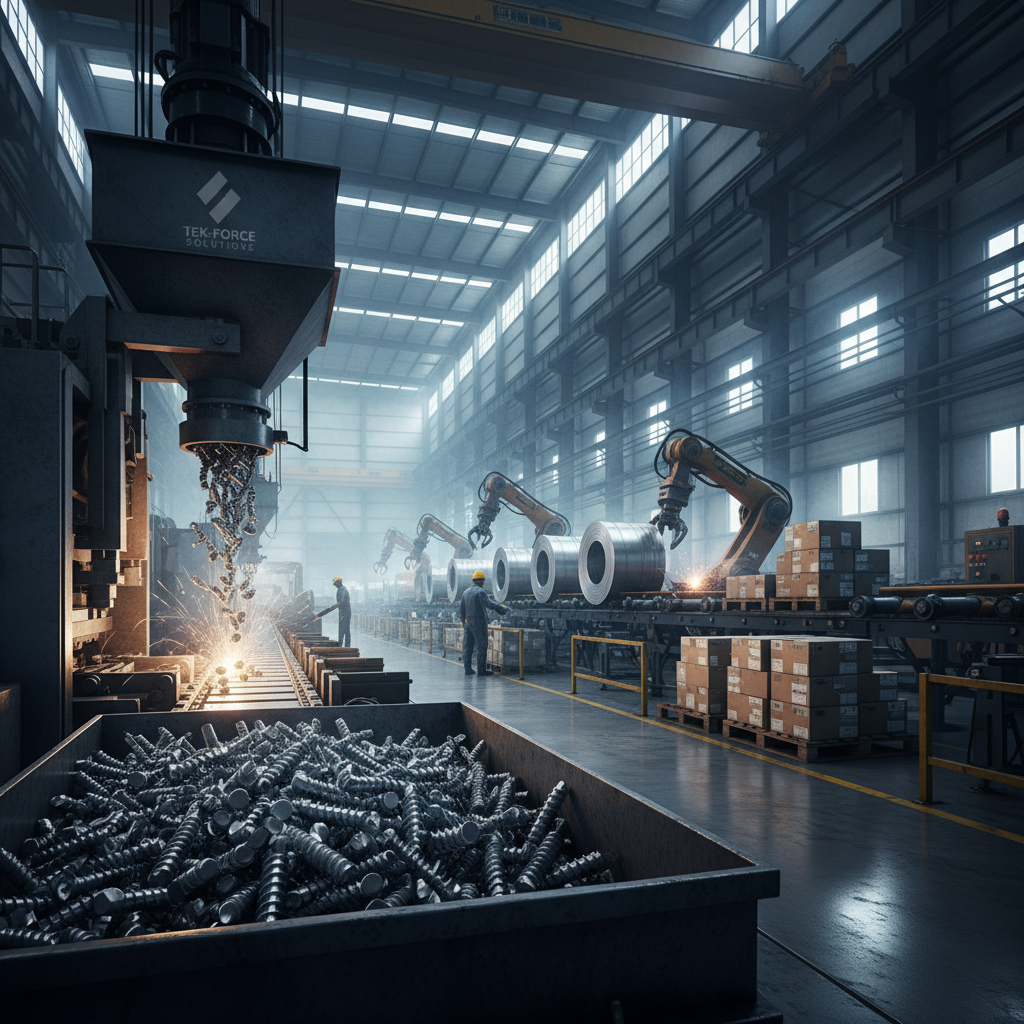
Automation is another key trend. Robotic screw driving systems are becoming increasingly common in manufacturing facilities, further accelerating assembly times and improving quality control. The push towards sustainable construction practices is also driving demand for eco-friendly fasteners.
I think we’ll see even more customization in the future, with screws tailored to specific applications and materials. The goal is to optimize performance, reduce waste, and create more sustainable and resilient structures.
Key Considerations for Self Fastening Screw Selection
| Material Compatibility |
Environmental Conditions |
Load Requirements |
Cost-Effectiveness |
| Wood, Metal, Plastic, Composites |
Indoor, Outdoor, Corrosive |
Static, Dynamic, Shear |
Initial cost vs. lifecycle |
| Compatibility with substrate type |
Temperature, humidity, chemical exposure |
Weight-bearing capacity and stress levels |
Labor costs, maintenance, replacement |
| Impact on fastener performance & longevity |
Resistance to rust, UV degradation, and corrosion |
Optimal screw size and material grade |
Total cost of ownership assessment |
| Choosing the correct screw type for each material |
Selecting appropriate coatings and materials |
Ensuring structural integrity under load |
Comparing options and analyzing ROI |
| Avoid material incompatibility issues |
Minimize corrosion and degradation risks |
Maintain safety and prevent failures |
Maximize long-term value |
| Enhance joint strength and durability |
Extend service life in harsh conditions |
Optimize screw performance |
Reduce overall project expenses |
FAQS
I’ve seen screws fail for a variety of reasons, but the most frequent culprits are improper material selection – using a screw not rated for the substrate – over-torquing, stripping the head, or corrosion. Using the wrong screw for the job, or pushing it beyond its limits, is almost guaranteed to lead to problems. Proper pre-drilling (when needed) and using the correct driver bit are also crucial.
A good rule of thumb is to ensure at least half the screw’s length is embedded in the base material. However, it depends on the material thickness and the required holding power. Too short, and the screw won't have sufficient grip; too long, and it might protrude or interfere with other components. It’s always best to consult a fastener chart or, if unsure, err on the side of slightly longer.
Stainless steel offers inherent corrosion resistance due to its alloy composition, making it ideal for harsh environments. However, different grades of stainless steel offer varying levels of protection. Coatings, like zinc plating or ceramic coatings, provide a barrier against corrosion but can be susceptible to scratches or wear. The best choice depends on the specific application and budget.
The head type is surprisingly important! It affects how the screw sits flush with the surface, the torque transfer, and the aesthetic appearance. For example, a flat head screw is designed to countersink, while a pan head provides a wider bearing surface. Choosing the right head type ensures a secure, visually appealing, and functional joint.
Generally, it's not recommended to reuse self fastening screws. The act of driving the screw creates threads that conform to the material. Removing and re-inserting the screw can damage those threads, reducing its holding power. It's always best to use a new screw for optimal performance and reliability.
Look for a supplier with a proven track record of quality control, reliable delivery times, and a wide range of product options. Certifications like ISO 9001 are a good indicator of their commitment to quality. Also, consider their technical support capabilities – can they help you select the right screw for your specific application?
Conclusion
Self fastening screws are far more than just simple fasteners. They represent a vital component of modern construction, manufacturing, and countless other industries. Understanding their principles, applications, and emerging trends is crucial for anyone involved in building, assembling, or maintaining structures and products. By prioritizing quality, material selection, and proper installation, we can ensure long-term reliability, safety, and cost-effectiveness.
The future of self fastening screws lies in innovation – new materials, smarter designs, and increased automation. Staying informed about these advancements and embracing sustainable practices will be key to unlocking their full potential. For reliable, high-quality self fastening screws, and expert advice, visit our website: www.hbxzfastener.com