
Comprehensive Guide to Expansion Shield Anchor Selection and Installation
Understanding Expansion Shield Anchors: A Comprehensive Guide
Expansion shield anchors are critical fasteners in a multitude of construction and industrial applications. They provide a secure and reliable method for attaching fixtures to concrete, brick, and block walls. This article will delve into the details of expansion shield anchors, covering their construction, applications, installation, and considerations for optimal performance. Choosing the correct anchor is vital for ensuring structural integrity and the longevity of any project. We’ll explore the factors to consider when selecting the appropriate anchor for your specific needs.
What is an Expansion Shield Anchor?
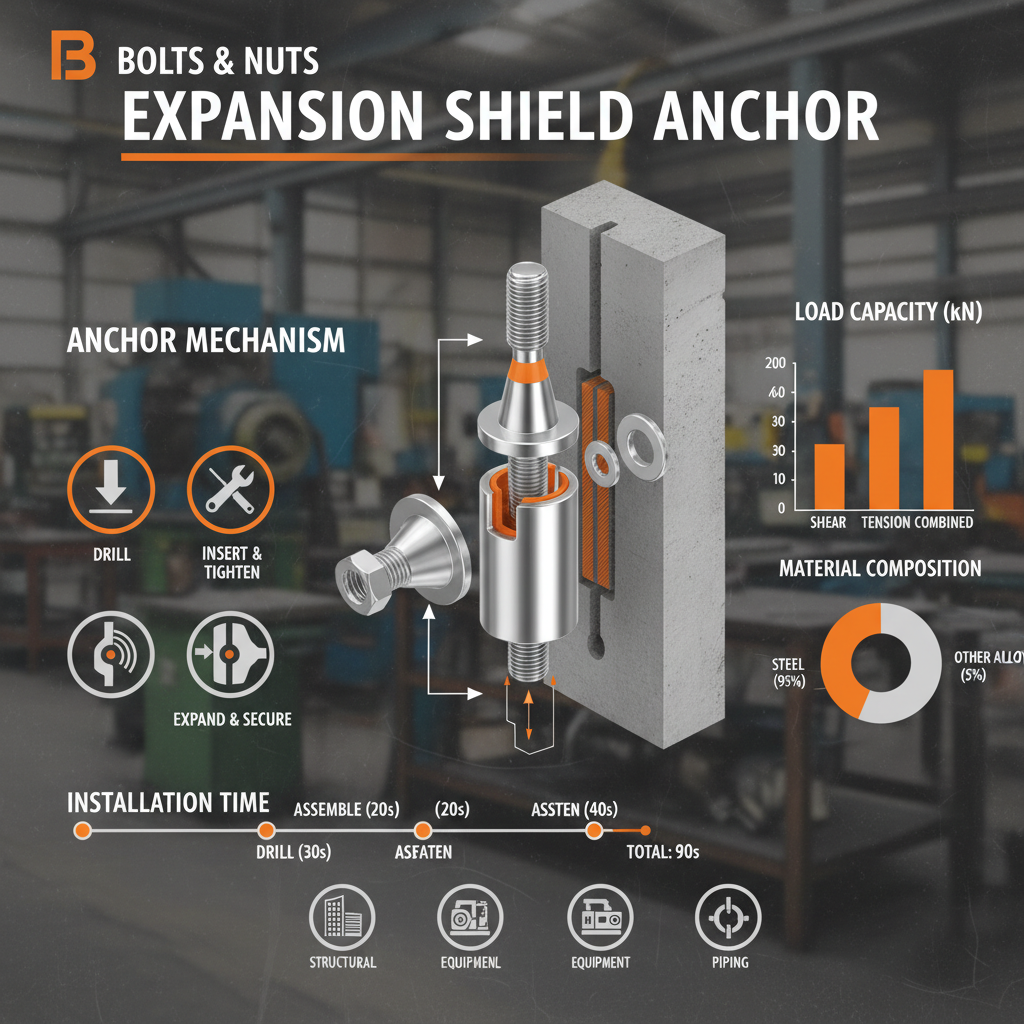
An expansion shield anchor, also known as a wedge anchor, works by expanding a shield against the sides of a pre-drilled hole in concrete or masonry. The anchor typically consists of a bolt, a shield (sleeve), and a washer. As the bolt is tightened, the shield expands, creating a friction fit that resists pull-out forces. They are suitable for medium to heavy-duty applications where a strong, reliable hold is required. HBXZ Fastener specializes in providing high-quality expansion shield anchors for a diverse range of projects.
Key Highlights: Expansion shield anchors are renowned for their strength, ease of installation, and versatility. They offer a cost-effective solution for securing fixtures in concrete and masonry.
Expansion Shield Anchor Applications
These anchors are widely used in various construction and industrial settings, including: securing structural steel, attaching machinery to concrete floors, installing railings and handrails, mounting electrical conduits and equipment, and fixing shelving and storage systems to walls. Their ability to withstand significant tensile and shear forces makes them ideal for critical applications. HBXZ Fastener offers a comprehensive range of anchors tailored for diverse applications.
Common Applications:
• Attaching structural steel to concrete foundations
• Mounting machinery and equipment
• Securing safety railings and handrails
• Installing electrical conduits and supports
Expansion Shield Anchor Types & Specifications
Expansion shield anchors come in various materials, finishes, and sizes. Common materials include carbon steel (often with zinc plating), stainless steel (for corrosion resistance), and galvanized steel. Diameter ranges typically from ¼ inch to 1 inch, and lengths vary depending on the application. It’s important to select the correct material and size based on the load requirements and environmental conditions. The following table outlines some common specifications:
Proper Installation of Expansion Shield Anchors
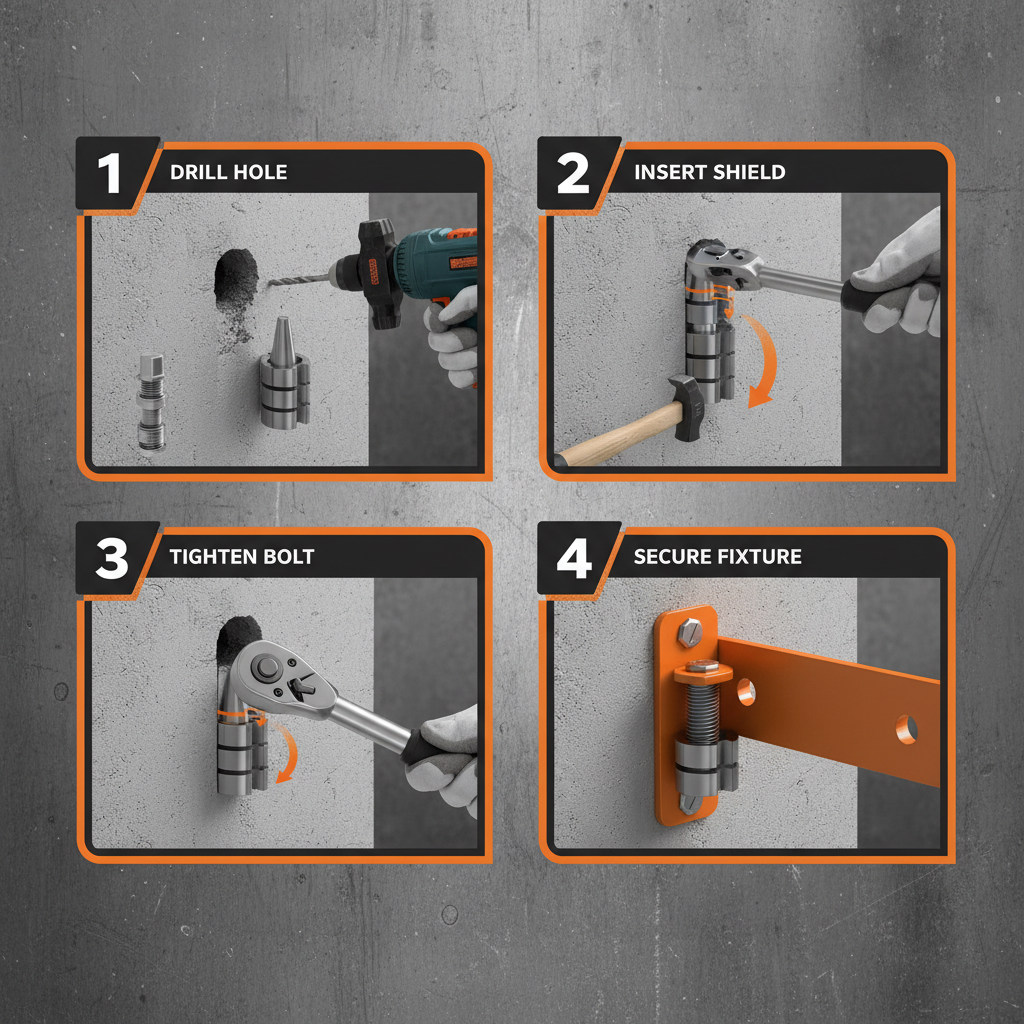
Correct installation is crucial for ensuring the anchor's performance. The process involves drilling a hole to the appropriate diameter and depth, cleaning out debris, inserting the anchor, and tightening the bolt to the specified torque. It is essential to use a torque wrench to avoid over-tightening, which can damage the anchor or the surrounding concrete. Following the manufacturer's instructions is always recommended. HBXZ Fastener provides detailed installation guides with all our anchors.
Considerations and Best Practices
When selecting and installing expansion shield anchors, consider factors like the concrete's compressive strength, the load requirements, and the environmental conditions. Ensure adequate edge distance and spacing between anchors. Avoid installing anchors in cracked or damaged concrete. Regular inspection of installed anchors is recommended to identify any signs of loosening or corrosion. For critical applications, consult with a qualified engineer to ensure proper anchor selection and installation. HBXZ Fastener provides technical support to assist with anchor selection and application.
Conclusion: Choosing the Right Expansion Shield Anchor
Selecting the correct expansion shield anchor is paramount for ensuring the safety and longevity of any construction or industrial project. By understanding the different types, specifications, and installation procedures, you can make informed decisions that optimize performance and reliability. HBXZ Fastener is committed to providing high-quality anchors and expert support to meet your fastening needs.
Frequently Asked Questions (FAQs)
What is the maximum load capacity of an expansion shield anchor?
The maximum load capacity depends on several factors, including the anchor’s diameter, length, embedment depth, and the compressive strength of the concrete. Each anchor has a specified safe working load (SWL) and ultimate tensile strength (UTS) indicated by the manufacturer. It is crucial to consult the product specifications and perform load calculations based on your specific application. Exceeding the SWL can compromise the anchor’s integrity and pose a safety risk. Always select an anchor with a sufficient safety factor for your intended load.
Can expansion shield anchors be used in cracked concrete?
Generally, expansion shield anchors are not recommended for use in cracked concrete, especially for critical applications. Cracks can reduce the anchor’s holding capacity and lead to premature failure. There are specialized anchors designed for cracked concrete, such as bonded anchors, that provide greater reliability in such conditions. If you must use an anchor in cracked concrete, consult with a qualified engineer to determine the appropriate anchor type and installation procedure.
What is the proper drill bit size for expansion shield anchors?
The drill bit size should match the diameter of the anchor’s shield. Using the wrong drill bit size can result in a loose fit, reduced holding capacity, or difficulty inserting the anchor. Always refer to the anchor manufacturer's specifications for the recommended drill bit size. It’s essential to drill a clean, straight hole to ensure proper anchor installation. Consider using a hammer drill for concrete to facilitate the drilling process.
How do I prevent corrosion of expansion shield anchors?
Corrosion can significantly reduce the lifespan and performance of expansion shield anchors. To prevent corrosion, use stainless steel anchors in corrosive environments, such as coastal areas or applications involving chemicals. Alternatively, use carbon steel anchors with a durable protective coating, such as hot-dip galvanization. Ensure the anchor and surrounding concrete are dry before installation. Regular inspection and maintenance can also help identify and address corrosion issues early on.
-
Guide to High Quality Stainless Steel Expansion FastenersNewsApr.16,2026
-
Plastic Expanding Nut Guide for Applications and BenefitsNewsApr.16,2026
-
High Efficiency Fastening Guide for Plastic Expansion RivetsNewsApr.16,2026
-
Ultimate Guide to Industrial Sheet Metal Expansion AnchorsNewsApr.16,2026
-
Guide to Choosing and Installing the Right Metal Expansion ScrewNewsApr.16,2026
-
Metal Expansion Nut Guide for Industrial Strength and StabilityNewsApr.16,2026