
Comprehensive Guide to Headed Shear Studs for Steel Construction Projects
Understanding Headed Shear Studs: A Comprehensive Guide
In the realm of construction and structural engineering, ensuring robust connections between steel structures is paramount. Headed shear studs play a critical role in achieving composite action, enhancing load capacity, and improving the overall safety and durability of buildings and infrastructure. This article delves into the world of headed shear studs, exploring their function, applications, types, installation, and the importance of choosing a reliable supplier like HBXZ Fastener. Understanding these components is vital for engineers, contractors, and anyone involved in steel construction projects.
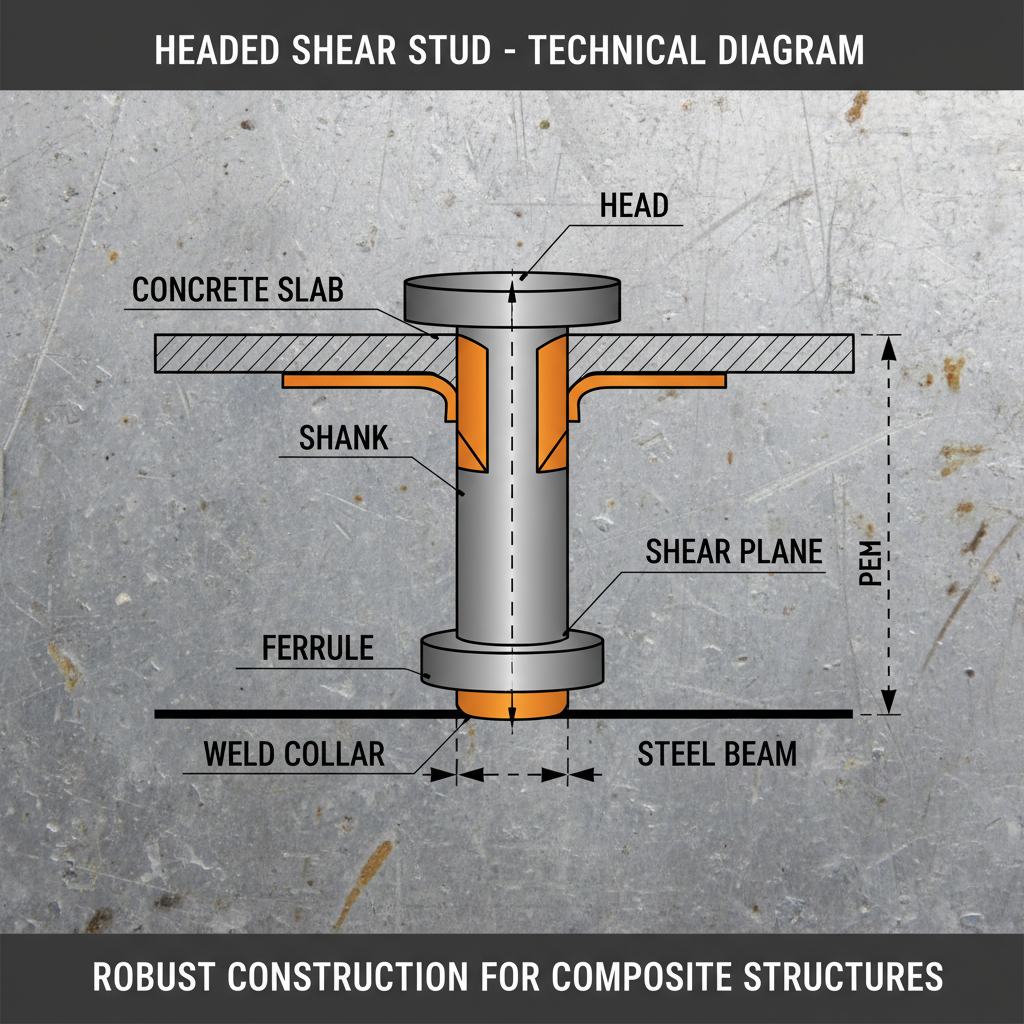
What are Headed Shear Studs and How Do They Work?
Headed shear studs are cylindrical steel fasteners welded onto a steel plate (typically a concrete slab). Their primary function is to create a strong mechanical interlock between the steel plate and the concrete. This interlock allows for the transfer of shear forces, effectively making the steel and concrete act as a single composite unit. The "head" of the stud is designed to be embedded within the concrete, providing a larger bearing surface and resisting pullout. This composite action significantly increases the strength and stiffness of the structure, reducing deflection and enhancing load-carrying capacity. Without these studs, slippage would occur between the concrete and steel, diminishing the structure's efficiency. A quality supplier such as HBXZ Fastener ensures the shear studs meet rigorous quality standards for optimal performance.
Key Benefit: Increased load capacity and reduced deflection in composite steel-concrete structures.
Types of Headed Shear Studs
Headed shear studs aren't a one-size-fits-all solution. Several types cater to specific application needs. The most common include:
- Welded Shear Studs: The most prevalent type, welded directly onto the steel plate.
- Grouted Shear Studs: Used in precast concrete applications, embedded in grout for a secure connection.
- Powder Actuated Shear Studs: Installed using a powder-actuated tool for faster application, suitable for certain projects.
The choice of stud type depends on factors such as the construction method, load requirements, and desired installation speed. HBXZ Fastener offers a comprehensive range of these types, ensuring you find the ideal solution for your project.
Applications of Headed Shear Studs
Headed shear studs are crucial components in a variety of construction projects, including:
- Bridges: Enhancing the load capacity and durability of bridge decks.
- High-Rise Buildings: Creating strong composite floors for increased structural integrity.
- Parking Garages: Providing robust support for heavy vehicle loads.
- Industrial Buildings: Supporting heavy machinery and equipment.
These applications demonstrate the versatility and importance of headed shear studs in modern construction. Proper selection and installation, often facilitated by a reliable supplier like HBXZ Fastener, are key to successful project outcomes.
Headed Shear Stud Specifications and Standards
Shear studs are manufactured to meet stringent industry standards to ensure reliability and performance. Common specifications include:
Choosing the Right Supplier: HBXZ Fastener
Selecting a reliable supplier is crucial for ensuring the quality and performance of headed shear studs. HBXZ Fastener is a leading manufacturer and supplier, committed to providing high-quality shear studs that meet or exceed industry standards. We offer:
- Wide Range of Sizes and Types: Catering to diverse project requirements.
- Competitive Pricing: Providing cost-effective solutions.
- Quality Control: Rigorous testing and inspection processes.
- Technical Support: Expert assistance with selection and installation.
Conclusion: Investing in Quality for Structural Integrity
Headed shear studs are indispensable components in modern steel construction, providing vital connections for composite structures. Choosing a reputable supplier like HBXZ Fastener ensures you receive high-quality products, expert support, and peace of mind. Don't compromise on the structural integrity of your project – invest in quality shear studs.
Frequently Asked Questions (FAQs)
What is the typical installation process for headed shear studs?
Headed shear studs are typically installed using an arc welding process. The stud is placed in position, and an electric arc is struck between the stud tip and the steel plate, melting both surfaces and creating a strong weld. Proper welding technique and parameters are crucial to ensure a full and consistent weld penetration. Surface preparation, including cleaning the steel plate, is also essential. Qualified welders and adherence to relevant welding codes are vital for successful installation. HBXZ Fastener can provide guidance on best practices for stud installation.
How do I determine the correct shear stud spacing for my project?
Shear stud spacing is determined by several factors, including the load requirements, the concrete strength, the steel plate thickness, and the stud diameter. Engineers typically use design calculations and industry guidelines (like those outlined in Eurocode or AISC specifications) to determine the optimal spacing. Shorter spacing generally provides greater shear resistance but also increases material costs. A structural engineer should always be consulted to ensure proper stud spacing for a given application.
What is the importance of weld quality when installing shear studs?
Weld quality is absolutely critical to the performance of headed shear studs. A poorly executed weld can significantly reduce the shear capacity of the connection and potentially lead to structural failure. The weld must be free from defects such as porosity, cracks, and incomplete fusion. Proper welding parameters, qualified welders, and thorough inspection of the welds are essential. Non-destructive testing methods, such as visual inspection and ultrasonic testing, can be used to verify weld quality.
Are headed shear studs suitable for seismic zones?
Yes, headed shear studs can be effectively used in seismic zones. They provide the necessary ductility and shear resistance to withstand earthquake forces. However, in seismic applications, it's crucial to follow specific design guidelines and consider factors such as stud ductility and weld detailing to ensure adequate performance. Increased stud density and specialized stud configurations may be required in high-seismicity areas. Consulting with a structural engineer experienced in seismic design is vital.
-
Guide to High Quality Stainless Steel Expansion FastenersNewsApr.16,2026
-
Plastic Expanding Nut Guide for Applications and BenefitsNewsApr.16,2026
-
High Efficiency Fastening Guide for Plastic Expansion RivetsNewsApr.16,2026
-
Ultimate Guide to Industrial Sheet Metal Expansion AnchorsNewsApr.16,2026
-
Guide to Choosing and Installing the Right Metal Expansion ScrewNewsApr.16,2026
-
Metal Expansion Nut Guide for Industrial Strength and StabilityNewsApr.16,2026