
Comprehensive Guide to Headed Stud Shear Connectors for Steel Construction
Understanding Headed Stud Shear Connectors: A Comprehensive Guide
In the realm of steel construction, ensuring structural integrity and load-bearing capacity is paramount. Headed stud shear connectors play a critical role in creating composite steel-concrete structures. These connectors facilitate the transfer of shear forces between steel beams and concrete slabs, enhancing the overall strength and performance of the structure. This article provides an in-depth exploration of headed stud shear connectors, covering their function, types, installation, and quality considerations, targeted towards engineers, contractors, and anyone involved in steel construction projects. Selecting the right connector type and ensuring proper installation are crucial for long-term structural reliability.
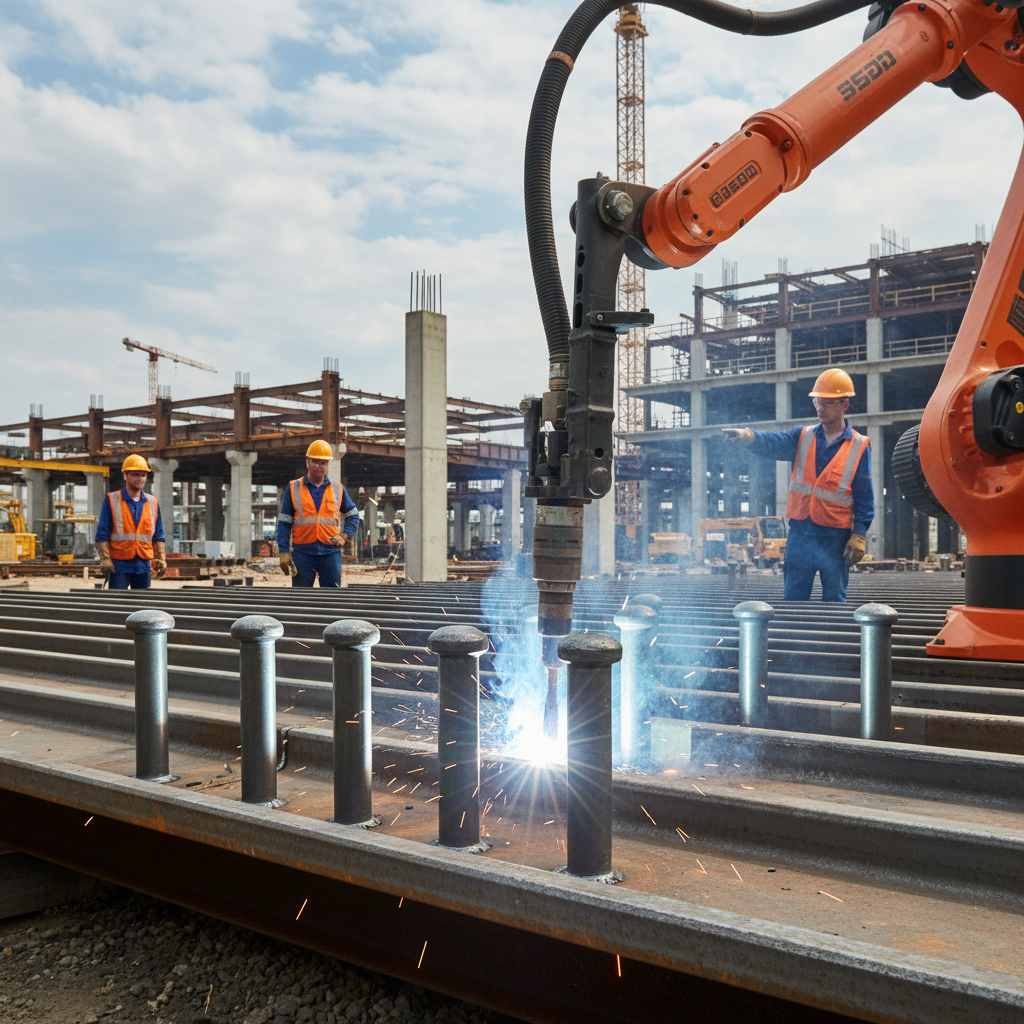
What are Headed Stud Shear Connectors?
Headed stud shear connectors are short, cylindrical steel studs welded onto the top flange of a steel beam. The headed end of the stud is embedded in the concrete slab during construction. When a load is applied to the concrete slab, the headed end of the stud resists movement relative to the concrete due to friction and bond. This resistance transmits shear forces to the steel beam, effectively making the steel and concrete act as a single, composite unit. The key benefit is increased strength, stiffness, and ductility of the entire structure. HBXZ Fastener offers a comprehensive range of these vital components.
Key Highlights: Headed stud shear connectors effectively transfer shear forces between steel beams and concrete slabs, enhancing structural performance and load-bearing capacity.
Types of Headed Stud Shear Connectors
While the basic principle remains the same, headed stud shear connectors come in several types, each suited for different applications and loading conditions. Common types include:
- Standard Studs: The most commonly used type, suitable for general construction purposes.
- Deformed Studs: Feature a deformed head or shank to increase bond strength and pullout resistance.
- Powder Alloy Studs: Made from high-strength powder alloy steel, offering superior shear capacity.
- Large Diameter Studs: Used in applications requiring increased shear capacity, often in bridge construction.
Installation of Headed Stud Shear Connectors: Best Practices
Proper installation is critical for ensuring the effectiveness of headed stud shear connectors. Key considerations include:
- Welding Procedure: Use the correct welding procedure and qualified welders, adhering to AWS D1.1 standards.
- Stud Spacing: Maintain consistent stud spacing as specified in the design drawings.
- Stud Orientation: Ensure studs are oriented vertically and are not bent or damaged during installation.
- Concrete Placement: Carefully place concrete around the studs to avoid damaging them or creating voids.
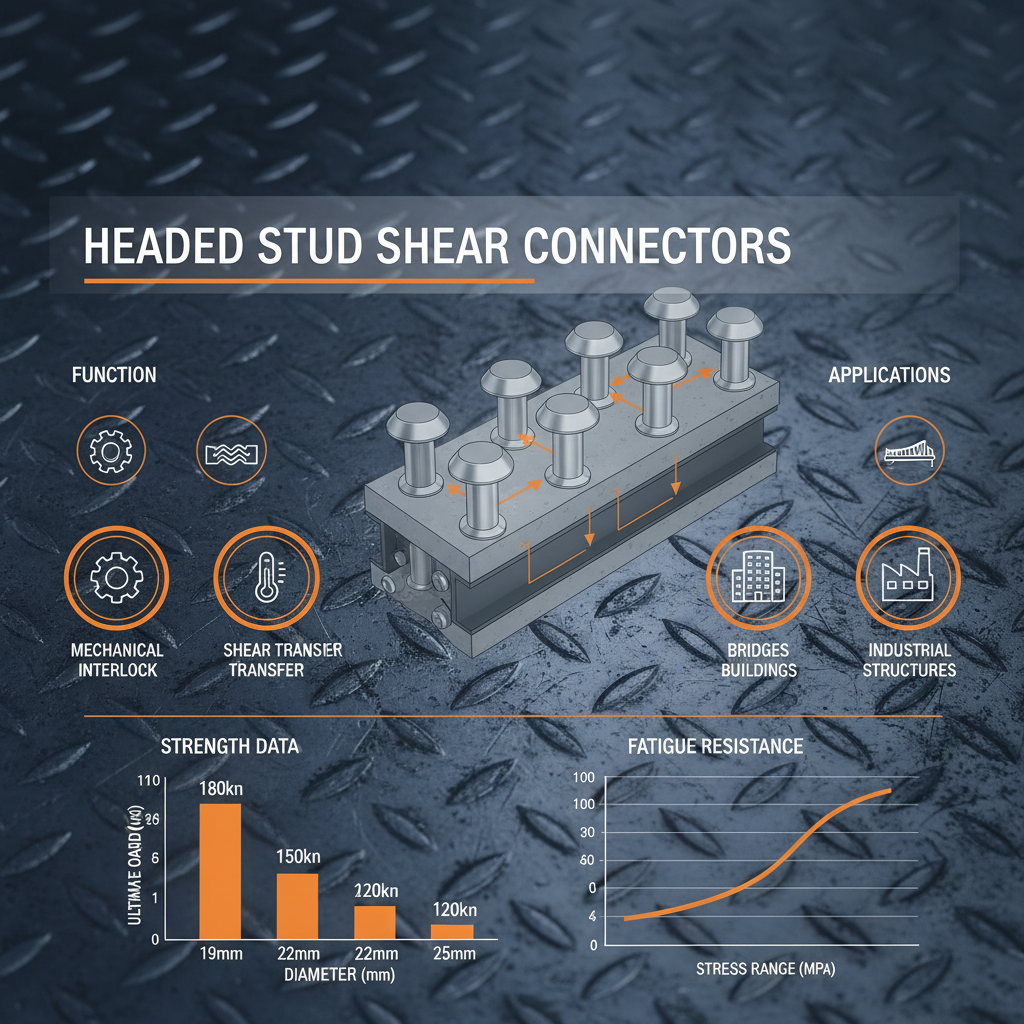
Headed Stud Shear Connector Specifications and Material Properties
Understanding the specifications and material properties of headed stud shear connectors is crucial for ensuring they meet project requirements. Here's a typical specification overview:
Quality Control and Considerations
Maintaining consistent quality is vital. Thoroughly inspect headed stud shear connectors for defects like bent studs, damaged heads, or inconsistent weld quality. Ensure that the connectors meet relevant industry standards, such as those published by the Steel Structures Painting Council (SSPC). HBXZ Fastener implements rigorous quality control procedures to guarantee the reliability of its products.
Conclusion: Ensuring Structural Integrity with Quality Connectors
Headed stud shear connectors are indispensable components in modern steel construction. By understanding their function, types, installation best practices, and quality requirements, engineers and contractors can ensure the long-term structural integrity and safety of their projects. Partnering with a reputable supplier like HBXZ Fastener ensures access to high-quality connectors and expert support.
Frequently Asked Questions (FAQs)
What is the primary function of headed stud shear connectors?
The primary function is to transfer shear forces between a steel beam and a concrete slab, creating a composite structural system. This composite action significantly increases the strength, stiffness, and load-bearing capacity of the overall structure compared to using steel and concrete as independent elements. By effectively distributing loads, headed stud shear connectors enhance the structural performance and durability of buildings and bridges.
What welding standards should be followed when installing headed studs?
The primary welding standard to follow is AWS D1.1, "Structural Welding Code - Steel." This standard outlines the specific welding procedures, electrode requirements, welder qualifications, and inspection criteria necessary to ensure a sound and reliable weld connection. Adhering to AWS D1.1 is critical for maintaining the structural integrity of the connection and preventing premature failure. Always consult the project specifications for any additional or specific welding requirements.
How do you determine the appropriate stud spacing for a given application?
Stud spacing is determined by a structural engineer based on several factors, including the applied loads, the concrete slab thickness, the steel beam size, and the required shear capacity. The spacing is designed to ensure adequate shear transfer without exceeding the capacity of the studs or the concrete. Building codes and industry standards provide guidance on minimum and maximum stud spacing requirements. Proper stud spacing is essential for maximizing the composite action and achieving the desired structural performance.
-
Guide to High Quality Stainless Steel Expansion FastenersNewsApr.16,2026
-
Plastic Expanding Nut Guide for Applications and BenefitsNewsApr.16,2026
-
High Efficiency Fastening Guide for Plastic Expansion RivetsNewsApr.16,2026
-
Ultimate Guide to Industrial Sheet Metal Expansion AnchorsNewsApr.16,2026
-
Guide to Choosing and Installing the Right Metal Expansion ScrewNewsApr.16,2026
-
Metal Expansion Nut Guide for Industrial Strength and StabilityNewsApr.16,2026