
Comprehensive Guide to M16 Anchor Bolt Price Factors and Selection
Understanding the M16 Anchor Bolt Price: A Comprehensive Guide
When undertaking construction projects, securing structures relies heavily on the quality and pricing of essential fasteners like the M16 anchor bolt. Understanding the factors influencing the M16 anchor bolt price is crucial for effective budgeting and project success. This article will delve into the variables affecting cost, different types of M16 anchor bolts, and where to source them effectively. We’ll also discuss the importance of choosing the right anchor bolt for your specific application, ensuring both safety and longevity of your construction.
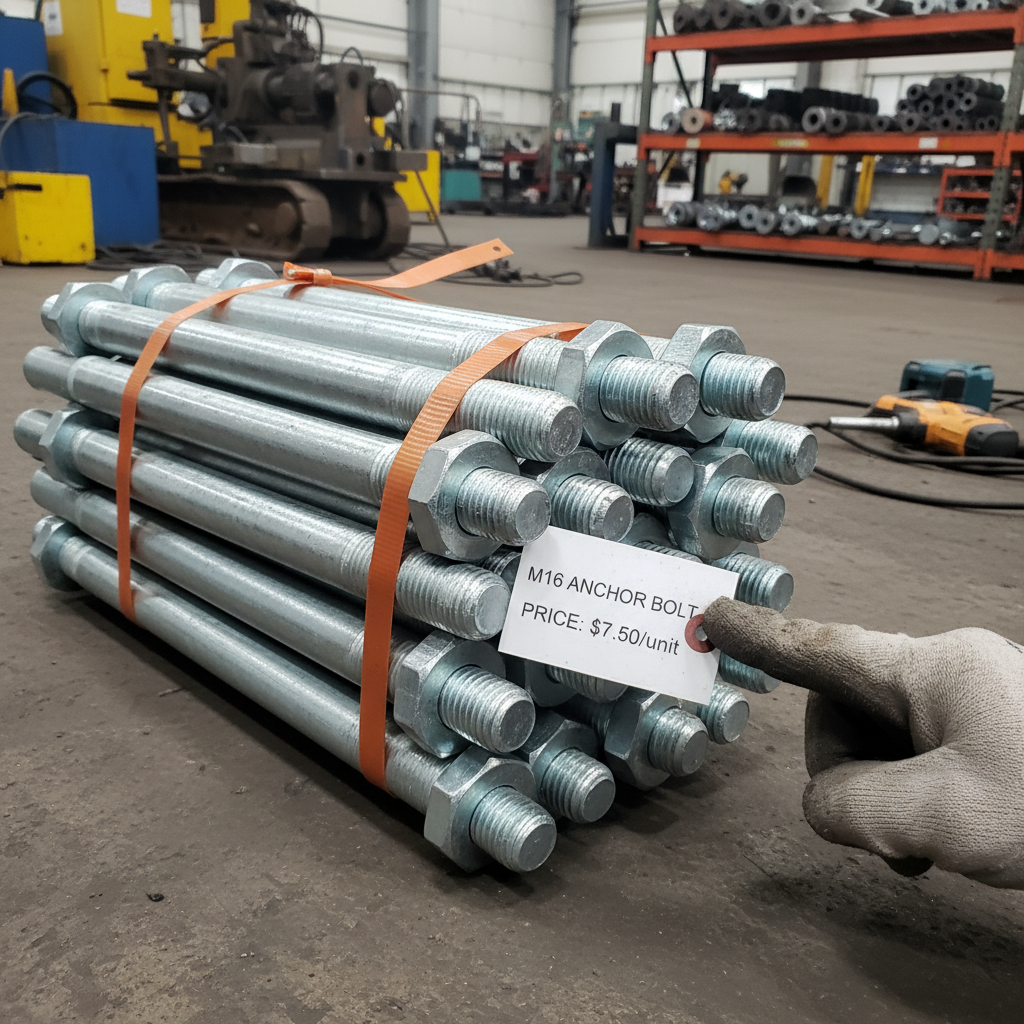
Factors Influencing the M16 Anchor Bolt Price
Several key elements contribute to the M16 anchor bolt price. The material used – typically carbon steel, stainless steel (304, 316), or galvanized steel – is a significant cost driver. Stainless steel, offering superior corrosion resistance, is naturally more expensive than carbon steel. Quantity also plays a substantial role; bulk orders usually qualify for discounts. Manufacturing processes, such as forging versus machining, impact cost. Finally, market demand, geographical location, and supplier margins all contribute to the final price. Understanding these factors allows for informed negotiation and procurement.
Key Influencers: Material grade, order quantity, manufacturing method, and supplier location.
Types of M16 Anchor Bolts and Their Cost Variations
M16 anchor bolts come in several varieties, each suited for specific applications and carrying a different price tag. Common types include: sleeve anchors, wedge anchors, chemical anchors, and through bolts. Sleeve anchors, generally the most affordable, are suitable for light-duty applications in concrete. Wedge anchors offer higher load-bearing capacity and are more expensive. Chemical anchors, providing the highest strength, are the most costly, requiring epoxy resin for installation. The choice depends on the required holding strength and the substrate material. Understanding these differences is crucial when evaluating the M16 anchor bolt price for your project.
Anchor Bolt Type Comparison:
• Sleeve Anchors: Lowest cost, light-duty applications.
• Wedge Anchors: Moderate cost, higher load capacity.
• Chemical Anchors: Highest cost, highest strength.
• Through Bolts: Moderate cost, requires access from both sides.
M16 Anchor Bolt Price Breakdown: Material Costs
The material composition of an M16 anchor bolt directly impacts its price. Carbon steel is the most economical option, generally costing between $0.50 and $1.00 per bolt. Galvanized steel, offering corrosion resistance, typically ranges from $0.80 to $1.50 per bolt. Stainless steel (304) commands a higher price, around $1.50 to $3.00 per bolt, while the more corrosion-resistant 316 stainless steel can cost between $2.50 and $4.00 or more per bolt. These figures are approximate and can vary based on supplier, quantity, and market conditions. Consider the environment your bolts will be exposed to when determining the appropriate material and budget.
Finding Reliable Suppliers for M16 Anchor Bolts
Sourcing from reputable suppliers is key to obtaining quality M16 anchor bolts at competitive prices. HBXZ Fastener is a trusted manufacturer and supplier offering a wide range of M16 anchor bolts in various materials and types. When selecting a supplier, consider their experience, certifications (like ISO 9001), and ability to provide technical support. Requesting quotes from multiple suppliers allows for price comparison and negotiation. Don't solely focus on the lowest price; quality and reliability are paramount.
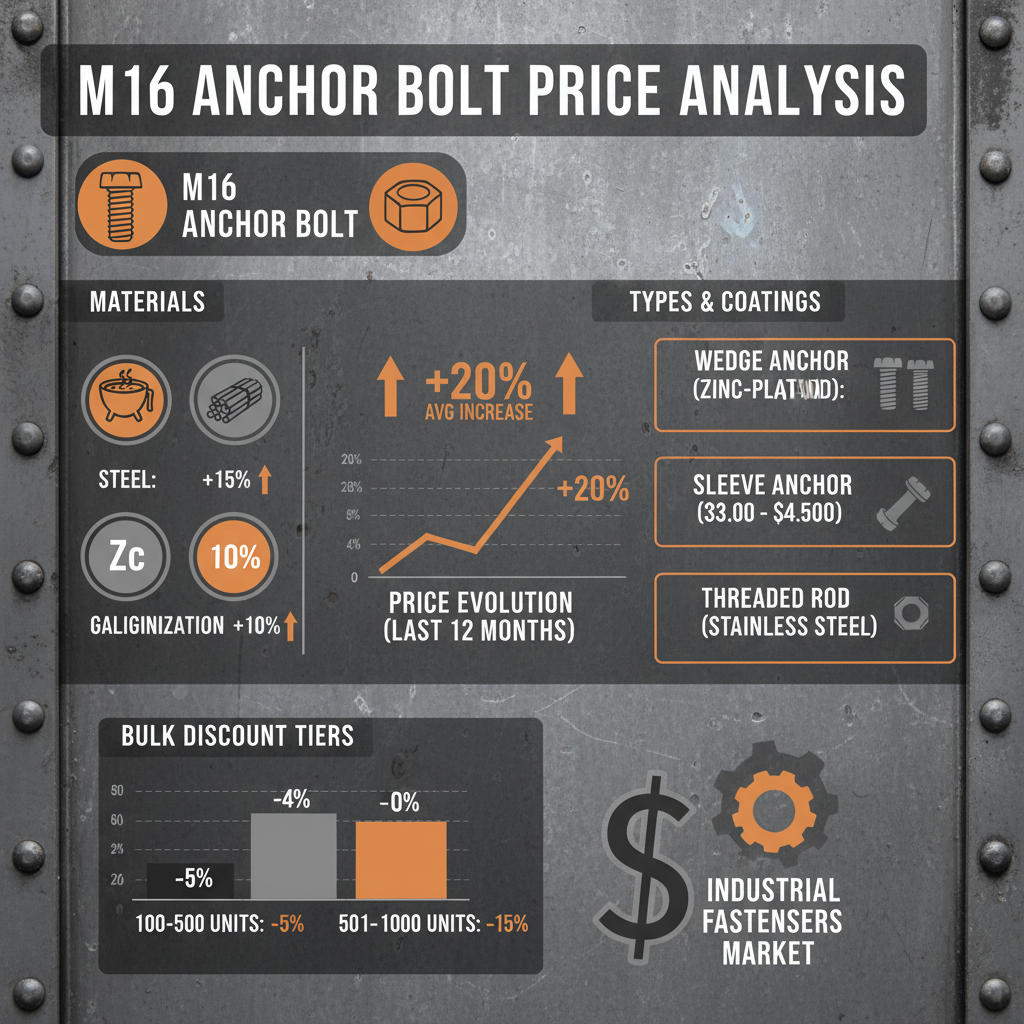
Ensuring You Get the Best Value for Your Investment
Getting the best value for your money with M16 anchor bolts involves careful consideration of all factors. Prioritize quality over price, choose the appropriate material for your application, and source from reputable suppliers like HBXZ Fastener. Remember that a slightly higher initial investment in quality bolts can save you significant costs down the line by preventing failures and ensuring the structural integrity of your project.
Conclusion: Informed Procurement for Reliable Results
Understanding the nuances of the M16 anchor bolt price is essential for successful construction projects. By carefully considering material costs, anchor bolt types, and supplier reliability, you can make informed procurement decisions that ensure both budget adherence and structural integrity. Partnering with a trusted supplier like HBXZ Fastener will give you confidence in the quality and performance of your fasteners.
Frequently Asked Questions (FAQs)
What factors cause fluctuations in M16 anchor bolt prices?
Several factors contribute to price fluctuations. Raw material costs (steel, alloys) are a primary driver, influenced by global market conditions and supply chain disruptions. Energy prices also impact manufacturing costs. Demand surges, particularly during peak construction seasons, can lead to price increases. Currency exchange rates can also play a role, especially when sourcing from international suppliers. Finally, transportation costs and tariffs can add to the overall price. Monitoring these factors can help anticipate potential price changes.
How do I determine the correct M16 anchor bolt for my specific application?
Determining the correct anchor bolt involves considering several factors. The substrate material (concrete, brick, etc.) is crucial. The required load-bearing capacity needs to be accurately calculated. The environmental conditions (exposure to corrosion, temperature extremes) will dictate the material choice. The depth of embedment and the edge distance also influence the selection. Consulting with a structural engineer or fastener specialist is recommended, especially for critical applications. HBXZ Fastener provides technical support to assist with proper selection.
What is the lead time for ordering M16 anchor bolts in bulk?
Lead times for bulk orders vary depending on the quantity, material, and the supplier's production schedule. Generally, standard carbon steel or galvanized M16 anchor bolts can be delivered within 2-4 weeks. Stainless steel orders may require a longer lead time of 4-6 weeks, due to material availability and fabrication processes. It’s always best to confirm lead times with the supplier at the time of placing your order, especially for large or customized orders. HBXZ Fastener strives for prompt order fulfillment.
What certifications should I look for when choosing a supplier?
Look for suppliers with ISO 9001 certification, demonstrating their commitment to quality management systems. Additional certifications, such as ISO 14001 (environmental management) and OHSAS 18001 (occupational health and safety), are also indicators of a responsible and reliable supplier. Certification by recognized testing agencies for fastener performance and material composition is also beneficial. These certifications provide assurance that the supplier adheres to industry standards and delivers consistently high-quality products.
-
Guide to High Quality Stainless Steel Expansion FastenersNewsApr.16,2026
-
Plastic Expanding Nut Guide for Applications and BenefitsNewsApr.16,2026
-
High Efficiency Fastening Guide for Plastic Expansion RivetsNewsApr.16,2026
-
Ultimate Guide to Industrial Sheet Metal Expansion AnchorsNewsApr.16,2026
-
Guide to Choosing and Installing the Right Metal Expansion ScrewNewsApr.16,2026
-
Metal Expansion Nut Guide for Industrial Strength and StabilityNewsApr.16,2026