
Comprehensive Guide to Shear Stud Price Factors and Procurement Strategies
Understanding the Shear Stud Price: A Comprehensive Guide
Shear studs are essential components in composite steel-concrete construction, providing a strong connection between the two materials. Understanding the shear stud price is crucial for accurate project budgeting and procurement. This article delves into the factors influencing shear stud pricing, types available, and where to source them reliably. We'll explore how to get the best value while ensuring quality and compliance with industry standards.

Factors Influencing Shear Stud Price
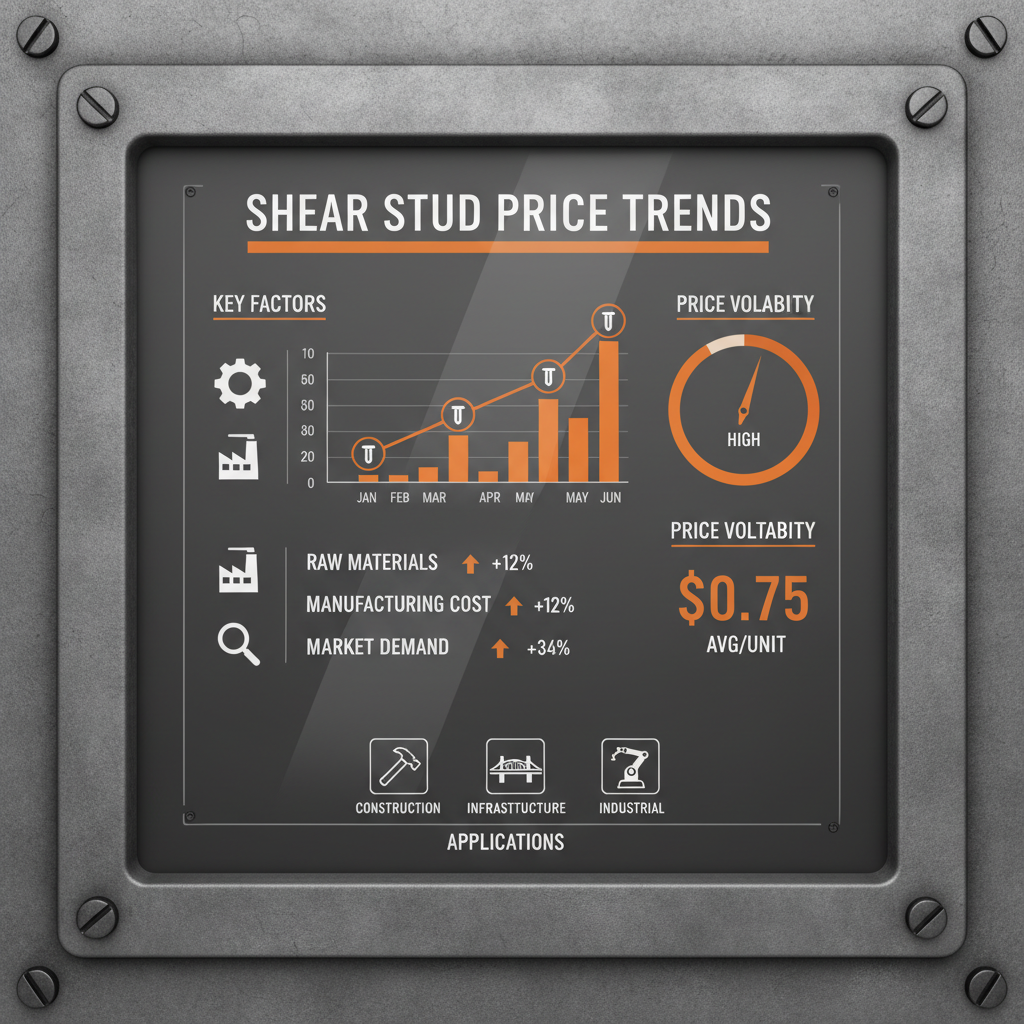
Several factors contribute to the final price of shear studs. The primary driver is the material used – typically carbon steel, but stainless steel options exist for corrosive environments. The diameter and length of the stud significantly impact the price, with larger, longer studs costing more. Order volume also plays a substantial role; bulk purchases usually qualify for discounted rates. Manufacturing processes, coating requirements (e.g., zinc coating for corrosion resistance), and supplier location also affect the overall cost. Finally, market fluctuations in raw material prices, particularly steel, can cause price volatility.
Key Highlights: Material type, dimensions, order quantity, coating, and market conditions all play a crucial role in determining shear stud prices.
Types of Shear Studs and Their Price Variations
Different types of shear studs cater to specific application requirements. The most common type is the headed shear stud, welded to the steel deck and cast into the concrete. The price of headed studs varies based on head diameter and stud length. Other types include deformed shear studs, which provide enhanced pullout resistance, and powder-actuated studs, used in specific applications. Stainless steel shear studs, while more expensive upfront, offer superior corrosion resistance and may be cost-effective in harsh environments. Choosing the right type for your project is essential, balancing performance requirements with budgetary constraints.
Shear Stud Type Benefits:
• Headed Studs: Most common, cost-effective.
• Deformed Studs: Higher pullout resistance.
• Stainless Steel Studs: Excellent corrosion resistance.
• Powder-Actuated Studs: Specialized applications.
Shear Stud Price Comparison: Material & Size
The following table provides a general price range for common shear stud sizes and materials. These prices are estimates and can vary depending on the supplier, quantity, and current market conditions.
Choosing a Reliable Shear Stud Supplier
Selecting a reputable supplier is vital. Look for suppliers with a proven track record of quality, timely delivery, and competitive pricing. HBXZ Fastener is a leading manufacturer and supplier of shear studs, offering a wide range of sizes and materials to meet diverse project needs. Verify that the supplier's products meet relevant industry standards (e.g., AWS D1.1). Request certifications and test reports to ensure quality control. Consider factors such as lead times, shipping costs, and customer support when making your decision.
Maximizing Value When Purchasing Shear Studs
To optimize your budget, consider purchasing shear studs in bulk to take advantage of volume discounts. Plan your procurement strategically to avoid rush orders, which often come with premium pricing. Compare quotes from multiple suppliers to ensure you're getting the best possible deal. Don't solely focus on the price; consider the supplier's reputation, product quality, and delivery reliability. Negotiate payment terms and shipping costs to further reduce your overall expenditure.
Conclusion: Informed Purchasing for Optimal Results
Understanding the factors impacting shear stud price is key to successful project management. By carefully evaluating your needs, comparing suppliers, and negotiating effectively, you can secure high-quality shear studs at a competitive price, ensuring the structural integrity and longevity of your composite construction projects.
Frequently Asked Questions (FAQs)
What is the typical lead time for shear stud orders?
Lead times can vary significantly depending on the supplier, order volume, and material availability. Generally, standard shear stud sizes with readily available materials can be shipped within 1-2 weeks. For larger orders, custom sizes, or stainless steel studs, lead times may extend to 4-6 weeks or longer. It’s always best to confirm lead times with your supplier before placing an order to ensure it aligns with your project schedule. Factors such as international shipping and customs clearance can also impact delivery times.
What standards should shear studs meet?
Shear studs should typically meet the requirements of AWS D1.1, “Structural Welding Code – Steel,” which specifies the design, fabrication, and welding of steel structures. They should also conform to ASTM A108, “Standard Specification for Steel Studs,” which outlines material and dimensional requirements. Certifications from reputable testing laboratories demonstrate compliance with these standards. Always verify that the shear studs you purchase are certified to meet the relevant standards for your specific application.
How are shear studs installed?
Shear studs are typically installed using arc welding. A specialized shear stud welding machine is used to create a strong, reliable connection between the stud and the steel deck. The welding process involves cleaning the steel surface, positioning the stud, and applying a controlled electrical arc. Proper welding technique is crucial to ensure the integrity of the connection. Qualified and certified welders should perform the installation to meet project specifications and industry standards.
What is the role of coating on shear studs?
Coatings, such as zinc, are applied to shear studs to provide corrosion resistance, especially in environments exposed to moisture or corrosive substances. The coating protects the steel from rust and deterioration, extending the lifespan of the connection. The type of coating should be selected based on the specific environmental conditions. Zinc coatings are common, but other options like epoxy coatings may be used for more demanding applications.
-
Guide to High Quality Stainless Steel Expansion FastenersNewsApr.16,2026
-
Plastic Expanding Nut Guide for Applications and BenefitsNewsApr.16,2026
-
High Efficiency Fastening Guide for Plastic Expansion RivetsNewsApr.16,2026
-
Ultimate Guide to Industrial Sheet Metal Expansion AnchorsNewsApr.16,2026
-
Guide to Choosing and Installing the Right Metal Expansion ScrewNewsApr.16,2026
-
Metal Expansion Nut Guide for Industrial Strength and StabilityNewsApr.16,2026