
Understanding Shear Connector Studs for Reliable Composite Construction
Understanding Shear Connector Studs for Robust Construction
Shear connector studs are critical components in composite steel-concrete construction, enabling a strong, reliable connection between the two materials. These studs, typically welded to the steel section, interlock with the concrete once it's poured, effectively transferring shear forces. Choosing the right shear connector studs is paramount for structural integrity and longevity. At HBXZ Fastener, we specialize in providing high-quality shear connector studs for diverse construction applications. This article will delve into the different types, applications, standards, and considerations when selecting shear connector studs, equipping you with the knowledge to make informed decisions for your projects.
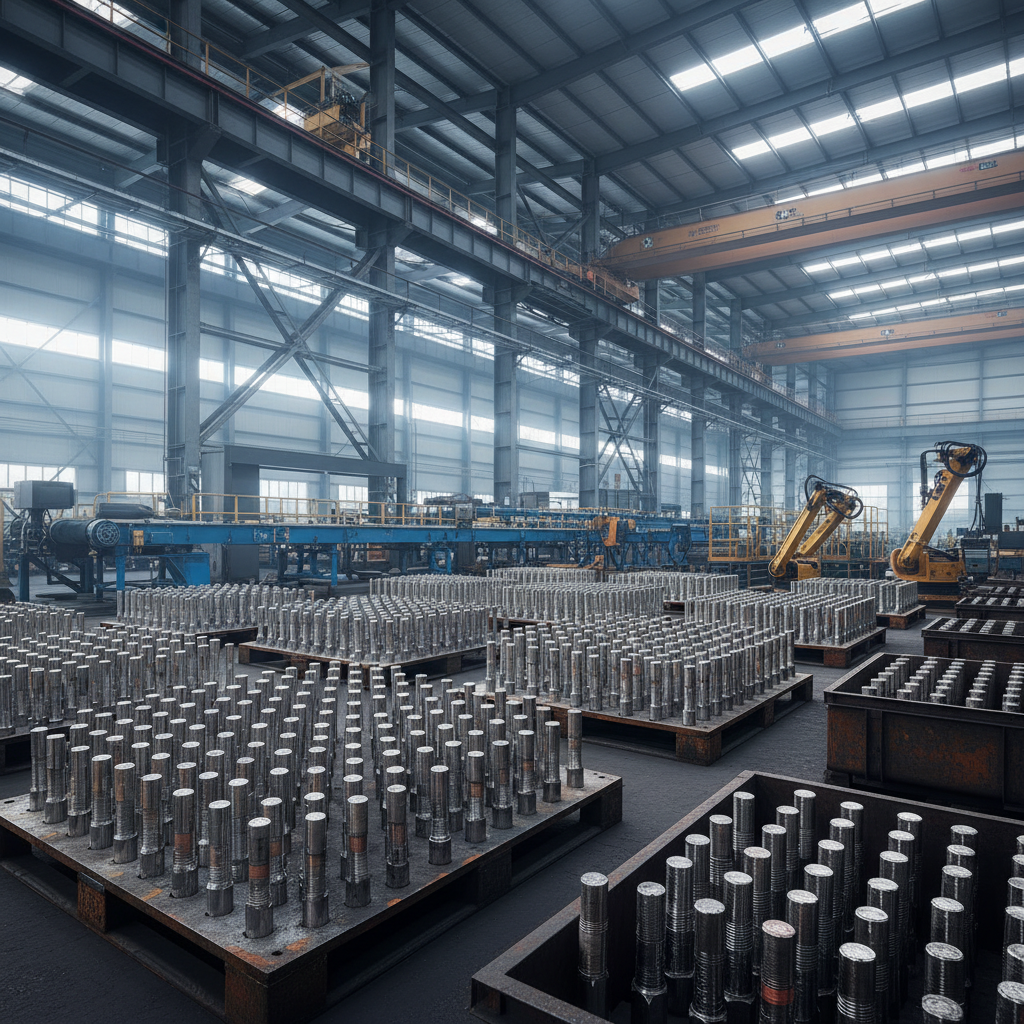
What are Shear Connector Studs and Why are They Important?
Shear connector studs are short, cylindrical steel fasteners designed to create a composite action between steel beams and concrete slabs. This composite action means the steel and concrete act as a single unit, significantly increasing the load-carrying capacity and stiffness of the structure. Without these studs, the steel and concrete would act independently, leading to slippage and reduced structural performance. They prevent differential movement and distribute loads efficiently. The proper installation and selection of these studs are essential for ensuring the safety and durability of buildings, bridges, and other infrastructure projects. They are widely used in precast concrete construction, parking structures, and high-rise buildings where composite construction offers significant advantages.
Key Benefits: Enhance structural integrity, improve load distribution, increase stiffness, and promote cost-effectiveness in composite construction.
Types of Shear Connector Studs
Several types of shear connector studs are available, each with its own strengths and applications. The most common types include:
- Welded Studs: These are the most frequently used type, welded directly to the steel beam during fabrication.
- Grouted Studs: Used primarily in precast concrete elements, these studs are embedded in grout to provide a connection.
- Headed Studs: Feature a larger head for increased pullout resistance, often used in applications with high tensile forces.
- Deformed Studs: Designed with a textured surface to improve bonding with the concrete.
The selection of the appropriate stud type depends on the specific project requirements, loading conditions, and construction methods.
Shear Connector Studs Specifications and Material
Shear connector studs are manufactured to meet rigorous industry standards. Common materials include carbon steel, with specific grades like Grade 50 and Grade 75 being frequently used. The dimensions of the studs, including diameter and height, are carefully specified to ensure adequate shear capacity. Here’s a sample specification table:
Standards and Quality Control for Shear Connector Studs
Shear connector studs must comply with relevant industry standards such as AWS D1.1 (Structural Welding Code – Steel) and EN 1994-1-1 (Eurocode 4: Design of Composite Steel and Concrete Structures). At HBXZ Fastener, we maintain strict quality control procedures throughout the manufacturing process, including material testing, dimensional checks, and weld inspection, to ensure our studs meet or exceed these standards. We provide material certifications and test reports upon request, offering peace of mind to our customers.
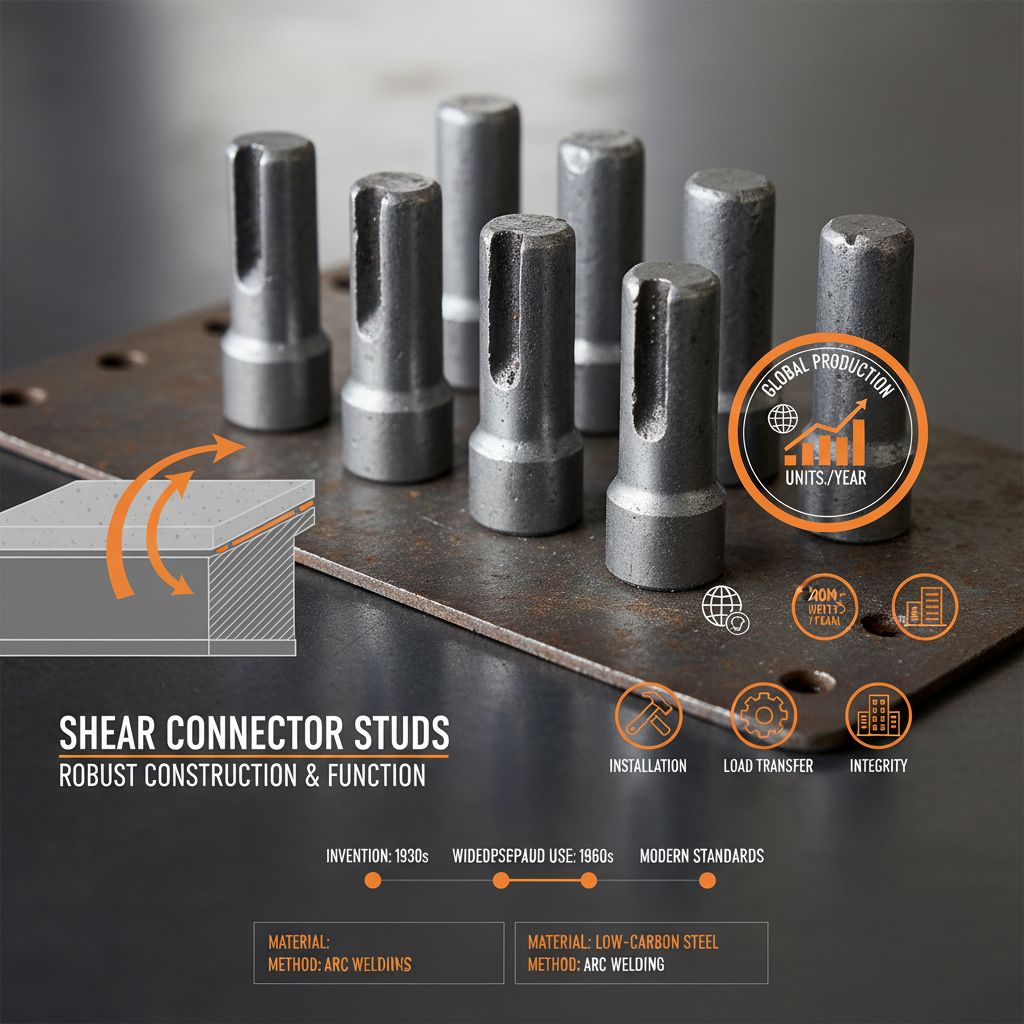
Choosing the Right Shear Connector Studs: Key Considerations
Selecting the appropriate shear connector studs requires careful consideration of several factors:
- Load Requirements: Calculate the shear forces the studs will need to withstand.
- Concrete Strength: The concrete's compressive strength influences the stud's pullout capacity.
- Steel Grade: The steel grade of the beam affects the welding process and stud performance.
- Corrosion Resistance: For exposed structures, consider studs with corrosion-resistant coatings.
- Welding Procedure: Ensure the welding procedure is appropriate for the stud material and steel grade.
Consulting with a qualified structural engineer is highly recommended to ensure proper stud selection and installation.
Conclusion: Partnering with a Reliable Supplier
Choosing the right shear connector studs is a crucial step in ensuring the structural integrity and longevity of your projects. HBXZ Fastener is dedicated to providing high-quality shear connector studs, expert technical support, and reliable delivery. We are committed to helping you succeed with your construction projects.
Frequently Asked Questions (FAQs)
What is the recommended spacing for shear connector studs?
The recommended spacing for shear connector studs depends on the load requirements, concrete strength, and steel grade. Generally, spacing ranges from 100mm to 300mm. However, it’s essential to consult with a structural engineer to determine the optimal spacing for your specific project. Factors such as the type of loading (static or dynamic) and the presence of concentrated loads will also influence the spacing. Following established codes and standards is crucial to ensure adequate shear capacity.
What welding procedures should be followed when installing shear connector studs?
Welding should be performed by certified welders using appropriate welding procedures as outlined in AWS D1.1. The welding process typically involves arc welding with a specific electrode type and current setting. It’s critical to ensure proper weld penetration and avoid any defects, such as porosity or cracks. A thorough visual inspection of the welds is essential, and non-destructive testing methods, such as ultrasonic testing, may be required for critical applications.
Are shear connector studs suitable for seismic zones?
Yes, shear connector studs are essential for ensuring the seismic performance of composite steel-concrete structures in seismic zones. They provide the necessary ductility and energy dissipation capacity to withstand earthquake forces. However, the design and detailing of the studs must comply with specific seismic design provisions outlined in relevant building codes. This includes using appropriate stud spacing, detailing, and welding procedures to ensure adequate connection strength and ductility.
-
Guide to High Quality Stainless Steel Expansion FastenersNewsApr.16,2026
-
Plastic Expanding Nut Guide for Applications and BenefitsNewsApr.16,2026
-
High Efficiency Fastening Guide for Plastic Expansion RivetsNewsApr.16,2026
-
Ultimate Guide to Industrial Sheet Metal Expansion AnchorsNewsApr.16,2026
-
Guide to Choosing and Installing the Right Metal Expansion ScrewNewsApr.16,2026
-
Metal Expansion Nut Guide for Industrial Strength and StabilityNewsApr.16,2026