
Comprehensive Guide to Shear Studs for Robust Steel Construction
Understanding Shear Studs: A Comprehensive Guide
Shear studs are critical components in composite steel construction, playing a vital role in ensuring the efficient transfer of shear forces between steel beams and concrete slabs. They are widely used in bridges, buildings, and other structures where composite action is desired. This article will delve into the functionality, types, installation, and importance of shear studs, providing a thorough overview for engineers, contractors, and anyone involved in steel construction. Understanding shear stud performance is key to designing safe and durable structures. We'll explore best practices and considerations for selecting the right shear studs for your project.
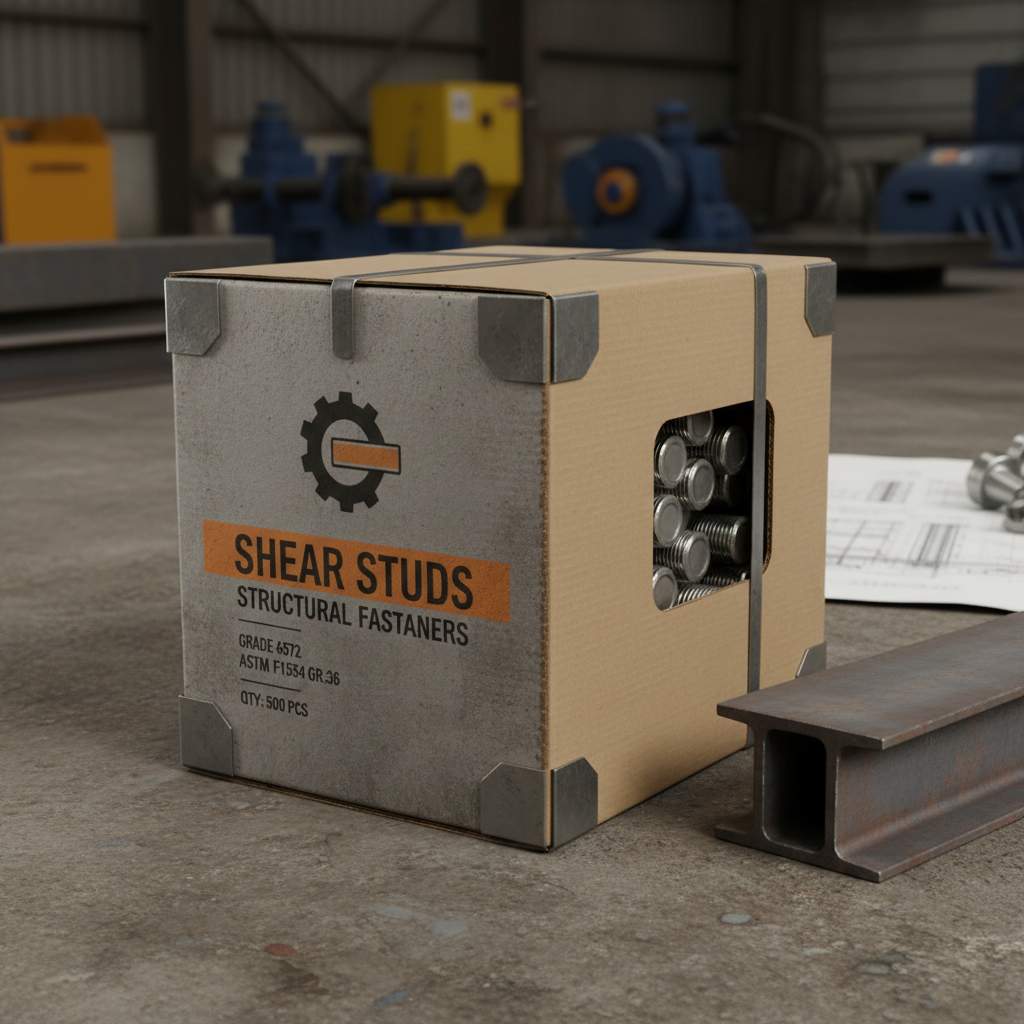
What are Shear Studs and How Do They Work?
Shear studs are typically cylindrical steel rods with a deformed head. These studs are welded onto the top flange of a steel beam before a concrete slab is cast. The deformation on the head of the stud creates a mechanical interlock with the concrete once it hardens. When a load is applied to the composite section, the shear studs resist the tendency of the concrete slab to slip relative to the steel beam, effectively transferring shear forces. This ensures that the steel and concrete act as a single, unified structural element. Without shear studs, the composite action would be significantly reduced, leading to increased deflections and potentially compromising the structural integrity. The effectiveness of a shear stud depends on its geometry, material, and quality of the weld.
Key Benefit: Enhance the load-carrying capacity of steel beams by enabling composite action with concrete slabs.
Types of Shear Studs
Shear studs come in various types, each suited for different applications and load requirements. The most common types include:
- Welded Studs: These are the most frequently used type, welded directly to the steel beam.
- Grouted Shear Connectors: Employed in precast concrete construction, where studs are placed in holes within the concrete and secured with grout.
- Headless Studs: Used in specialized applications where minimal obstruction is required.
The selection of the appropriate shear stud type depends on factors such as the concrete strength, steel grade, anticipated loads, and construction method. Choosing the correct type is vital for optimal performance and safety. HBXZ Fastener offers a comprehensive range of shear stud types to meet diverse project needs.
Shear Stud Installation: Best Practices
Proper installation is paramount to the performance of shear studs. The following steps are crucial:
- Surface Preparation: Ensure the steel beam surface is clean, dry, and free from rust, mill scale, or other contaminants.
- Stud Placement: Accurately position the studs according to the design drawings, ensuring correct spacing and alignment.
- Welding: Use the correct welding procedure and qualified welders. The weld must be full penetration and free from defects.
- Inspection: Thoroughly inspect all welds to verify quality and compliance with applicable codes and standards.
Incorrectly installed shear studs can significantly reduce the composite action and compromise the structural integrity of the building. It is highly recommended to adhere to AWS D1.1 standards and utilize certified welders.
Installation Best Practices:
• Clean and prepare the steel surface thoroughly.
• Follow the approved welding procedure specifications.
• Inspect welds for defects and ensure full penetration.
• Use qualified and certified welders.
Shear Stud Performance & Material Specifications
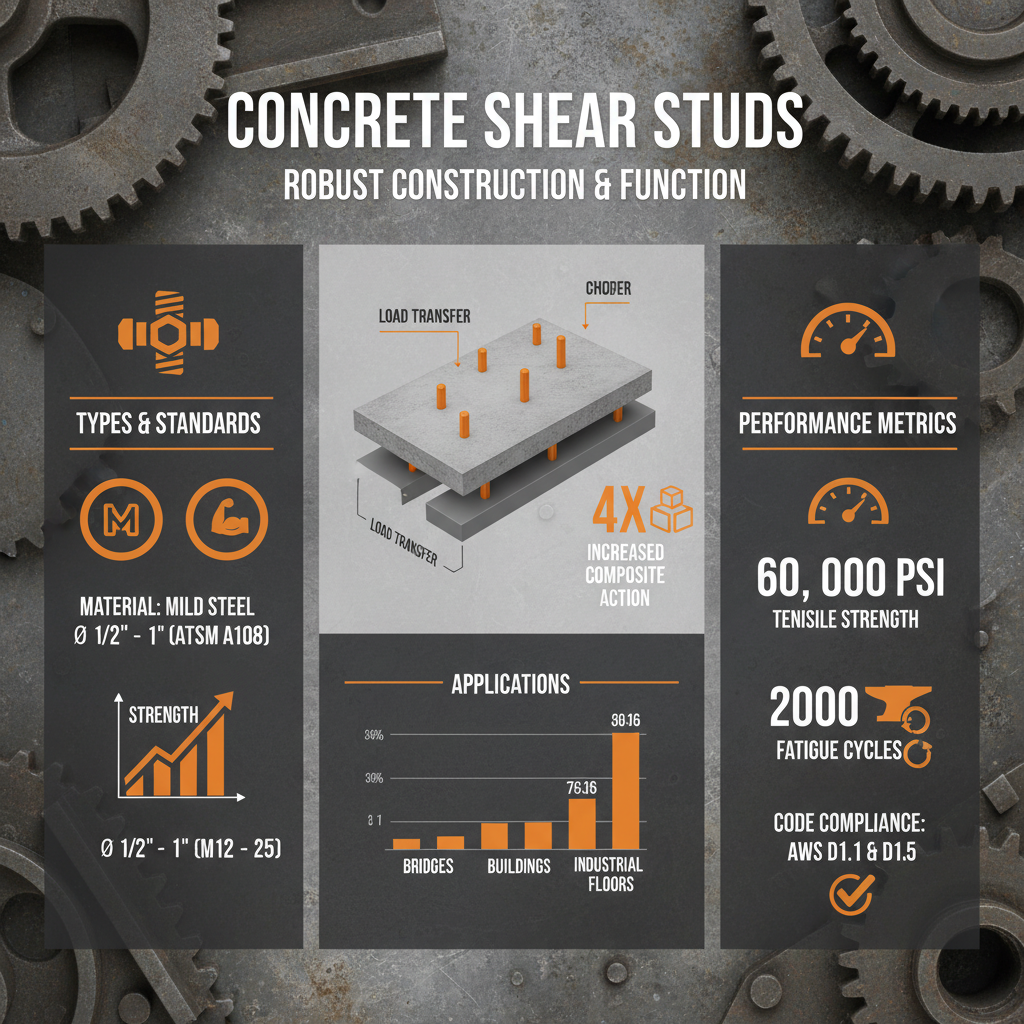
Shear stud performance is evaluated based on several factors, including ultimate shear strength, tensile strength, and ductility. Common materials used in shear stud manufacturing include:
Why Choose HBXZ Fastener for Your Shear Stud Needs?
At HBXZ Fastener, we are committed to providing high-quality shear studs that meet and exceed industry standards. We offer a comprehensive selection of shear stud types, sizes, and materials to suit any project requirement. Our dedicated team of engineers and technical experts can provide assistance with stud selection, installation guidance, and quality control. We pride ourselves on our competitive pricing, fast delivery, and exceptional customer service.
Conclusion: Ensuring Structural Integrity with Reliable Shear Studs
Investing in high-quality shear studs from a reputable supplier like HBXZ Fastener is essential for ensuring the long-term structural integrity of any composite steel construction project. Proper stud selection, installation, and inspection are critical for maximizing performance and safety. Don’t compromise on quality – choose HBXZ Fastener for your shear stud needs.
Frequently Asked Questions (FAQs)
What is the typical spacing for shear studs?
Shear stud spacing is crucial for effective load transfer. Typical spacing ranges from 4 to 12 inches, depending on the specific project requirements, concrete strength, steel grade, and applied loads. The design engineer determines the optimal spacing based on calculations and code requirements. Closer spacing generally provides higher shear capacity but also increases material and labor costs. The minimum spacing is often dictated by building codes to ensure adequate performance.
What codes and standards govern shear stud design and installation?
Several codes and standards govern the design and installation of shear studs. Key standards include the American Institute of Steel Construction (AISC) Specification for Structural Steel Buildings, AWS D1.1 Structural Welding Code – Steel, and relevant building codes such as the International Building Code (IBC). These standards provide guidelines for material selection, weld quality, stud spacing, and other critical aspects of shear stud applications. Adherence to these standards is essential for ensuring structural safety and compliance.
What factors can affect the shear capacity of shear studs?
Several factors can influence the shear capacity of shear studs, including the concrete strength, steel grade, stud diameter and height, weld quality, and stud spacing. Concrete cracking and shrinkage can also affect long-term performance. Improper welding, insufficient stud spacing, or the use of substandard materials can significantly reduce the shear capacity. Regular inspections and quality control measures are essential to ensure consistent performance.
-
Guide to High Quality Stainless Steel Expansion FastenersNewsApr.16,2026
-
Plastic Expanding Nut Guide for Applications and BenefitsNewsApr.16,2026
-
High Efficiency Fastening Guide for Plastic Expansion RivetsNewsApr.16,2026
-
Ultimate Guide to Industrial Sheet Metal Expansion AnchorsNewsApr.16,2026
-
Guide to Choosing and Installing the Right Metal Expansion ScrewNewsApr.16,2026
-
Metal Expansion Nut Guide for Industrial Strength and StabilityNewsApr.16,2026