
Comprehensive Guide to Shield Bolts for Construction and Industrial Applications
Understanding Shield Bolts: A Comprehensive Guide
Shield bolts, also known as sleeve anchors, are a vital fastening solution in a wide array of construction and industrial applications. These robust anchors provide secure and reliable holding power in concrete, brick, and block materials. This article provides an in-depth look at shield bolts, covering their features, installation, applications, and the factors to consider when selecting the right bolt for your project. We'll explore why these anchors are often preferred over other methods, and how to ensure a strong, lasting connection. For a comprehensive range of high-quality shield bolts, visit HBXZ Fastener.
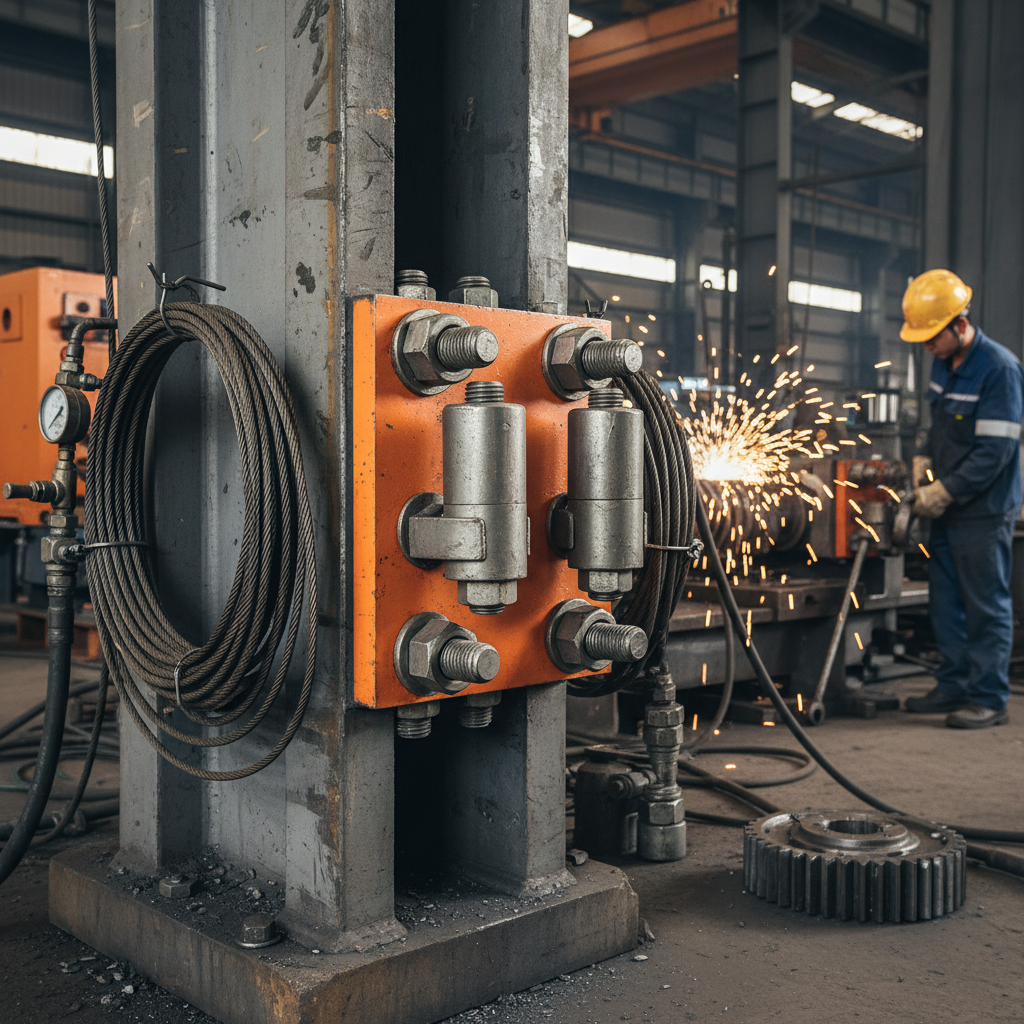
What are Shield Bolts and How Do They Work?
A shield bolt consists of a threaded bolt, a shield or sleeve, and a nut. The shield expands when the bolt is tightened, creating a secure interlock with the surrounding material. Unlike some other anchors that rely on friction, shield bolts provide a mechanical interlock, resulting in superior holding strength, particularly in tension. This makes them ideal for applications where a reliable and durable connection is essential. The shield itself is typically made of zinc-plated steel or stainless steel to resist corrosion.
Key Benefits: Superior holding strength, mechanical interlock, suitable for tension applications, corrosion resistance (depending on material).
Key Features of Shield Bolts
Shield bolts are characterized by several key features that contribute to their effectiveness. These include a robust shield design, high-quality steel construction, and precise threading. The shield’s internal splines ensure a consistent and even expansion when tightened, maximizing holding power. Different shield bolt designs are available to accommodate varying load requirements and material types. Selecting the correct size and material is critical to ensure optimal performance. You can find a variety of shield bolts engineered for diverse applications at HBXZ Fastener's online catalog.
Shield Bolts vs. Other Anchor Types: A Comparison
When choosing an anchor, it’s important to consider the alternatives. Sleeve anchors, wedge anchors, and drop-in anchors all serve similar purposes, but differ in their installation methods and holding capabilities. Shield bolts generally offer superior holding power in tension compared to sleeve anchors and are easier to install than wedge anchors. They also outperform drop-in anchors in situations requiring high vibration resistance.
Applications of Shield Bolts
Shield bolts are used in a vast range of applications, including: securing machinery to concrete floors, attaching structural steel to concrete foundations, installing safety rails and handrails, mounting electrical conduits and boxes, and anchoring signage. Their versatility and strength make them a go-to solution for construction professionals, engineers, and DIY enthusiasts alike. Common industries utilizing shield bolts include construction, manufacturing, infrastructure, and automotive.
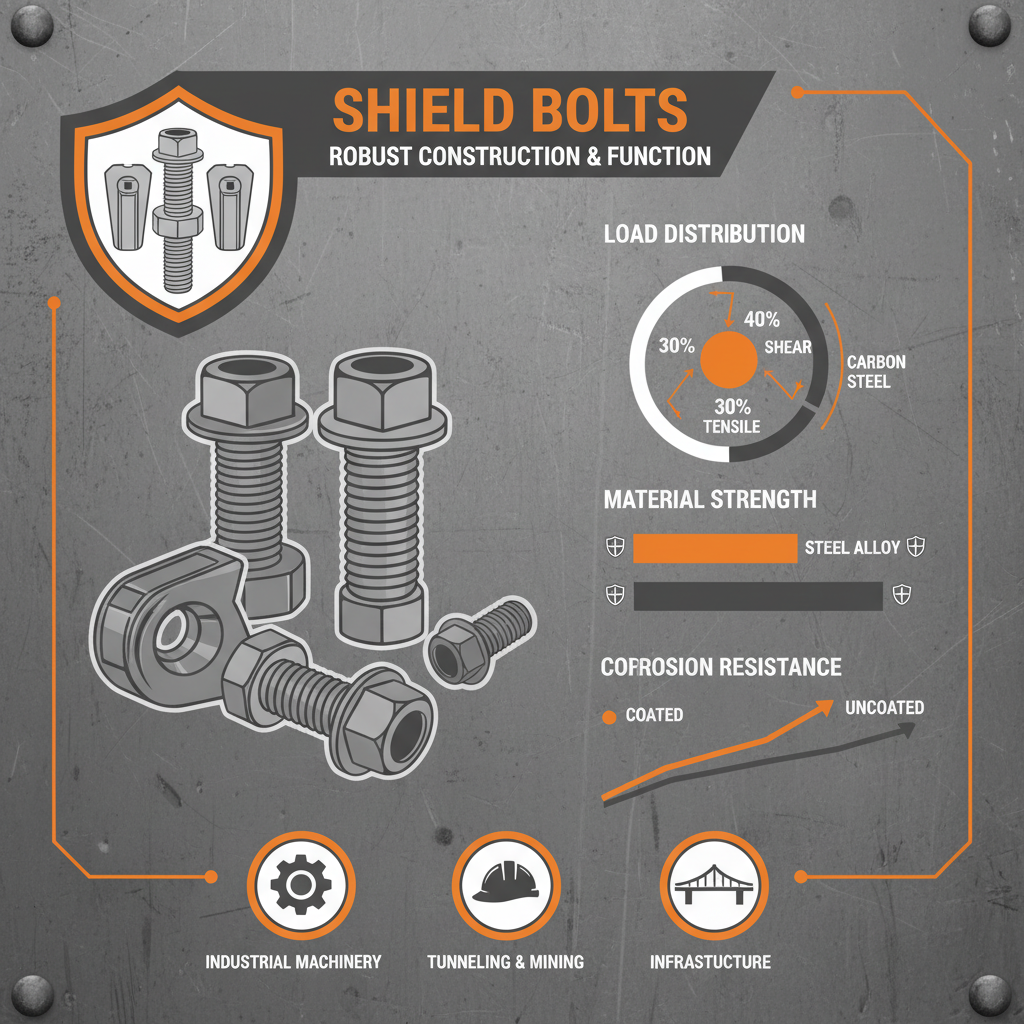
Selecting the Right Shield Bolt: A Guide
Choosing the appropriate shield bolt involves several considerations. The first is the material you're anchoring into – concrete, brick, or block. Then, determine the required load capacity and ensure the bolt is rated for that weight. Consider the environmental conditions; stainless steel shield bolts are recommended for corrosive environments. Finally, choose the correct diameter and length to provide sufficient embedment depth and holding power. HBXZ Fastener offers expert guidance to help you select the perfect shield bolt for your specific application.
Conclusion: Reliable Fastening with Shield Bolts
Shield bolts provide a robust and dependable fastening solution for a wide array of applications. Their mechanical interlock, combined with high-quality materials, ensures a secure and long-lasting connection. By understanding the different types of shield bolts and considering the specific requirements of your project, you can select the optimal anchor for your needs. Explore the comprehensive selection of shield bolts at HBXZ Fastener today.
Frequently Asked Questions (FAQs)
What is the minimum embedment depth for a shield bolt?
The minimum embedment depth for a shield bolt is crucial for achieving optimal holding power. Generally, the embedment depth should be at least twice the diameter of the bolt. For example, a 1/2 inch shield bolt should have a minimum embedment depth of 1 inch. However, always refer to the manufacturer's specifications, as embedment depth requirements can vary depending on the specific bolt design and the material being anchored into. Insufficient embedment depth can significantly reduce the anchor's load capacity.
Can shield bolts be used in cracked concrete?
While shield bolts can be used in cracked concrete, it's essential to choose a bolt specifically designed and tested for this application. European Technical Approval (ETA) guidelines outline requirements for anchors used in cracked concrete, including specific testing criteria and performance requirements. Look for shield bolts that have been tested and certified according to these standards. Using an unapproved anchor in cracked concrete can compromise the structural integrity of the connection.
What tools are required for installing shield bolts?
Installing shield bolts typically requires a hammer drill with a carbide-tipped drill bit sized appropriately for the bolt diameter, the shield bolts themselves, a wrench or socket set for tightening the bolts, and potentially a vacuum cleaner to remove dust from the drilled hole. For large-scale installations, a rotary hammer can significantly speed up the drilling process. Always wear appropriate safety gear, including eye protection and hearing protection.
How do I prevent corrosion of shield bolts?
To prevent corrosion, use shield bolts made of stainless steel or other corrosion-resistant materials, especially in environments exposed to moisture, salt, or chemicals. For carbon steel shield bolts, consider using a corrosion-inhibiting coating or galvanization. Additionally, ensure the surrounding concrete or masonry is properly sealed to prevent water penetration. Regular inspection and maintenance can also help identify and address corrosion issues before they become severe.
-
Guide to High Quality Stainless Steel Expansion FastenersNewsApr.16,2026
-
Plastic Expanding Nut Guide for Applications and BenefitsNewsApr.16,2026
-
High Efficiency Fastening Guide for Plastic Expansion RivetsNewsApr.16,2026
-
Ultimate Guide to Industrial Sheet Metal Expansion AnchorsNewsApr.16,2026
-
Guide to Choosing and Installing the Right Metal Expansion ScrewNewsApr.16,2026
-
Metal Expansion Nut Guide for Industrial Strength and StabilityNewsApr.16,2026