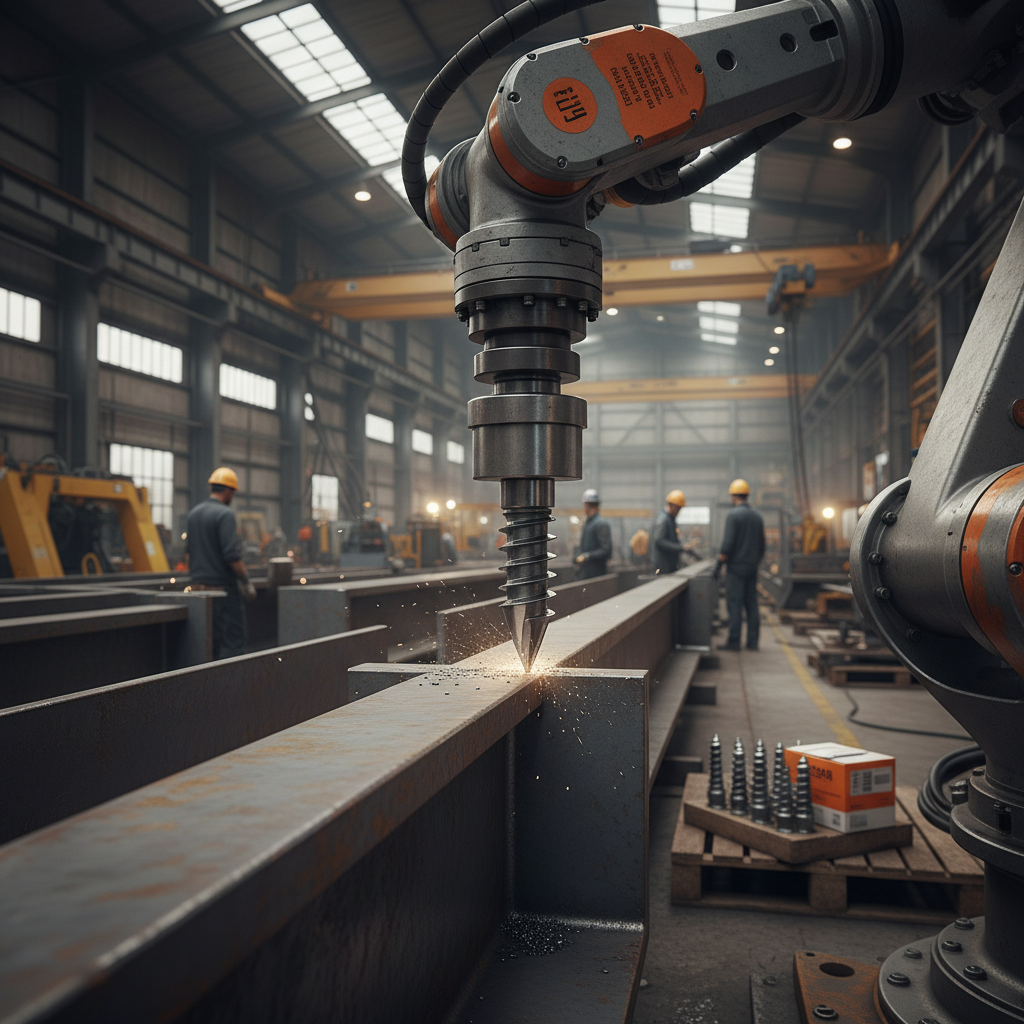
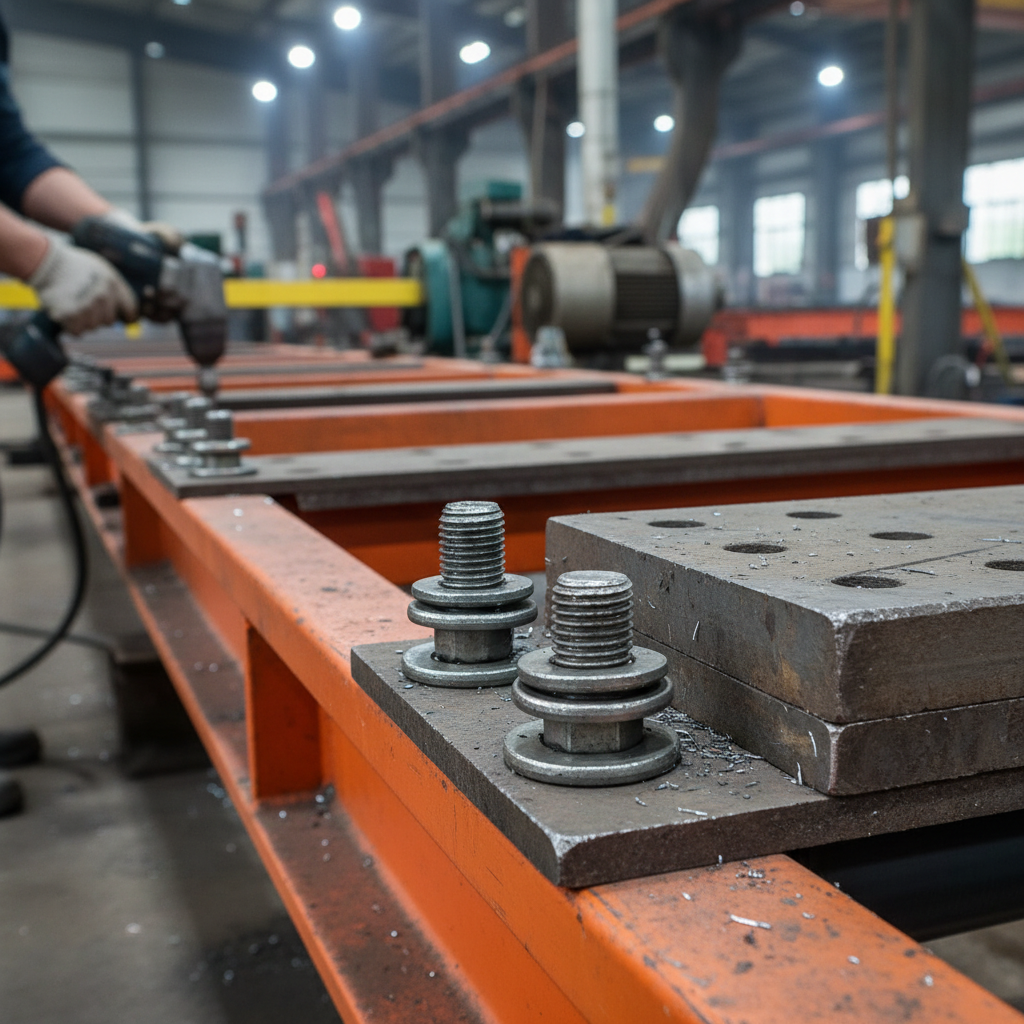
Strong point self drilling screws represent a vital fastening solution across a multitude of industries, offering a streamlined and efficient method for joining materials. Their ability to drill, tap, and fasten in a single operation significantly reduces installation time and labor costs, making them indispensable in construction, manufacturing, and infrastructure projects. The demand for these screws is globally significant, driven by the continued growth in these sectors and the increasing need for rapid and reliable assembly techniques.
The relevance of strong point self drilling screws extends beyond mere convenience; they contribute to enhanced structural integrity and project efficiency. They are particularly crucial in applications where precise and secure fastening is paramount, such as metal roofing, HVAC systems, and automotive assembly. Furthermore, advancements in materials and coatings are constantly improving the performance and durability of these screws, expanding their applicability to increasingly demanding environments.
Understanding the nuances of strong point self drilling screws - from material selection to proper installation techniques - is essential for engineers, contractors, and maintenance personnel alike. Choosing the right screw for the application not only ensures a secure connection but also optimizes long-term performance and minimizes the risk of failure. This knowledge empowers professionals to make informed decisions, leading to safer, more durable, and cost-effective projects.
Introduction to Strong Point Self Drilling Screws
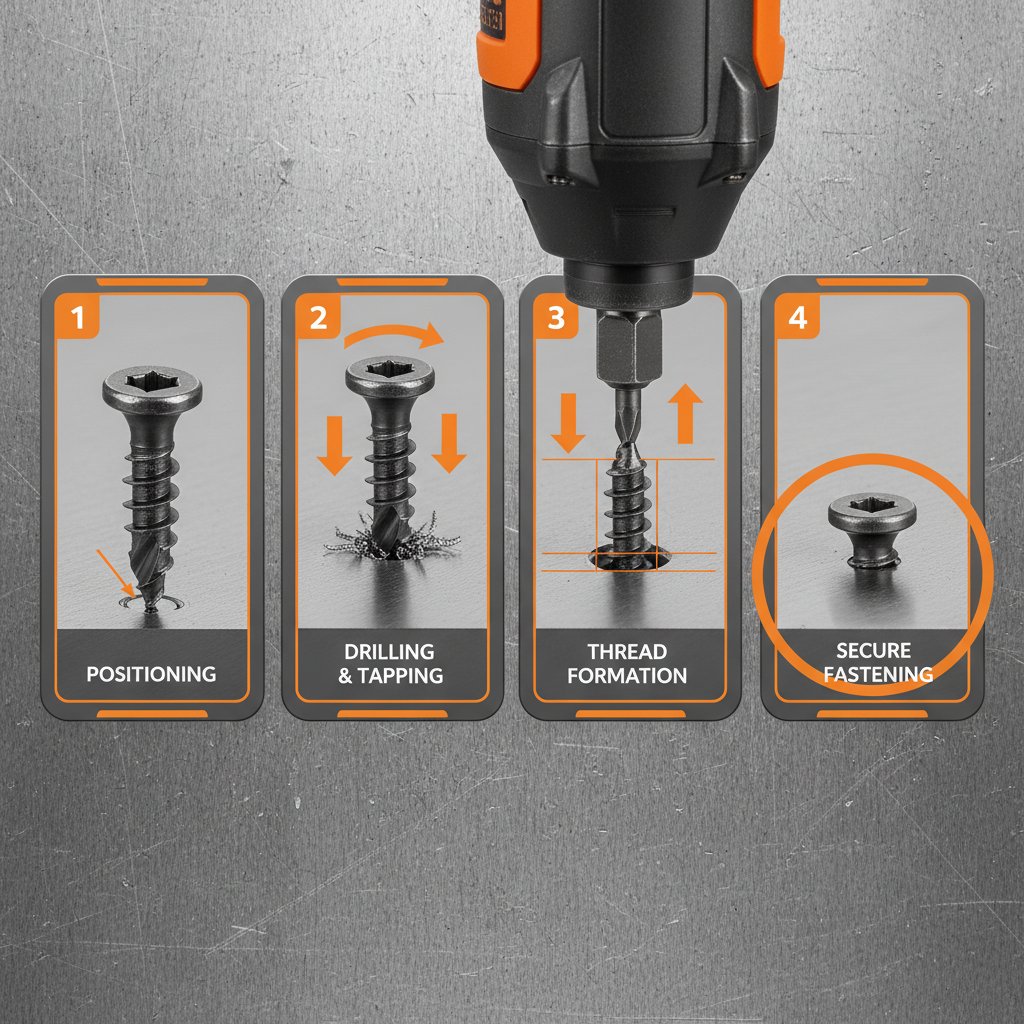
Strong point self drilling screws are engineered for efficiency, simplifying the fastening process by combining drilling and tapping into a single step. This significantly reduces assembly time and associated labor expenses, making them a preferred choice for numerous applications. The inherent design minimizes the need for pre-drilling, streamlining workflows and improving overall project speed.
These screws are manufactured from hardened steel alloys, often with specialized coatings, to ensure durability and resistance to corrosion. This ensures a long-lasting and reliable connection, even in harsh environmental conditions. The pointed tip allows for quick and easy penetration into various materials, including metal, plastic, and wood, depending on the screw’s specific design and composition.
Global Significance and Industry Context
The global market for self-drilling screws, including strong point varieties, is substantial and continually growing. According to industry reports, the fastening solutions market is projected to reach [insert statistics here - e.g., $XX billion by 2028], driven by the expansion of construction, automotive, and manufacturing sectors worldwide. This growth is particularly pronounced in emerging economies with rapid infrastructure development.
A key challenge faced by these industries is the need for faster, more efficient, and more reliable fastening methods. Traditional methods often require multiple steps, specialized tools, and skilled labor, leading to increased costs and potential delays. Strong point self drilling screws directly address this challenge by offering a streamlined solution that reduces complexity and improves productivity.
The ISO standards for fasteners play a critical role in ensuring the quality and consistency of strong point self drilling screws, enabling global trade and facilitating seamless integration across diverse projects. Compliance with these standards is essential for manufacturers to demonstrate the reliability and performance of their products.
Defining Strong Point Self Drilling Screws
Strong point self drilling screws are a type of screw specifically designed to create their own threads as they are driven into a material. This eliminates the need for pre-drilling pilot holes, saving time and labor. The 'strong point' refers to the hardened tip of the screw, which is crucial for initiating the drilling process and ensuring clean, accurate penetration.
They differ from standard screws by incorporating a drill-like tip and aggressive threads designed to cut through the material. This makes them ideal for fastening into thin metal sheets, plastics, and even wood, without the risk of splitting or damaging the material. strong point self drilling screws are a cost-effective alternative to welding or riveting in many applications.
Their connection to modern industry is significant. They are foundational to quick assembly lines in automotive production, roofing systems in construction, and the secure mounting of HVAC components. The ability to quickly and reliably fasten materials contributes to increased efficiency and reduced production costs, crucial elements in today's competitive global market.
Core Components and Key Factors
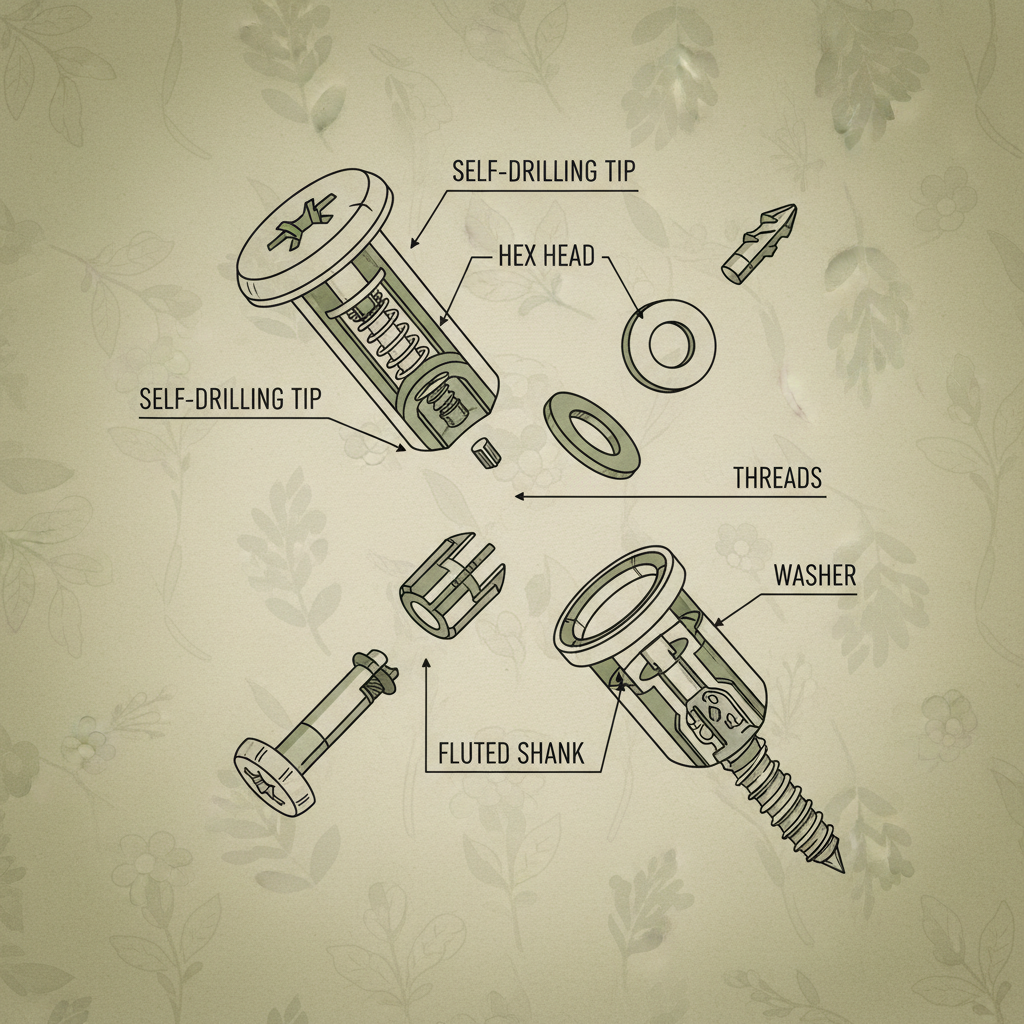
Several core components contribute to the effectiveness of strong point self drilling screws. These include the screw head style (pan, flat, hex, etc.), the screw material (carbon steel, stainless steel, alloy steel), the thread design (coarse, fine), and the tip geometry (sharp point, blunt point). Each element influences the screw's performance and suitability for specific applications.
Durability is paramount. High-quality steel alloys and protective coatings, such as zinc or phosphate, resist corrosion and wear, ensuring a long-lasting connection. Scalability refers to the availability of these screws in a wide range of sizes and materials to accommodate diverse fastening needs. Cost efficiency is also a key factor, with self-drilling screws often being more economical than alternative fastening methods when factoring in labor and material costs.
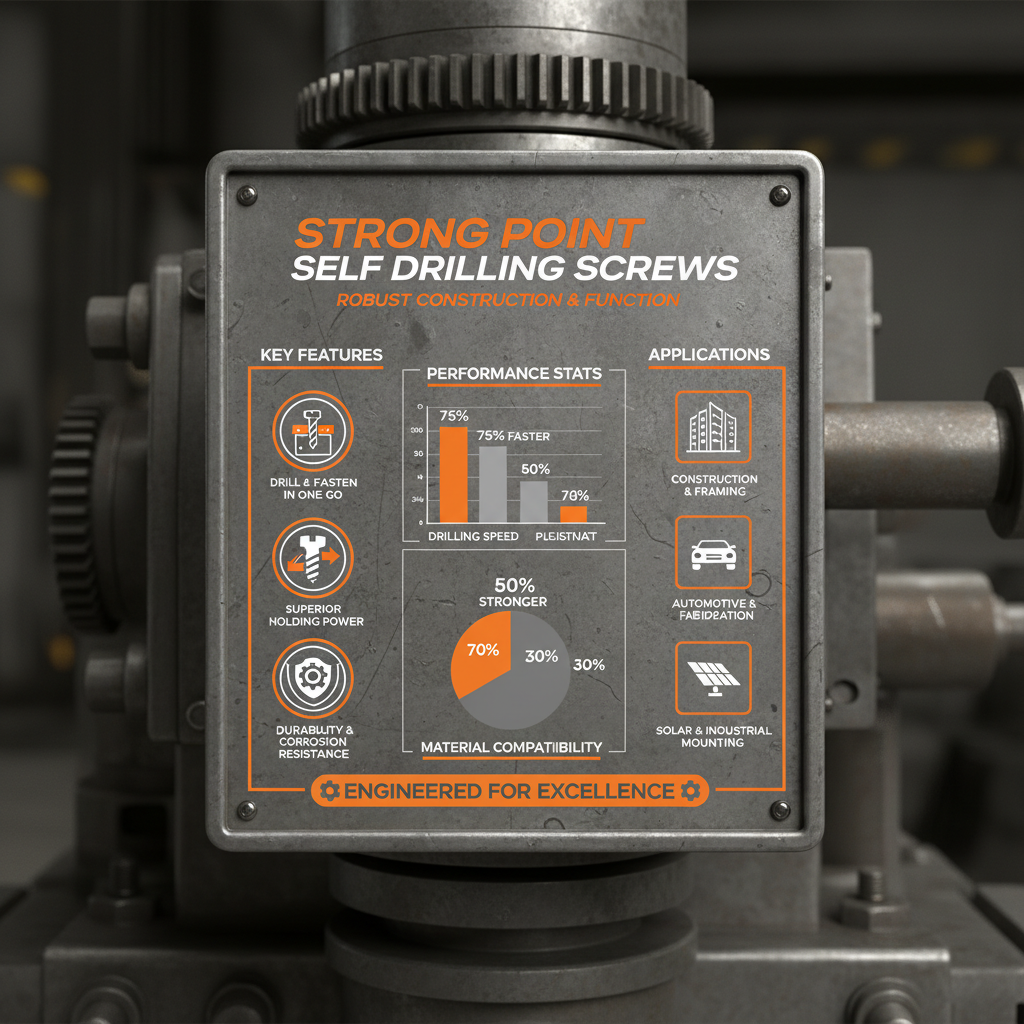
Strong Point Self Drilling Screw Performance Metrics
Applications Across Industries
Strong point self drilling screws find extensive use in the construction industry, particularly in metal building applications, roofing, and siding. They are also widely used in the HVAC industry for securing ductwork and mounting equipment. The automotive sector relies heavily on these screws for assembling body panels and interior components.
In post-disaster relief operations, these screws offer a rapid and effective solution for constructing temporary shelters and repairing damaged infrastructure. Their ease of use and minimal tool requirements make them invaluable in challenging field conditions. In remote industrial zones, where access to specialized equipment is limited, strong point self drilling screws provide a reliable fastening solution.
Benefits and Long-Term Value
The benefits of using strong point self drilling screws are multifaceted. Cost savings are realized through reduced labor time and elimination of pre-drilling. Sustainability is enhanced by minimizing material waste and energy consumption. Social impact is positive by enabling faster construction and improved infrastructure, ultimately benefitting communities.
Reliability is key – a secure fastening provides peace of mind and reduces the risk of structural failures. Emotional benefits arise from knowing that structures are safely and securely built. Logically, reduced maintenance and repair costs over the lifespan of a project contribute to significant long-term value. These screws build trust in the quality and durability of a finished project.
Future Trends and Innovations
Future trends point towards the development of more specialized strong point self drilling screws tailored to specific materials and applications. Research into new coating technologies aims to further enhance corrosion resistance and durability. Automation in manufacturing processes will likely lead to even lower production costs and increased availability.
The integration of digital technologies, such as smart fasteners equipped with sensors, could provide real-time data on connection integrity and structural performance. Sustainability will continue to drive innovation, with a focus on developing screws from recycled materials and reducing the environmental impact of production processes. The ongoing need to streamline and enhance efficiency continues to highlight the value of strong point self drilling screws.
The demand for lightweight materials in industries like aerospace and automotive will push the development of high-strength, self-drilling screws made from advanced alloys and composite materials.
FAQS
Strong point self drilling screws are versatile and commonly used with metal sheeting (steel, aluminum), plastics, and even wood, although performance varies depending on material density and screw type. Stainless steel options expand compatibility to corrosive environments. Proper selection considers the material’s thickness and the screw's drill point characteristics to ensure optimal penetration and thread formation.
Determining the correct size involves considering the thickness of the materials being joined, the desired holding strength, and the screw’s diameter and length. A general rule is to ensure the screw penetrates at least two threads into the base material. Consult manufacturer specifications and application guidelines for precise recommendations based on specific project requirements.
While both eliminate the need for pre-drilling, they differ in function. Self-drilling screws have a drill-like point to create their own hole, whereas self-tapping screws require a pre-drilled pilot hole. Self-drilling screws are more efficient for thinner materials, while self-tapping screws are suitable for thicker materials where more controlled thread formation is desired.
Standard carbon steel screws are susceptible to corrosion in saltwater. However, stainless steel or specialized coated strong point self drilling screws are specifically designed for marine applications and provide excellent resistance to saltwater corrosion. Always select the appropriate material based on the environmental conditions.
Installation typically requires a drill or impact driver with a compatible bit. A screw gun with adjustable clutch settings is recommended to prevent overdriving the screw and damaging the material. For larger screws or demanding applications, a more powerful drill may be necessary.
Using the correct bit size and type is crucial. Apply consistent pressure while driving the screw and avoid excessive speed. Adjusting the clutch setting on your drill or impact driver can help prevent overdriving. Using a high-quality screw also minimizes the risk of stripping.
Conclusion
In conclusion, strong point self drilling screws represent a significant advancement in fastening technology, offering a versatile, efficient, and cost-effective solution for a wide range of applications. Their ability to streamline assembly processes, enhance structural integrity, and reduce labor costs makes them an invaluable asset across numerous industries, from construction and automotive to HVAC and disaster relief. Understanding their characteristics and proper application is key to maximizing their benefits.
Looking ahead, continuous innovation in materials, coatings, and digital integration will further enhance the performance and applicability of strong point self drilling screws. Embracing these advancements will enable professionals to build safer, more durable, and more sustainable structures. Visit our website at www.hbxzfastener.com to explore our comprehensive range of strong point self drilling screws and find the perfect solution for your next project.