
Understanding and Preventing Anchor Loose Bolt Issues for Structural Integrity
Understanding and Preventing an Anchor Loose Bolt
A loose anchor bolt can lead to serious structural issues, safety hazards, and costly repairs. Whether you're securing machinery, building components, or critical infrastructure, ensuring these bolts remain tight is paramount. This article delves into the causes of anchor bolt loosening, prevention methods, detection techniques, and appropriate solutions. We’ll cover best practices for installation, maintenance, and the types of fasteners best suited to minimize this risk. Ignoring a seemingly small loose bolt can have cascading consequences, so proactive attention is vital.
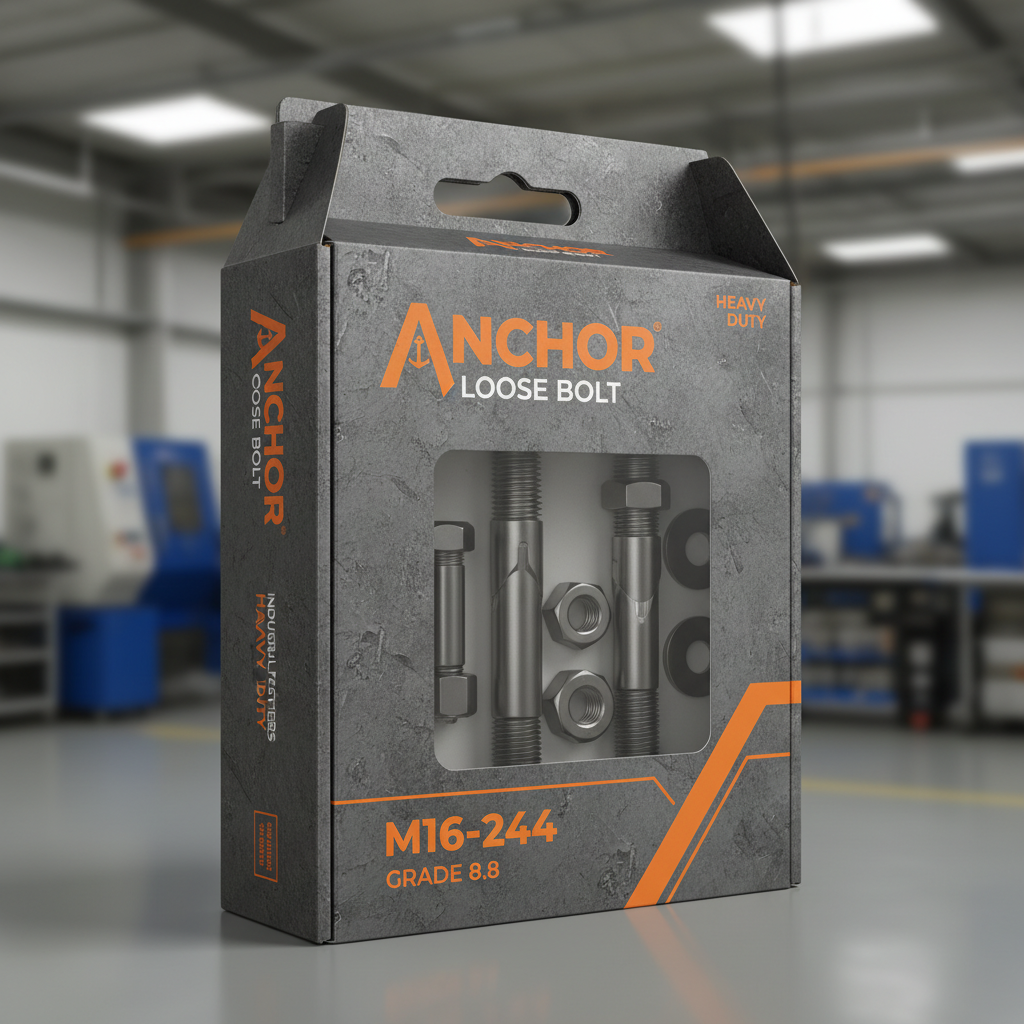
Common Causes of Anchor Bolt Loosening
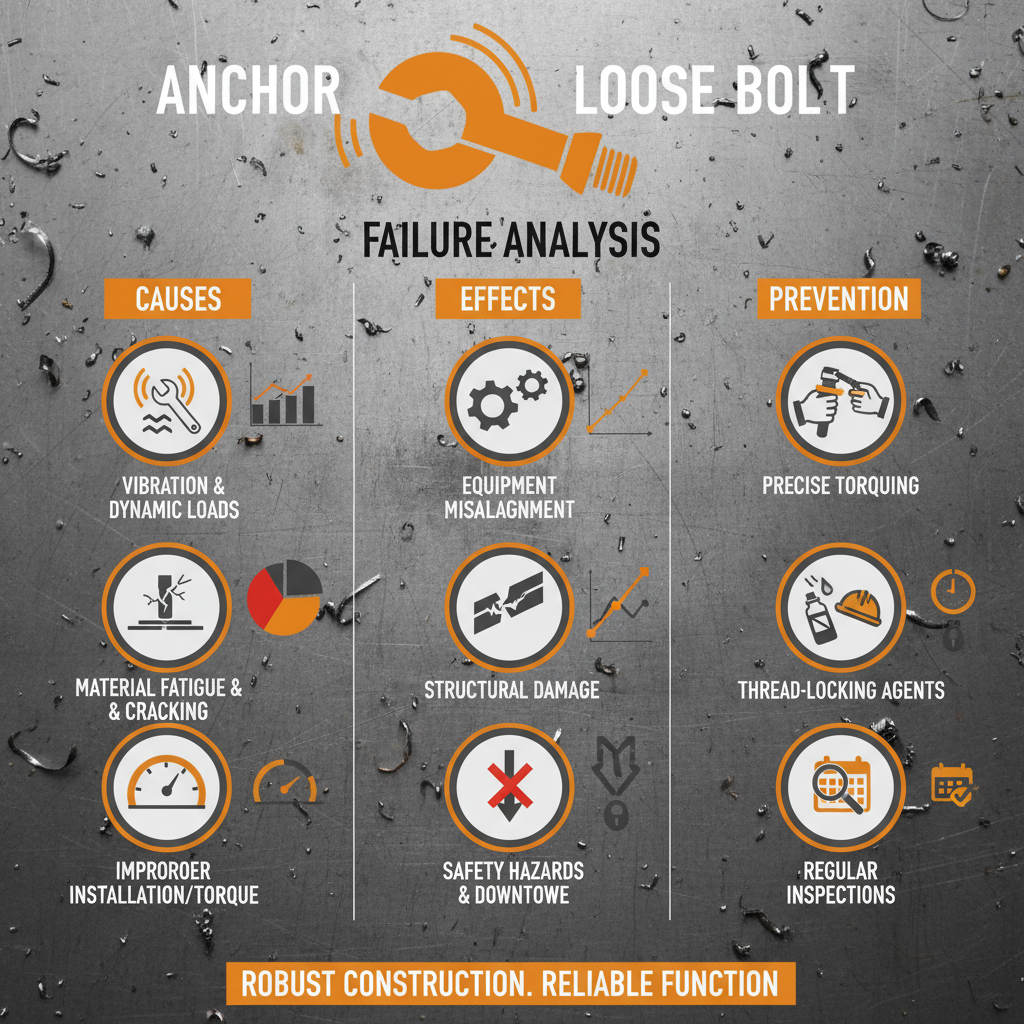
Several factors contribute to anchor bolts becoming loose. Understanding these causes is the first step towards effective prevention. Vibration, particularly in machinery applications, is a primary culprit. Thermal expansion and contraction due to temperature fluctuations can also create stress and loosening. Improper installation, including insufficient tightening torque or inadequate embedment depth, significantly increases the risk. Creep, the slow and permanent deformation of materials under sustained stress, can also play a role over time. Lastly, dynamic loads, like those experienced in earthquake-prone areas or during impact events, can compromise anchor bolt integrity. Addressing these potential causes proactively is crucial for long-term stability.
Key Contributing Factors: Vibration, Thermal Expansion, Improper Installation, Creep, and Dynamic Loads.
Prevention Strategies: Installation Best Practices
The most effective approach to dealing with a anchor loose bolt is to prevent it from happening in the first place. Proper installation is critical. This includes using the correct anchor bolt type for the application and substrate material. Adhering to recommended embedment depths and spacing is also essential. Crucially, utilize a calibrated torque wrench to achieve the manufacturer's specified tightening torque. Consider using a locking mechanism, such as lock washers or thread-locking compounds, to enhance resistance to loosening. Finally, verify the alignment of the anchored component to minimize stress on the bolts.
Installation Checklist:
• Correct Anchor Bolt Type
• Proper Embedment Depth & Spacing
• Calibrated Torque Wrench
• Locking Mechanisms (Washers/Compounds)
• Component Alignment Verification
Choosing the Right Anchor Bolt for the Job
Not all anchor bolts are created equal. Selecting the correct type for your specific application is crucial. Wedge anchors are ideal for solid concrete, providing high holding strength. Sleeve anchors are suitable for hollow concrete or brick. Chemical anchors utilize adhesive to bond the bolt to the substrate, offering exceptional performance in various materials. Drop-in anchors are convenient for retrofits. Consider the load requirements, substrate material, and environmental conditions when making your selection. Using the wrong type can significantly increase the risk of loosening and failure.
Detecting a Loose Anchor Bolt: Regular Inspection
Regular inspections are vital for identifying a anchor loose bolt before it causes significant problems. Visually inspect for signs of movement, such as cracks around the anchor point or misalignment of the attached component. Attempt to gently tighten the bolt; any noticeable movement indicates loosening. For critical applications, consider using a torque wrench to periodically verify the tightening torque. Utilizing a vibration monitoring system can also provide early warnings of potential loosening in machinery applications. Early detection allows for prompt corrective action, preventing more extensive damage.
Remedial Actions: Addressing a Loose Bolt
If you discover a loose anchor bolt, the appropriate response depends on the severity of the loosening. Attempt to re-tighten the bolt to the manufacturer's specified torque. If the bolt continues to loosen, the anchor may be damaged or the substrate compromised. In such cases, replacement of the anchor bolt is necessary. For chemical anchors, a full replacement of the adhesive and bolt is required. Consult with a structural engineer if the loosening is significant or if you suspect structural damage. Don’t simply ignore a loose bolt; address it promptly to avoid potential safety hazards and costly repairs.
Conclusion: Proactive Management for Long-Term Stability
Preventing anchor bolt loosening requires a proactive approach, encompassing proper installation techniques, careful material selection, and regular inspections. By understanding the causes of loosening and implementing preventative measures, you can ensure the long-term stability and safety of your structures and equipment. Don't underestimate the importance of this critical component – proactive management is key.
Frequently Asked Questions (FAQs)
What torque should I use when tightening anchor bolts?
The appropriate torque value is determined by the anchor bolt's diameter, material grade, and the substrate it's being installed into. Always refer to the manufacturer’s specifications for the specific anchor bolt you are using. Using a torque wrench calibrated to the correct units (e.g., foot-pounds, Newton-meters) is essential to avoid over-tightening or under-tightening. Over-tightening can strip the threads or damage the substrate, while under-tightening can lead to loosening and failure. Proper torque ensures optimal clamping force and prevents premature loosening.
How often should I inspect my anchor bolts?
The frequency of inspection depends on the application and the severity of the operating conditions. For critical applications subject to vibration or dynamic loads, monthly inspections are recommended. For less demanding applications, quarterly or annual inspections may suffice. Always inspect after any significant event, such as an earthquake or impact. Document your inspections to track trends and identify potential issues early on.
Can I reuse an anchor bolt if it has been removed?
Generally, it’s not recommended to reuse an anchor bolt. Once an anchor bolt has been installed and removed, its mechanical properties may have been altered, and the threads may be damaged. Reusing a bolt compromises its holding capacity and increases the risk of failure. It’s best to replace the anchor bolt with a new one to ensure optimal performance and safety.
What is the role of thread-locking compounds?
Thread-locking compounds, often referred to as Loctite, increase friction between the bolt and the substrate, preventing loosening due to vibration or thermal cycling. They fill microscopic gaps in the threads, creating a tighter and more secure connection. Different grades of thread-locking compounds are available, offering varying levels of holding strength. Select a compound appropriate for the application and follow the manufacturer's instructions for proper application.
-
Guide to High Quality Stainless Steel Expansion FastenersNewsApr.16,2026
-
Plastic Expanding Nut Guide for Applications and BenefitsNewsApr.16,2026
-
High Efficiency Fastening Guide for Plastic Expansion RivetsNewsApr.16,2026
-
Ultimate Guide to Industrial Sheet Metal Expansion AnchorsNewsApr.16,2026
-
Guide to Choosing and Installing the Right Metal Expansion ScrewNewsApr.16,2026
-
Metal Expansion Nut Guide for Industrial Strength and StabilityNewsApr.16,2026