
Understanding the Versatility of 4pcs Fix Anchor for Secure Fastening
Understanding the Versatility of 4pcs Fix Anchor
In the world of fastening solutions, reliability and security are paramount. 4pcs fix anchor represent a crucial component in various applications, ensuring a robust and lasting hold. This article dives deep into the features, benefits, and diverse applications of these anchors, highlighting why they are a preferred choice for professionals and DIY enthusiasts alike. We’ll explore how selecting the right fix anchor can significantly enhance the safety and durability of your projects.
What are 4pcs Fix Anchors and How Do They Work?
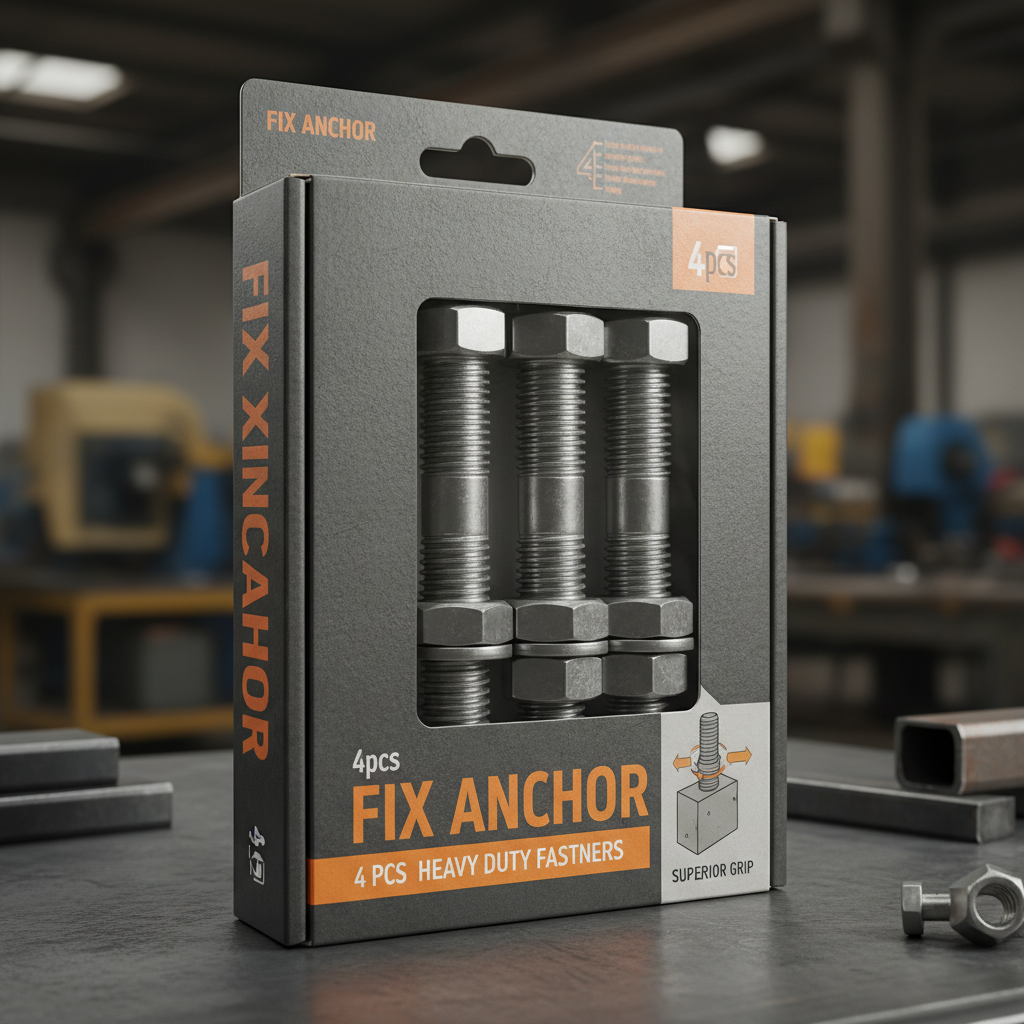
A 4pcs fix anchor, commonly used in construction and DIY projects, is a fastening device designed to securely attach objects to a base material like concrete, brick, or stone. Unlike traditional screws that rely on the strength of the base material alone, fix anchors expand or wedge themselves within the hole, creating a strong and reliable connection. Typically, a 4pcs set offers a convenient package for multiple applications. These anchors consist of a body, an expansion mechanism (often a sleeve or cone), and a screw or bolt. When the screw is tightened, the expansion mechanism forces the anchor to grip the sides of the hole, creating a powerful clamping force. HBXZ Fastener provides a wide range of high-quality fix anchors to meet diverse project needs.
Key Highlights: Fix anchors provide a robust and reliable fastening solution, especially in materials where screws alone would not hold sufficiently. They distribute the load over a larger area, enhancing the stability and longevity of the connection.
Types of 4pcs Fix Anchors and Their Applications
Different types of 4pcs fix anchors cater to specific applications and material types. Some common varieties include:
- Sleeve Anchors: Ideal for concrete and brick, these anchors expand a sleeve as the screw is tightened.
- Wedge Anchors: Best suited for solid concrete, they use a wedge to create a secure hold.
- Frame Anchors: Designed for heavier loads and often used for structural applications.
- Chemical Anchors: Employ a resin to bond the anchor to the hole, providing exceptional strength in various materials.
Selecting the appropriate anchor type is crucial for ensuring the safety and integrity of your project. A sleeve anchor might be best for mounting shelving to a brick wall, while a wedge anchor would be more appropriate for securing a heavy beam to a concrete foundation.
Anchor Type Benefits:
• Sleeve Anchors: Versatile, suitable for various materials.
• Wedge Anchors: High strength, ideal for solid concrete.
• Frame Anchors: Designed for heavy loads and structural applications.
• Chemical Anchors: Exceptional bond strength, suitable for diverse materials.
4pcs Fix Anchor: Material Comparison
The material of the fix anchor significantly impacts its strength, durability, and corrosion resistance. Common materials include galvanized steel, stainless steel, and zinc-plated steel. Galvanized steel offers good corrosion resistance at a reasonable cost. Stainless steel provides superior corrosion protection, making it ideal for outdoor or harsh environments. Zinc-plated steel is a cost-effective option for indoor applications with minimal moisture exposure. Choosing the right material will prolong the life of the anchor and ensure the long-term integrity of your project.
Ensuring Correct Installation of 4pcs Fix Anchors
Proper installation is critical for maximizing the performance of fix anchors. Here are some key steps:
- Drill the Correct Hole Size: Use a drill bit that matches the anchor's diameter.
- Clean the Hole: Remove dust and debris to ensure a good grip.
- Insert the Anchor: Carefully insert the anchor into the hole.
- Tighten Securely: Tighten the screw or bolt to the recommended torque specification.
Always refer to the manufacturer's instructions for specific installation guidelines. Overtightening can damage the anchor or the base material, while undertightening can compromise the connection’s strength. HBXZ Fastener offers detailed installation guides for all its products.
Conclusion: The Importance of Quality Fix Anchors
Choosing the Right Fix Anchor for Your Needs
Investing in high-quality 4pcs fix anchor is essential for ensuring the safety, durability, and longevity of your projects. By understanding the different types, materials, and installation techniques, you can select the optimal fastening solution for your specific application. Don't compromise on quality – choose a trusted supplier like HBXZ Fastener for reliable and dependable performance.
Frequently Asked Questions (FAQs)
What size drill bit should I use for a specific fix anchor?
The correct drill bit size is crucial for a secure hold. Always refer to the manufacturer's specifications provided with the fix anchor. These specifications will clearly state the recommended drill bit diameter for optimal performance. Using the wrong size drill bit can lead to a weak connection or damage to the anchor or base material. It’s generally available on our website HBXZ Fastener's product pages.
Can fix anchors be reused?
Generally, it is not recommended to reuse fix anchors. Once an anchor has been expanded or set, its holding capacity is diminished. Attempting to reuse an anchor can compromise its structural integrity and lead to failure. For each new application, it's best to use a fresh, undamaged fix anchor to ensure a reliable and secure connection.
What safety precautions should I take when installing fix anchors?
Safety is paramount when installing fix anchors. Always wear appropriate safety glasses to protect your eyes from debris. Consider using ear protection when drilling into hard materials. Ensure the work area is well-ventilated, especially when working with concrete or masonry. Follow the manufacturer’s instructions carefully and use the correct tools for the job. If you're unsure about any aspect of the installation process, consult a qualified professional.
-
Guide to High Quality Stainless Steel Expansion FastenersNewsApr.16,2026
-
Plastic Expanding Nut Guide for Applications and BenefitsNewsApr.16,2026
-
High Efficiency Fastening Guide for Plastic Expansion RivetsNewsApr.16,2026
-
Ultimate Guide to Industrial Sheet Metal Expansion AnchorsNewsApr.16,2026
-
Guide to Choosing and Installing the Right Metal Expansion ScrewNewsApr.16,2026
-
Metal Expansion Nut Guide for Industrial Strength and StabilityNewsApr.16,2026