
Comprehensive Guide to Expansion Fasteners and Their Diverse Applications
Understanding Expansion Fasteners: A Comprehensive Guide
Expansion fasteners are crucial components in various construction and industrial applications, providing reliable anchoring solutions in diverse materials. These fasteners work by expanding within a hole, creating a secure grip. At HBXZ Fastener, we specialize in providing high-quality expansion fasteners tailored to meet your specific project needs. This article will explore the different types of expansion fasteners, their applications, installation best practices, and the advantages of choosing a reputable supplier. Selecting the right expansion fastener is vital for ensuring the structural integrity and safety of your projects.
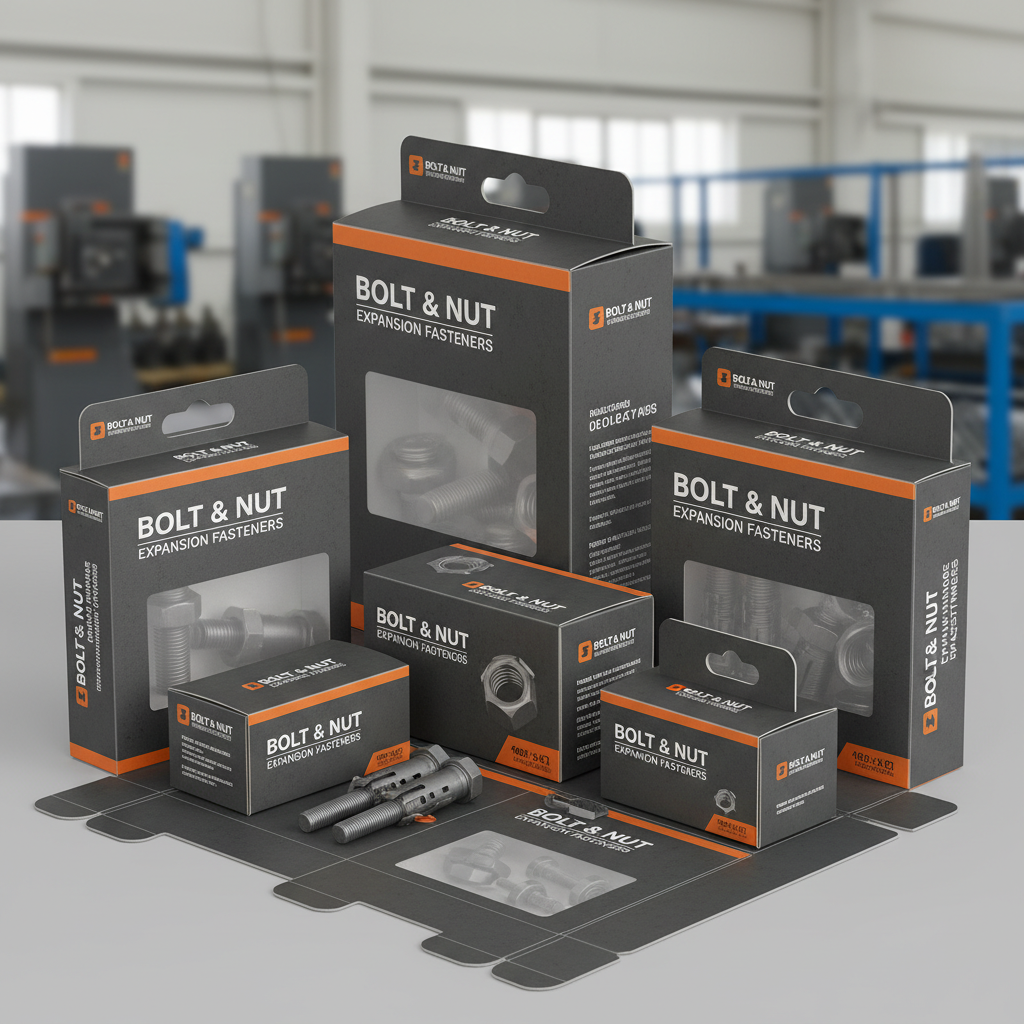
Types of Expansion Fasteners
There's a wide array of expansion fasteners available, each designed for specific applications and materials. Common types include sleeve anchors, wedge anchors, drop-in anchors, and self-drilling anchors. Sleeve anchors are suitable for light to medium duty applications in concrete and masonry. Wedge anchors offer higher holding power and are used in heavier-duty applications. Drop-in anchors are designed for pre-drilled holes and provide a flush finish. Self-drilling anchors are ideal for applications where pre-drilling is not feasible. Understanding the nuances of each type will allow you to select the most effective fastener for your project.
Key Takeaway: Choosing the right type of expansion fastener is essential for ensuring a secure and long-lasting connection. Consider the material being fastened, the load requirements, and the environment when making your selection.
Applications of Expansion Fasteners
Expansion fasteners are utilized in a vast range of applications across numerous industries. They're extensively used in construction for securing structural elements, anchoring machinery, and installing fixtures. Industries such as HVAC, plumbing, and electrical rely on these fasteners for mounting equipment and supporting piping. They are also prevalent in automotive, marine, and aerospace applications. From securing safety rails to anchoring signs, expansion fasteners provide a reliable and durable fastening solution.
Common Application Areas:
• Concrete Walls and Floors
• Brick and Block Masonry
• Structural Steel
• Automotive Assemblies
Comparing Different Types of Expansion Fasteners
Choosing the optimal expansion fastener requires understanding the key differences between various types. Here's a comparative overview:
Proper Installation Techniques for Expansion Fasteners
Correct installation is paramount to the performance of expansion fasteners. Ensure the drilled hole is the correct size and depth, as specified by the fastener manufacturer. Clean the hole thoroughly to remove dust and debris. For wedge anchors, use a torque wrench to ensure proper tightening. Always use appropriate safety gear, including eye protection and gloves. Incorrect installation can compromise the fastener's holding power and potentially lead to failure.
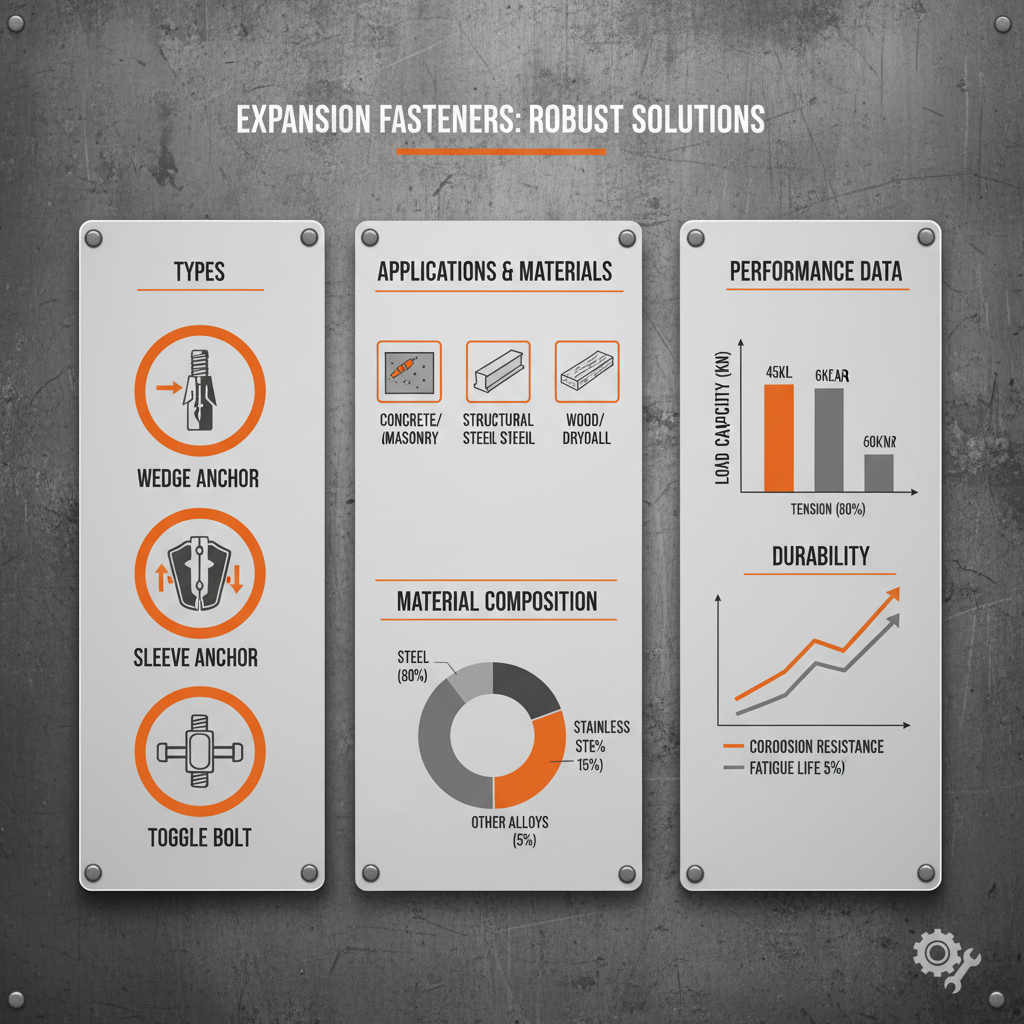
Why Choose HBXZ Fastener for Your Expansion Fastener Needs?
At HBXZ Fastener, we are committed to providing high-quality expansion fasteners and exceptional customer service. We offer a comprehensive range of fastener types, materials, and sizes to meet your specific requirements. Our experienced team can provide technical support and guidance to help you select the right fasteners for your project. We prioritize quality control and adhere to strict industry standards. Partner with us for reliable, durable, and cost-effective fastening solutions.
Conclusion: Secure Your Projects with Quality Expansion Fasteners
Investing in high-quality expansion fasteners from a trusted supplier like HBXZ Fastener is crucial for ensuring the safety, durability, and longevity of your projects. We provide a wide selection, expert advice, and a commitment to excellence. Choose HBXZ Fastener for reliable fastening solutions you can depend on.
Frequently Asked Questions (FAQs)
What is the difference between a sleeve anchor and a wedge anchor?
Sleeve anchors and wedge anchors both expand within a hole to create a secure hold, but they differ in their construction and load capacity. Sleeve anchors utilize a sleeve that expands as the bolt is tightened, offering light to medium holding power. Wedge anchors, on the other hand, feature a wedge-shaped bolt and a split sleeve that expands against the concrete, providing significantly higher load capacity. Wedge anchors are generally preferred for heavier-duty applications, while sleeve anchors are suitable for lighter loads.
Can expansion fasteners be used in cracked concrete?
Using expansion fasteners in cracked concrete requires careful consideration. While some expansion fasteners are designed to tolerate minor cracking, using them in severely cracked concrete can compromise their holding power and lead to failure. It's generally recommended to avoid using expansion fasteners in areas with significant cracks or to utilize alternative fastening methods, such as epoxy anchors, which are designed for use in cracked concrete. Consult with a structural engineer to determine the best fastening solution for your specific application.
What materials are expansion fasteners typically made from?
Expansion fasteners are commonly manufactured from carbon steel, stainless steel, and zinc-plated steel. Carbon steel is a cost-effective option for general applications, but it is susceptible to corrosion. Stainless steel offers excellent corrosion resistance and is ideal for outdoor or harsh environments. Zinc-plated steel provides a moderate level of corrosion resistance at a lower cost than stainless steel. The choice of material depends on the application and the environmental conditions.
How do I determine the correct size expansion fastener for my application?
Determining the correct size expansion fastener involves considering several factors, including the material being fastened, the load requirements, and the hole diameter. Consult the fastener manufacturer's specifications for recommended hole sizes and load capacities. Ensure the fastener's diameter and length are appropriate for the application. It's crucial to use the correct drill bit size to create a properly sized hole for the fastener to expand effectively. If unsure, consult with a fastening expert or structural engineer.
-
Ultimate Guide to High Strength Expanding Nuts for Sheet MetalNewsApr.09,2026
-
Industrial Guide to High Performance expanding nuts boltsNewsApr.09,2026
-
Guide to Heavy Duty Expanding Metal Wall Anchors for FasteningNewsApr.09,2026
-
Guide to Using Expanding Metal Hollow Wall Anchors for DrywallNewsApr.09,2026
-
Installation Guide for High Strength Expanding Metal Drywall AnchorsNewsApr.09,2026
-
Guide to Using the Right Expanding Hollow Wall Anchor for SafetyNewsApr.09,2026