
Guide to Heavy Duty Expanding Metal Wall Anchors for Fastening
The Ultimate Guide to Expanding Metal Wall Anchors for Heavy-Duty Fastening
When it comes to securing heavy fixtures to concrete, brick, or stone, the reliability of your hardware is non-negotiable. expanding metal wall anchors provide a high-strength solution by creating a powerful mechanical bond within the substrate. Whether you are installing industrial shelving, HVAC systems, or architectural cladding, understanding how these anchors work and how to choose the right one is critical for structural safety. In this guide, we will explore the technical advantages, installation best practices, and material specifications to ensure your projects remain secure for decades.
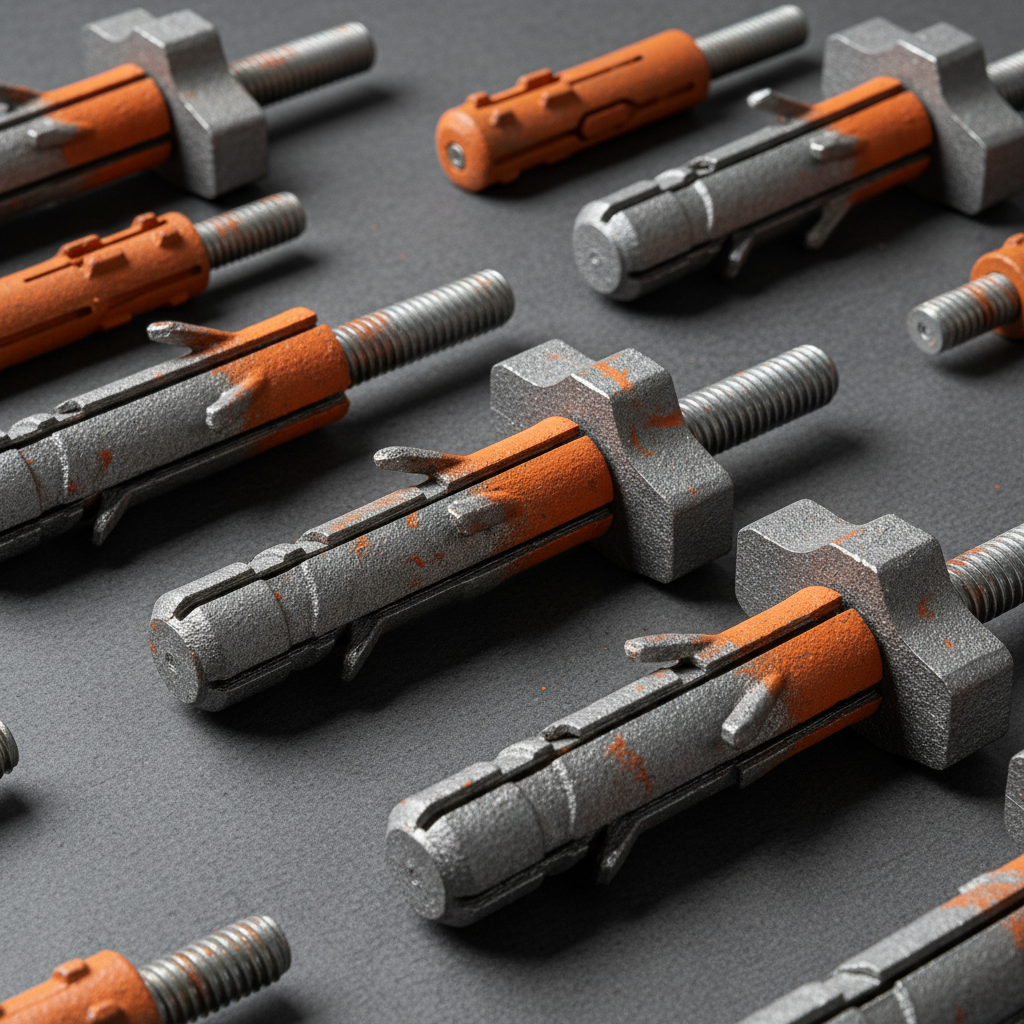
How Expanding Metal Wall Anchors Work
The fundamental principle behind expanding metal wall anchors is friction and mechanical interlocking. When a bolt or screw is tightened into the anchor, the expansion sleeve is forced outward against the walls of the pre-drilled hole. This creates an immense amount of radial pressure, locking the fastener firmly in place. Unlike adhesive anchors that rely on chemical bonding, expansion anchors provide immediate load-bearing capacity, making them ideal for fast-paced construction environments where waiting for curing times is not an option.
Pro Tip: Always ensure the drill hole is cleaned of dust and debris using compressed air; otherwise, the expansion mechanism may not seat properly, significantly reducing the load capacity.
Key Material Options for Expanding Metal Wall Anchors
Not all metals are created equal. Depending on the environment—whether it's a dry indoor warehouse or a salty coastal exterior—the material of your expanding metal wall anchors determines the lifespan of the installation. Carbon steel is the standard for indoor use, while zinc-plated options offer moderate corrosion resistance. For extreme conditions, 304 or 316 stainless steel is mandatory to prevent rust-jacking, which can crack the surrounding concrete over time.
Material Selection Guide:
• Zinc Plated: Ideal for interior dry walls and temporary fixtures.
• Galvanized Steel: Suitable for outdoor construction and moisture-prone areas.
• Stainless Steel: Essential for marine environments and chemical plants.
Comparing Expanding Metal Wall Anchors vs. Plastic Anchors
Choosing between metal and plastic often comes down to the weight of the load. While plastic plugs are sufficient for hanging a picture frame, expanding metal wall anchors are engineered for structural integrity. Metal anchors offer superior shear strength and pull-out resistance, ensuring that heavy machinery or structural supports do not shift or fail under stress.
Standard Specifications for Expanding Metal Wall Anchors
To achieve the rated load capacity, it is essential to follow the precise technical specifications provided by the manufacturer. Using the wrong drill bit size or over-tightening the bolt can lead to "spalling" (cracking the concrete), which compromises the entire anchor system. High-quality expanding metal wall anchors are typically categorized by their diameter and embedment depth.
Industrial Applications of Expanding Metal Wall Anchors
The versatility of expanding metal wall anchors makes them indispensable across several high-stakes industries. In commercial construction, they are used to secure curtain walls and heavy facade panels. In industrial plants, they support conveyor belts, heavy-duty piping, and electrical conduits. Even in civil engineering, these anchors are used for signage and safety barriers along highways. The ability to withstand significant shear forces makes them the gold standard for any application where failure is not an option.
Step-by-Step Installation for Maximum Hold
To ensure your expanding metal wall anchors perform at peak efficiency, follow this professional installation sequence. First, mark your holes precisely and drill using a hammer drill with a carbide-tipped bit. Second, blow out the dust—this is the most skipped but most important step. Third, insert the anchor until it is flush with the surface. Finally, place your fixture and tighten the bolt. Stop tightening once you feel significant resistance; over-torquing can strip the hole and lead to anchor failure.
Conclusion: Secure Your Future with Quality Fasteners
Choosing the right expanding metal wall anchors is more than just a hardware choice—it is a commitment to the safety and longevity of your structure. By selecting the appropriate material and following strict installation protocols, you can ensure that your fixtures remain immobile even under the heaviest loads. For professional-grade fastening solutions that meet global industrial standards, trust the expertise and quality of HBXZ Fastener.
Frequently Asked Questions (FAQs)
Can expanding metal wall anchors be removed once installed?
Removing an expansion anchor is more challenging than installing one because the sleeve is permanently expanded into the concrete. The most common method is to unscrew the bolt and then use a hammer and a punch to drive the remaining sleeve deeper into the wall, or to carefully drill through the center of the anchor to break it apart. If a flush finish is required, the anchor can be ground down with an angle grinder and the hole patched with epoxy or concrete filler.
What is the difference between a sleeve anchor and a wedge anchor?
While both are types of expanding metal wall anchors, they differ in design. A sleeve anchor consists of a sleeve that expands along its entire length, making it suitable for softer materials like brick or block. A wedge anchor has a small expanding clip at the bottom, which creates a very concentrated point of pressure. Wedge anchors are generally stronger but are best suited for solid, high-strength concrete where there is a lower risk of the material cracking.
How do I know if I have over-tightened my anchor?
Over-tightening occurs when you continue to apply torque after the anchor has fully expanded. Signs of over-tightening include the bolt spinning in place without tightening further (stripping), or the appearance of radial cracks in the concrete surrounding the anchor. To prevent this, we recommend using a torque wrench set to the manufacturer's specified limit. If you notice cracks, the anchor's load capacity is compromised, and it should be replaced in a new location.
Are expanding metal wall anchors suitable for hollow walls?
Standard expansion anchors are designed for solid substrates. In hollow walls (like cinder blocks with open cores), a standard wedge anchor may not have enough material to grip, potentially causing it to pull out. For hollow walls, you should use specifically designed "hollow wall anchors" or "toggle bolts" that expand behind the wall surface rather than against the side of a hole. You can explore a variety of specialized options on the HBXZ Fastener website.
-
Ultimate Guide to High Strength Expanding Nuts for Sheet MetalNewsApr.09,2026
-
Industrial Guide to High Performance expanding nuts boltsNewsApr.09,2026
-
Guide to Heavy Duty Expanding Metal Wall Anchors for FasteningNewsApr.09,2026
-
Guide to Using Expanding Metal Hollow Wall Anchors for DrywallNewsApr.09,2026
-
Installation Guide for High Strength Expanding Metal Drywall AnchorsNewsApr.09,2026
-
Guide to Using the Right Expanding Hollow Wall Anchor for SafetyNewsApr.09,2026