
Installation Guide for High Strength Expanding Metal Drywall Anchors
Mastering Installations with Expanding Metal Drywall Anchors
When it comes to securing fixtures on hollow walls, the choice of hardware can mean the difference between a professional finish and a collapsed shelf. expanding metal drywall anchors offer a robust and reliable solution for homeowners and contractors alike. Unlike plastic alternatives, these anchors provide superior grip and load-bearing capacity by expanding behind the drywall panel to distribute weight evenly. In this guide, we will explore the technical advantages, installation methods, and key specifications of these essential fasteners to ensure your next project is built to last.
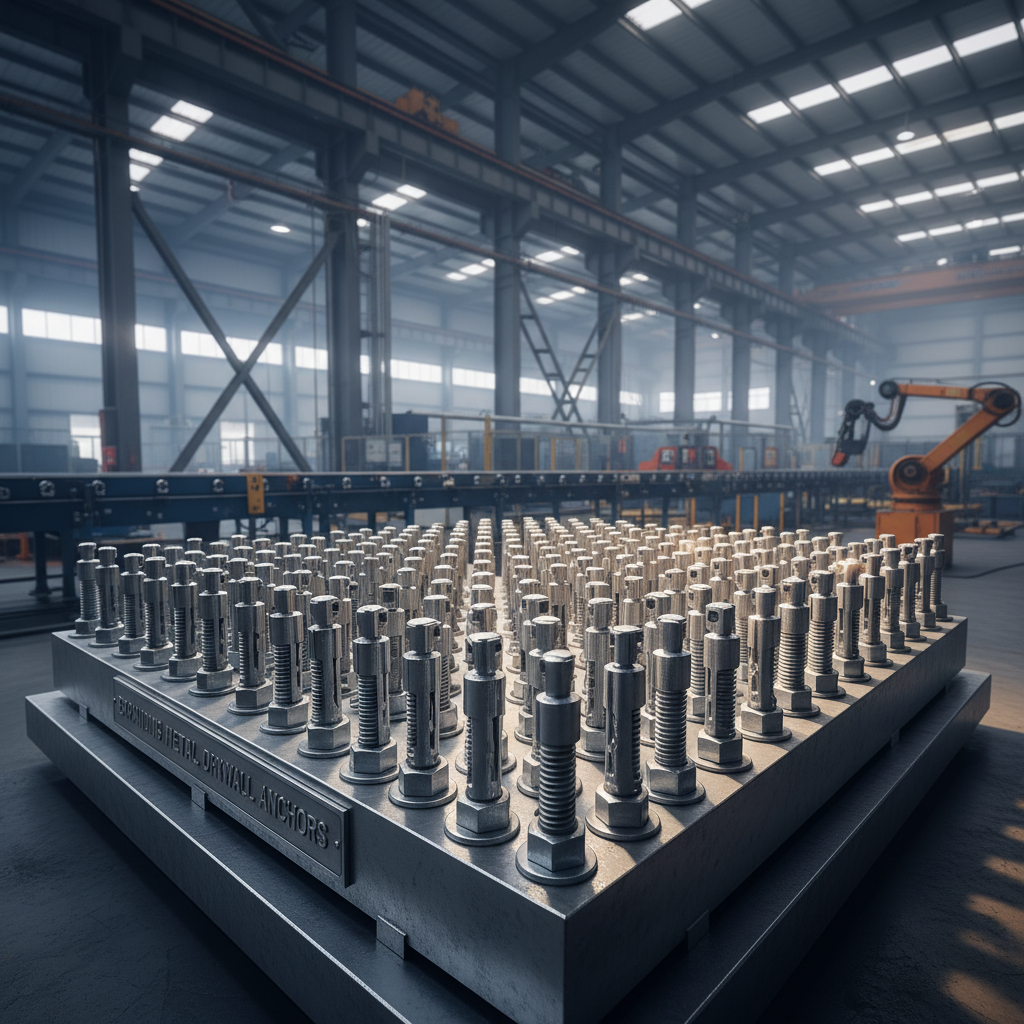
How Expanding Metal Drywall Anchors Work
The mechanics of expanding metal drywall anchors are based on the principle of mechanical expansion. When a screw is driven into the anchor, the metal sleeve is forced to expand or "mushroom" against the back of the gypsum board. This creates a wide surface area of contact, preventing the fastener from pulling through the fragile drywall core. This mechanism is particularly effective for medium to heavy-duty loads, providing a level of security that simple plastic plugs cannot match, especially in high-traffic areas of a home or office.
Pro Tip: Always ensure you use the correct drill bit size. An oversized hole will reduce the friction required for the anchor to expand effectively, potentially compromising the load capacity.
Comparing Metal vs. Plastic Anchors
Choosing between materials is a critical step in any construction project. While plastic anchors are inexpensive and suitable for light frames, expanding metal drywall anchors are engineered for durability and strength. Metal anchors are less likely to crack under tension and offer significantly higher shear strength. This makes them the preferred choice for installing televisions, heavy mirrors, or cabinetry where safety is a primary concern. The long-term stability of metal ensures that the fixture remains flush against the wall without sagging over time.
Installation Guide for Expanding Metal Drywall Anchors
Achieving a secure hold requires a systematic approach. First, identify the location of your fixture and mark the holes. If you are using self-drilling expanding metal drywall anchors, you can drive the anchor directly into the drywall with a screwdriver. For traditional expanders, drill a pilot hole based on the anchor's diameter. Insert the anchor until it is flush with the wall surface. Finally, drive the screw through your fixture and into the anchor. As the screw enters, the anchor will expand, locking it firmly in place. Avoid over-tightening, as this can strip the drywall core and reduce the anchor's effectiveness.
Versatile Applications Across Different Environments
The adaptability of expanding metal drywall anchors makes them indispensable across various settings. In residential interiors, they are used for hanging floating shelves, towel bars in bathrooms, and heavy artwork. In commercial spaces, they support acoustic panels and office signage. Because they are often coated in zinc or other anti-corrosive materials, they perform well in humid environments where traditional steel might rust. Whether you are upgrading a kitchen or fitting out a retail store, these anchors provide the structural confidence needed for professional-grade installations.
Technical Specifications of Expanding Metal Drywall Anchors
Understanding the technical parameters helps in selecting the right size for your specific load. Most expanding metal drywall anchors are manufactured from carbon steel or zinc-plated alloys to ensure a balance between strength and corrosion resistance. The load capacity typically varies based on the diameter of the anchor and the thickness of the drywall (e.g., 1/2 inch vs 5/8 inch). Below is a standard specification table for common sizes found in industrial applications:
Conclusion: Secure Your Space with Precision
Using expanding metal drywall anchors is the most efficient way to ensure that your wall-mounted fixtures remain stable and safe. By combining high-strength materials with a clever expansion design, these fasteners eliminate the anxiety associated with hollow wall installations. Whether you are a DIY enthusiast or a professional builder, investing in quality metal anchors ensures a long-lasting result and a professional finish. Elevate your installation standards by choosing the right fastener for every job.
Frequently Asked Questions (FAQs)
Can I remove expanding metal drywall anchors without damaging the wall?
Removing these anchors is more challenging than removing plastic ones because they are designed to grip the wall tightly. To remove them with minimal damage, you can try to carefully unscrew the bolt and then use needle-nose pliers to pull the anchor out. However, since the metal has expanded behind the drywall, the most common method is to push the anchor further into the wall cavity or use a utility knife to cut the anchor head flush with the wall and then patch the hole with spackle. Always sand the area before painting for a seamless finish.
What is the weight limit for expanding metal drywall anchors?
The weight limit varies significantly based on the size of the anchor and the condition of the drywall. As shown in our specifications table, small anchors can typically handle up to 25 lbs, while larger industrial sizes can support up to 100 lbs or more. It is important to remember that these are "pull-out" ratings. For "shear" loads (weight pulling downward), the capacity is generally higher. However, we always recommend distributing the load across multiple anchors to ensure a safety margin and prevent the drywall itself from failing.
Are these anchors suitable for all types of walls?
Expanding metal drywall anchors are specifically designed for hollow walls, such as those made of gypsum board (drywall) or plasterboard. They are not suitable for solid concrete, brick, or solid wood, as the anchor requires a hollow space behind the surface to expand. For solid materials, you should use expansion bolts or concrete screws. If you are unsure of your wall type, a simple drill test or a stud finder can help you determine if the area is hollow or solid. For more specialized fastening solutions, visit the HBXZ Fastener website.
Do I need a drill for self-drilling metal anchors?
One of the biggest advantages of self-drilling expanding metal drywall anchors is that they do not require a pre-drilled pilot hole. They feature a sharp, threaded tip that cuts through the drywall as you drive them in with a Phillips head screwdriver. This significantly speeds up the installation process and reduces the mess created by drywall dust. However, if you encounter a particularly hard knot or a metal stud, a pilot hole may still be necessary to avoid stripping the head of the anchor.
-
Ultimate Guide to High Strength Expanding Nuts for Sheet MetalNewsApr.09,2026
-
Industrial Guide to High Performance expanding nuts boltsNewsApr.09,2026
-
Guide to Heavy Duty Expanding Metal Wall Anchors for FasteningNewsApr.09,2026
-
Guide to Using Expanding Metal Hollow Wall Anchors for DrywallNewsApr.09,2026
-
Installation Guide for High Strength Expanding Metal Drywall AnchorsNewsApr.09,2026
-
Guide to Using the Right Expanding Hollow Wall Anchor for SafetyNewsApr.09,2026