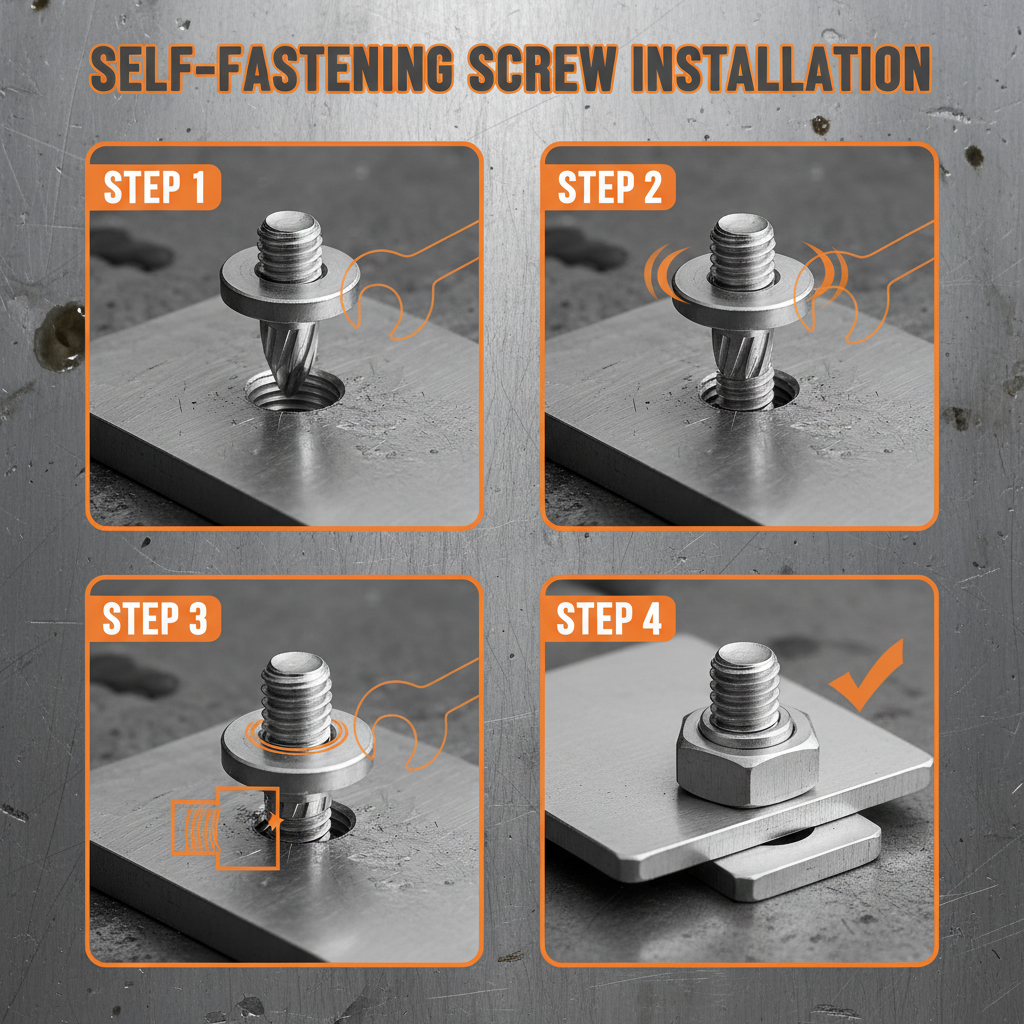
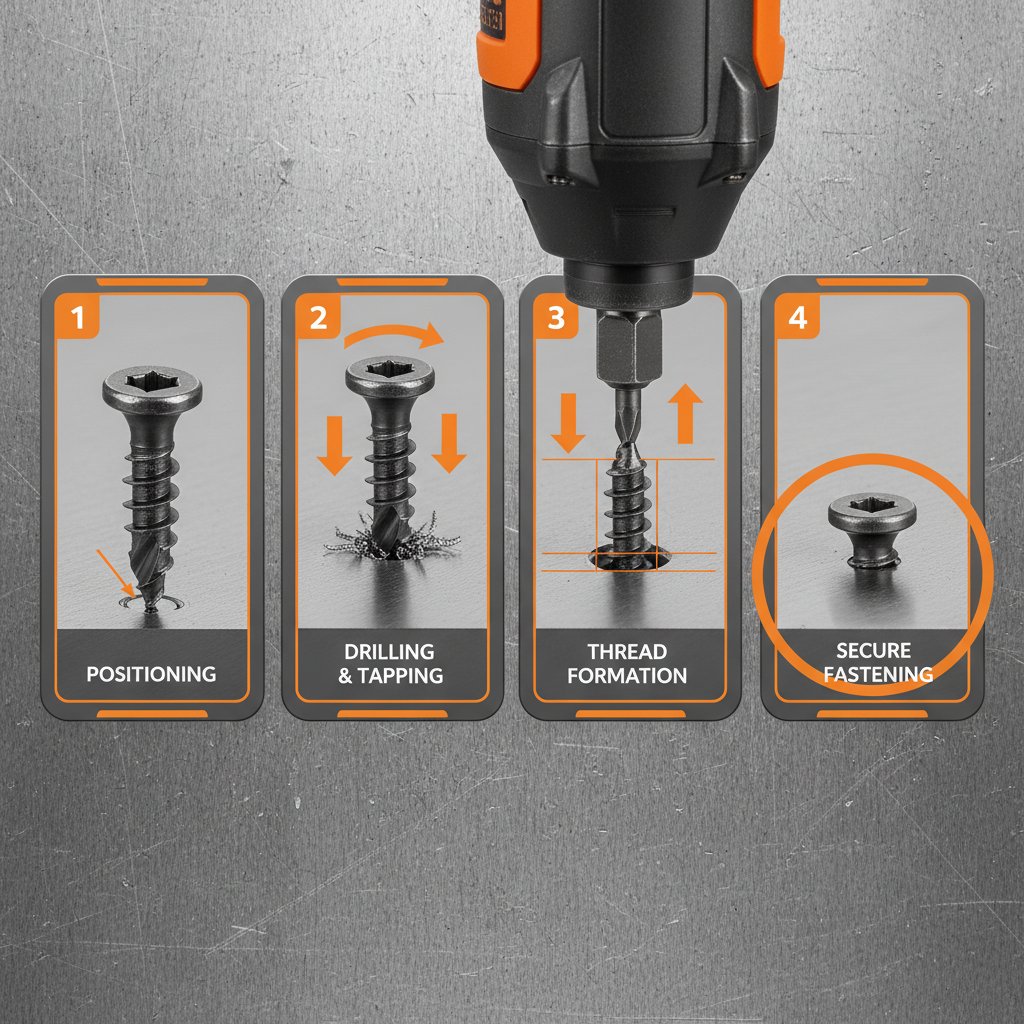
Stainless steel self drilling screws for metal are essential fasteners gaining prominence across numerous industries. These screws combine drilling and fastening into a single operation, streamlining installation processes and reducing project timelines. Their corrosion resistance, stemming from the stainless steel composition, makes them ideal for both indoor and outdoor applications, particularly in environments exposed to moisture or harsh chemicals. Understanding their properties and applications is crucial for engineers, construction professionals, and manufacturers seeking durable and efficient fastening solutions.
The global demand for efficient construction and infrastructure development fuels the growth of the stainless steel self drilling screws for metal market. According to recent industry reports, the global fastener market is projected to reach \$85.7 billion by 2028, with stainless steel fasteners representing a significant share. This growth is driven by the increasing adoption of these screws in sectors like construction, automotive, and marine industries. Addressing the challenges of traditional fastening methods – such as pre-drilling and separate screw installation – these screws offer a cost-effective and time-saving alternative.
The versatility of stainless steel self drilling screws for metal extends beyond simple joining. Their ability to penetrate various metal thicknesses without requiring pre-drilled holes opens possibilities for applications previously hampered by complex installation procedures. This is increasingly important in prefabricated construction, modular building, and rapid deployment scenarios where efficiency is paramount.
Introduction to stainless steel self drilling screws for metal
Stainless steel self drilling screws for metal represent a significant advancement in fastening technology, offering a streamlined solution for joining metal components. They are specifically designed to create their own holes while simultaneously fastening materials together, eliminating the need for separate drilling operations. This characteristic drastically reduces assembly time and labor costs, making them a popular choice in various industrial and construction applications.
The inherent corrosion resistance of stainless steel is a key benefit of using these screws, particularly in outdoor or harsh environments. Unlike carbon steel screws, they are less susceptible to rust and degradation, ensuring long-term durability and structural integrity. This property extends the service life of assembled structures, reducing maintenance requirements and replacement costs.
Global Relevance and Industry Context
The demand for stainless steel self drilling screws for metal is inextricably linked to the global growth of industries such as construction, automotive, shipbuilding, and infrastructure development. The United Nations estimates that the world population will reach 9.7 billion by 2050, driving significant demand for housing, transportation, and infrastructure. Efficient and cost-effective fastening solutions are critical for meeting this demand, and these screws play a vital role.
The rise of prefabricated construction and modular building techniques further elevates the importance of these fasteners. These methods require fast, reliable, and accurate assembly, characteristics perfectly aligned with the capabilities of stainless steel self drilling screws for metal. The automotive industry, constantly seeking weight reduction and improved structural integrity, also utilizes these screws in various applications.
Furthermore, growing awareness of sustainability and the need to minimize waste contributes to the demand for efficient fastening solutions. By eliminating the need for pre-drilling, these screws reduce material waste and energy consumption associated with separate drilling operations, aligning with environmentally conscious building practices.
Defining Stainless Steel Self Drilling Screws for Metal
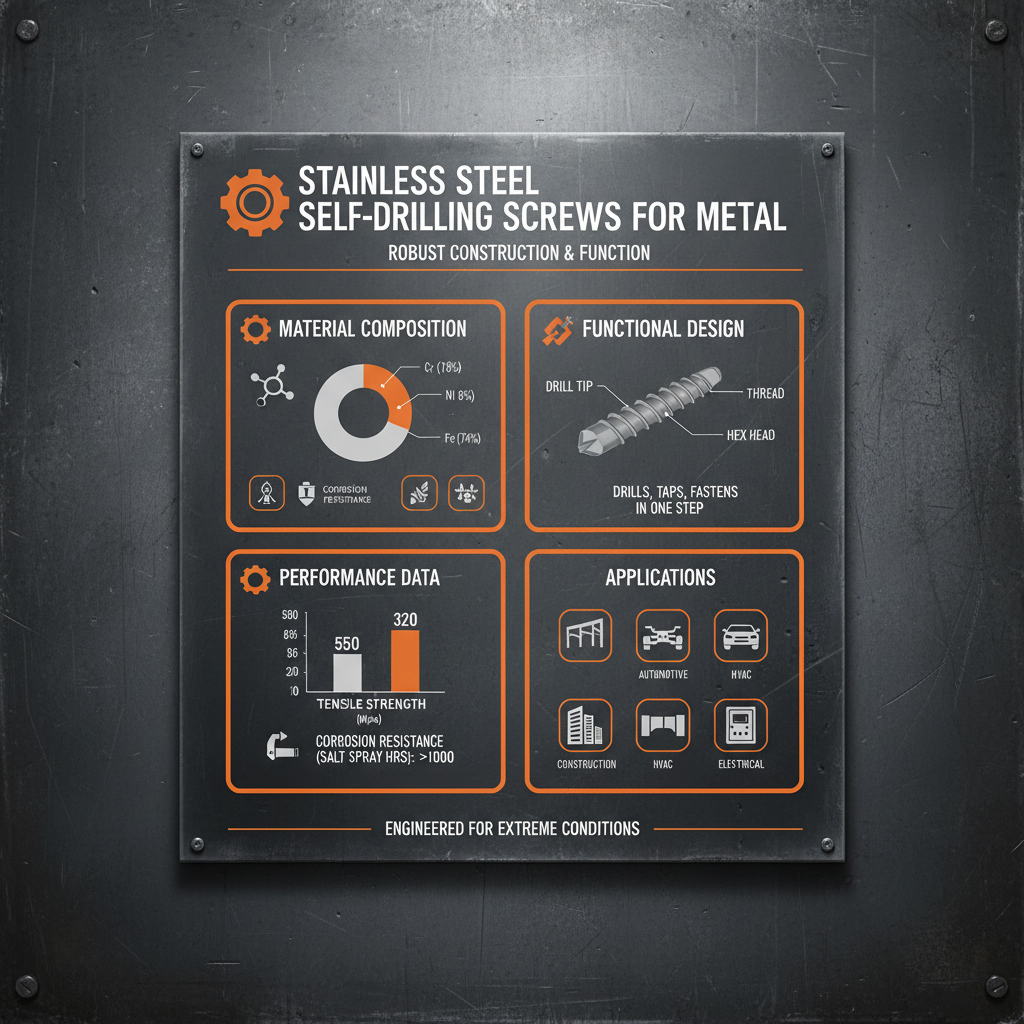
Stainless steel self drilling screws for metal are a type of fastener designed to tap their own threads as they are driven into metal substrates. Unlike conventional screws that require pre-drilled holes, these screws feature a hardened drill-bit-like point that creates a hole and forms mating threads in a single operation. They are typically manufactured from various grades of stainless steel, such as 304, 316, and 410, each offering different levels of corrosion resistance and strength.
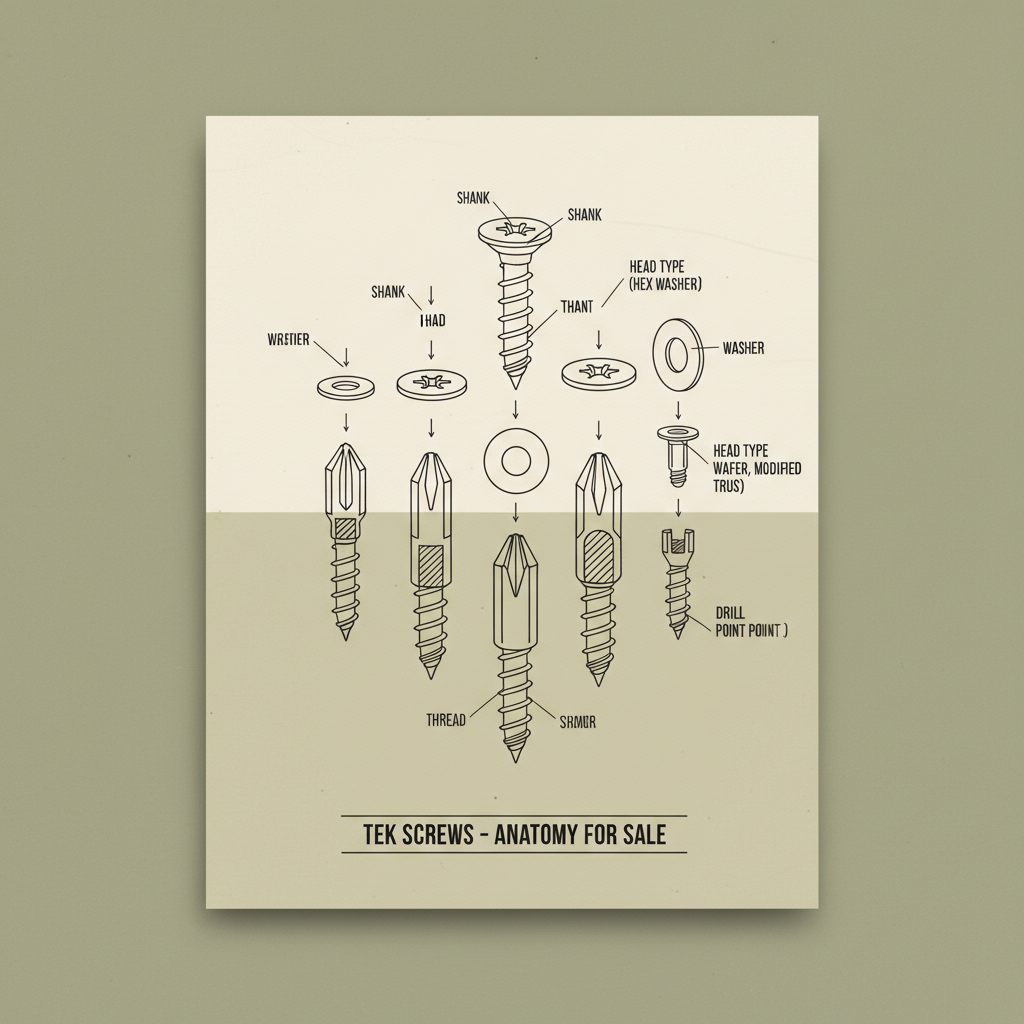
Their design incorporates several key features: a specialized drill point geometry for efficient hole creation, thread-forming flutes to displace material and create strong threads, and a screw head designed for secure driving. The material selection and manufacturing process directly influence the screw’s performance characteristics, including its ability to penetrate different metal thicknesses, its holding power, and its resistance to corrosion.
These screws are fundamental to modern manufacturing and construction, addressing a critical need for rapid and reliable metal joining. They represent a significant advancement over traditional fastening methods, simplifying assembly processes, reducing costs, and improving structural integrity. Their application spans diverse industries, reflecting their versatility and adaptability.
Key Factors & Core Components
Several key factors contribute to the effectiveness of stainless steel self drilling screws for metal. Material Grade is paramount; selecting the appropriate grade of stainless steel (304, 316, 410) depends on the environmental conditions and corrosion resistance requirements of the application. Higher grades like 316 offer superior resistance to chloride corrosion, making them ideal for marine environments.
Point Geometry is another crucial factor. The angle and sharpness of the drill point determine the screw’s ability to penetrate different metal thicknesses and create clean, accurate holes. Different point styles are available for specific metal types and thicknesses.
Performance Characteristics of Stainless Steel Self Drilling Screws for Metal
Global Applications & Use Cases
Stainless steel self drilling screws for metal find widespread application across diverse industries globally. In the construction sector, they are extensively used in steel framing, roofing, and cladding systems, offering a secure and weather-resistant fastening solution. The automotive industry utilizes them for assembling body panels, chassis components, and interior trim, benefiting from their lightweight and corrosion-resistant properties.
The marine industry relies heavily on these screws for boat construction, repair, and maintenance, where exposure to saltwater necessitates high corrosion resistance. In post-disaster relief operations, their ease of installation and ability to join metal components without pre-drilling make them invaluable for constructing temporary shelters and infrastructure.
Advantages & Long-Term Value
The advantages of utilizing stainless steel self drilling screws for metal extend beyond immediate cost savings. While the initial cost may be slightly higher than carbon steel alternatives, their longevity and reduced maintenance requirements translate into significant long-term value. The elimination of pre-drilling saves time and labor, lowering installation costs and increasing project efficiency.
Furthermore, their corrosion resistance minimizes the risk of structural failures and costly repairs, ensuring the safety and durability of assembled structures. Choosing these screws demonstrates a commitment to quality, reliability, and sustainability, enhancing the reputation of the project and the professionals involved.
Future Trends & Innovations
Future trends in stainless steel self drilling screws for metal are focused on enhancing performance and sustainability. Research and development efforts are centered on developing new stainless steel alloys with improved corrosion resistance and strength, as well as optimizing screw designs for specific applications.
The integration of digital technologies, such as smart fasteners with embedded sensors, is also gaining traction. These sensors can monitor tightening torque, detect corrosion, and provide real-time data on structural integrity, enabling proactive maintenance and preventing catastrophic failures. Furthermore, advancements in automated screw driving systems are increasing installation efficiency and precision.
Sustainable manufacturing practices and the use of recycled materials are becoming increasingly important, driven by growing environmental concerns. Manufacturers are exploring eco-friendly coating options and reducing waste throughout the production process, aligning with the principles of a circular economy.
FAQS
The tensile strength of stainless steel self drilling screws for metal varies depending on the grade of stainless steel used. Generally, Grade 304 offers a tensile strength of around 70,000 PSI, while Grade 316 can reach 80,000 PSI. This strength is crucial for ensuring the structural integrity of the fastened assembly, particularly in applications subjected to significant loads or stresses. Proper selection based on application requirements is essential.
While stainless steel self drilling screws for metal are primarily designed for steel, they can sometimes be used in aluminum, but with caution. Aluminum is a softer metal, and using screws designed for steel can potentially damage the threads or cause the aluminum to deform. It's recommended to use screws specifically designed for aluminum or to pre-tap the aluminum with appropriate threads before installation.
For optimal performance, use a drill driver with adjustable torque settings. Start with a low torque setting and gradually increase it until the screw drives smoothly without stripping the threads. Ensure the screw is perpendicular to the surface and apply consistent pressure. Avoid over-tightening, as this can damage the screw or the metal substrate. Using the correct drill bit speed is also crucial.
The screw length should be determined by the total thickness of the materials being joined, plus the length needed to engage adequately with the base material. A general rule of thumb is to have at least half the screw length threadedly engaged in the base material for maximum holding power. Always consider any coatings or spacers that may increase the overall thickness.
Both 304 and 316 stainless steel offer excellent corrosion resistance, but 316 contains molybdenum, which significantly enhances its resistance to chloride corrosion—making it ideal for marine environments, coastal areas, and applications exposed to de-icing salts. 304 is suitable for general-purpose applications where chloride exposure is minimal, while 316 provides superior long-term durability in harsh conditions.
Some grades of stainless steel, such as 304, are not fully non-magnetic, while others, like 316, exhibit very low magnetic permeability. The magnetic properties depend on the specific alloy composition and manufacturing processes. For applications where non-magnetism is critical, it's important to verify the magnetic properties of the specific screw being used.
Conclusion
Stainless steel self drilling screws for metal offer a compelling combination of efficiency, durability, and corrosion resistance, making them indispensable fasteners across a wide range of industries. Their ability to streamline installation processes, reduce costs, and enhance structural integrity positions them as a superior alternative to traditional fastening methods. As industries continue to embrace prefabricated construction, modular building, and sustainable practices, the demand for these screws will undoubtedly continue to grow.
Looking ahead, ongoing innovations in materials science and manufacturing technologies will further enhance the performance and sustainability of stainless steel self drilling screws for metal. Exploring smart fastener technologies and promoting the use of recycled materials will be crucial for addressing future challenges and maximizing their long-term value. For reliable and high-quality stainless steel self drilling screws for metal, visit our website today!